
These role pages are strong internal hubs for understanding who uses this tool, which workflows it supports and how nearby professions evaluate similar products.
imagine.bo is commonly evaluated by teams in CEO, Software Development Manager, Project Management Officer. Use the role pages below to compare adjacent workflows, understand real use cases and decide whether this tool belongs in your stack.
Select your score (1-10):
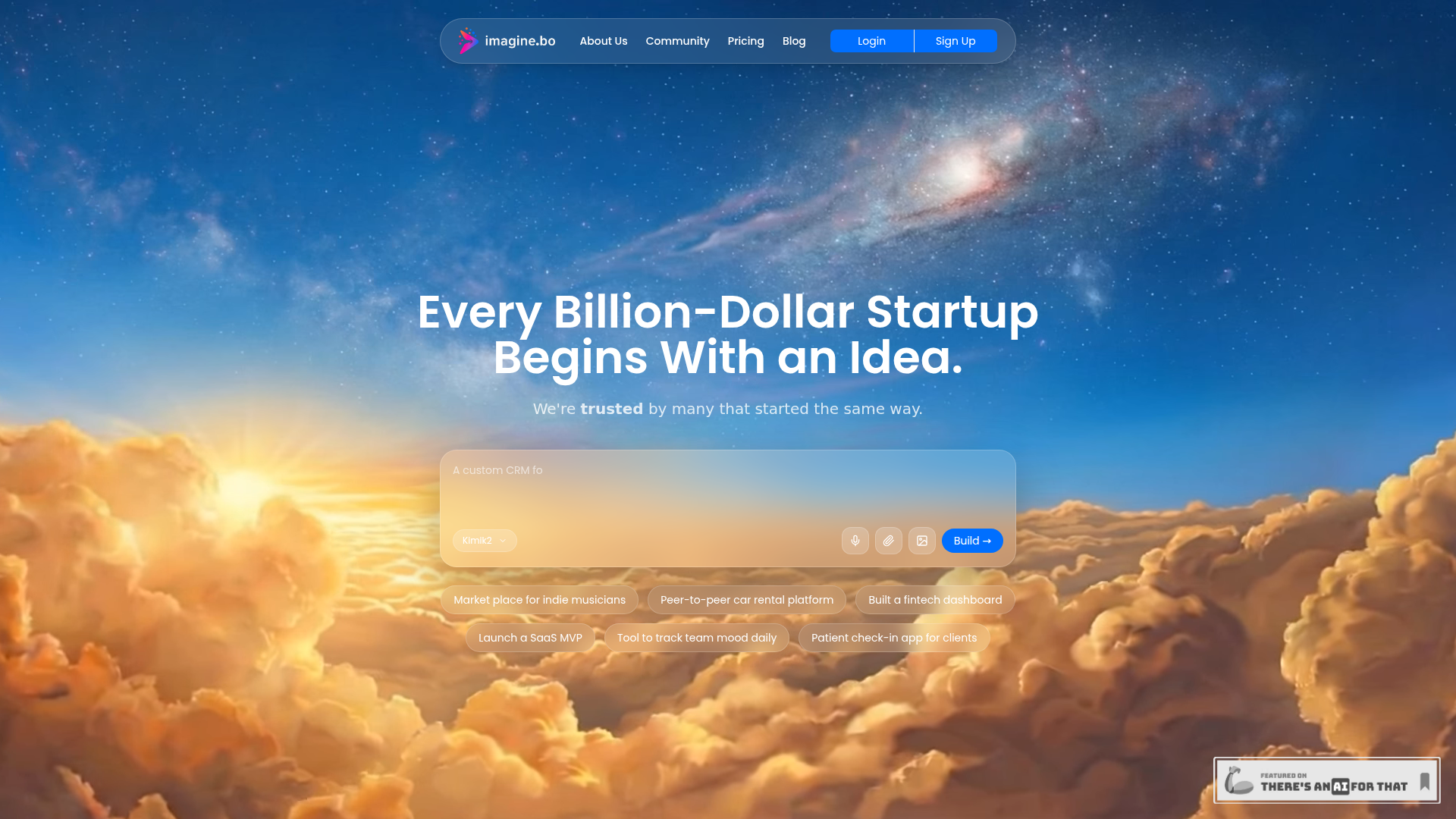
Imagine.bo is an AI-assisted app and website builder that turns a plain-English product idea into a deployed digital product. Based on the page, it targets founders, indie builders, small businesses, and teams that want to launch storefronts, MVPs, or more functional web apps without writing code themselves.
Its core workflow is simple: describe the idea, let the platform generate the frontend, backend, database logic, tests, and deployment setup, and use human engineering support when edge cases or custom needs appear. The product appears positioned between no-code builders and agency-style development by combining automated generation with post-deployment infrastructure and expert involvement.
Imagine.bo could likely fit well into the OpenClaw ecosystem as a product-generation endpoint inside broader startup, operations, or vertical SaaS workflows. A likely use case would be an OpenClaw agent that takes market research, user personas, and feature requirements, then prepares structured build briefs for Imagine.bo to turn into landing pages, internal tools, or MVP apps. Another likely workflow is a launch agent that coordinates idea validation, app generation, deployment tracking, and post-launch support handoffs.
For agencies, venture studios, and internal innovation teams, this combination could compress the path from concept to usable software. OpenClaw skills could be built for founder intake, feature scoping, QA checklist generation, support knowledge-base drafting, or change-request management around Imagine.bo-built products. If these workflows are connected well, the practical impact would likely be a more automated product-ops model where non-technical teams can move from idea capture to deployed software with less coordination overhead, while still escalating to human engineers when needed.
Share this AI tool on your website or blog by copying and pasting the code below. The embedded widget will automatically update with the latest information.
<iframe src="https://aimyflow.com/ai/app-imagine-bo/embed" width="100%" height="400" frameborder="0"></iframe>
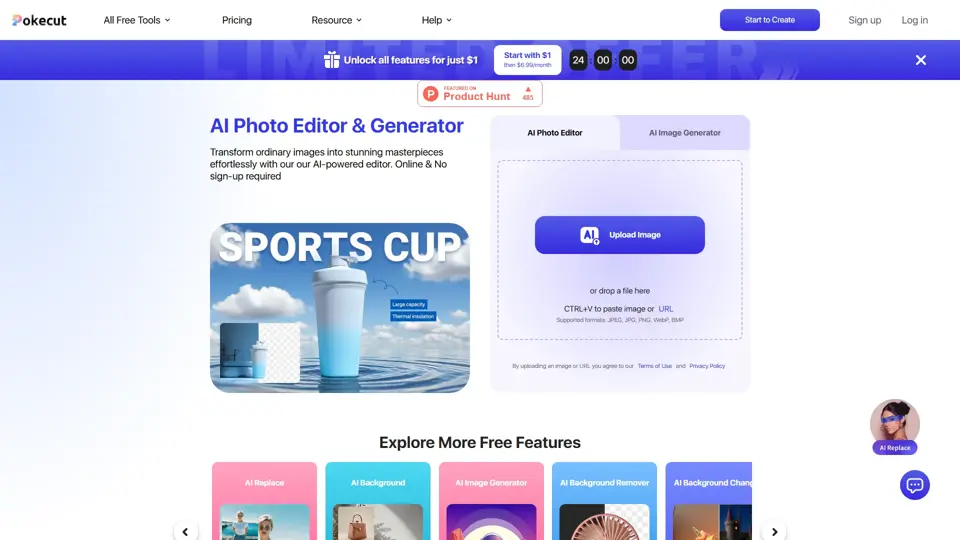
Pokecut is an AI photo editor that helps users remove backgrounds, enhance images, and generate visuals online, mainly for ecommerce sellers, marketers, and creators who need quick design-ready assets. It speeds up routine image production so visual teams can create polished content with less manual editing.
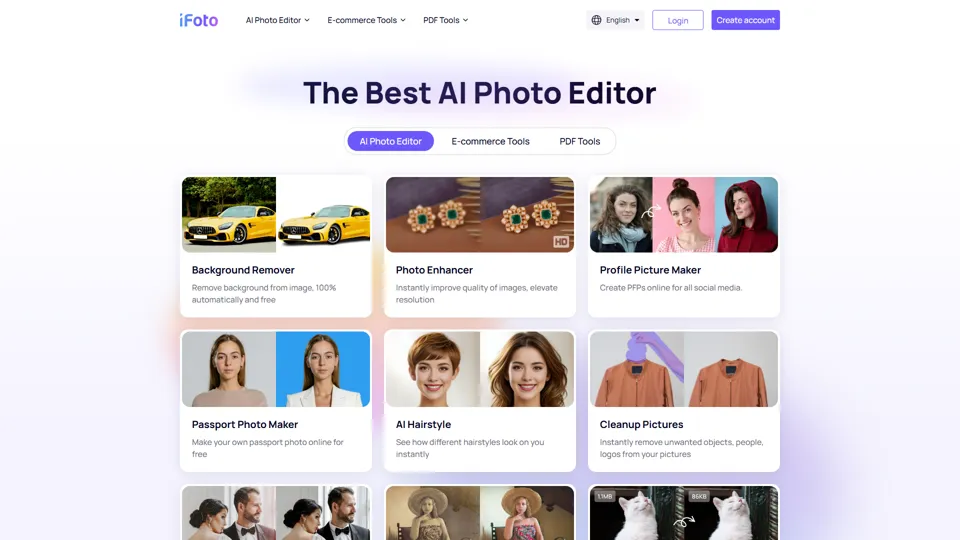
iFoto is an AI photo editing studio that helps users enhance images, change backgrounds, and create polished visuals online, mainly for eCommerce sellers, marketers, and content creators. It speeds up creative production for merchandising and marketing teams without requiring advanced design skills.
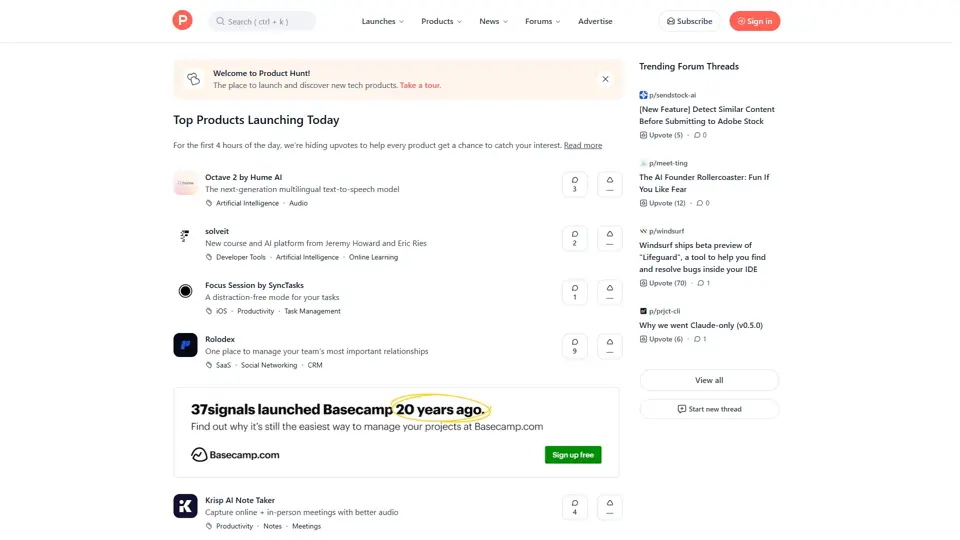
Product Hunt is a product discovery platform that helps users find, share, and discuss new technology products, mainly for founders, makers, investors, and early adopters. In the AI era, it gives product teams a fast feedback loop and a visible launch channel for new tools.
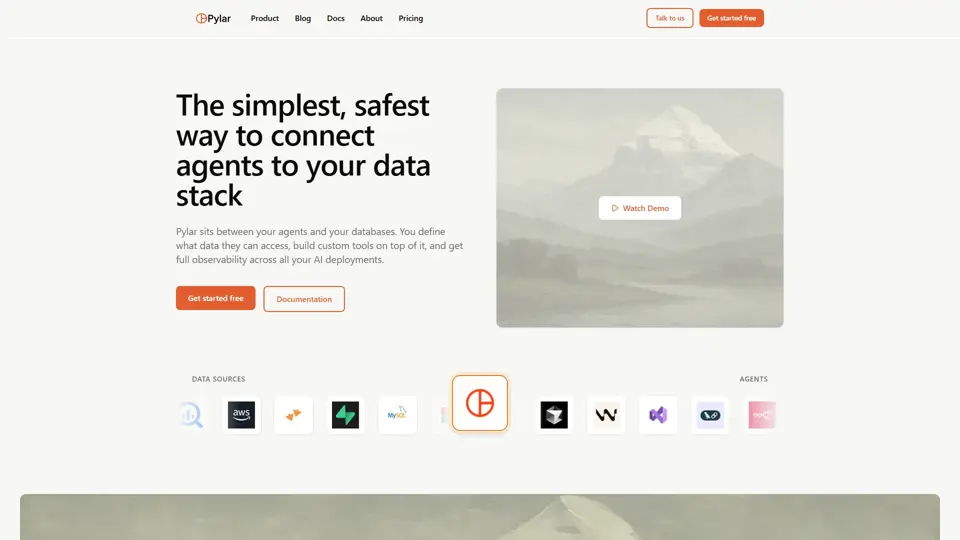
Pylar is a governed data access platform that helps users give AI agents secure access to structured data through controlled SQL views and MCP tools, mainly for data and engineering teams. It lets developers operationalize AI safely by balancing agent capability with governance and access control.
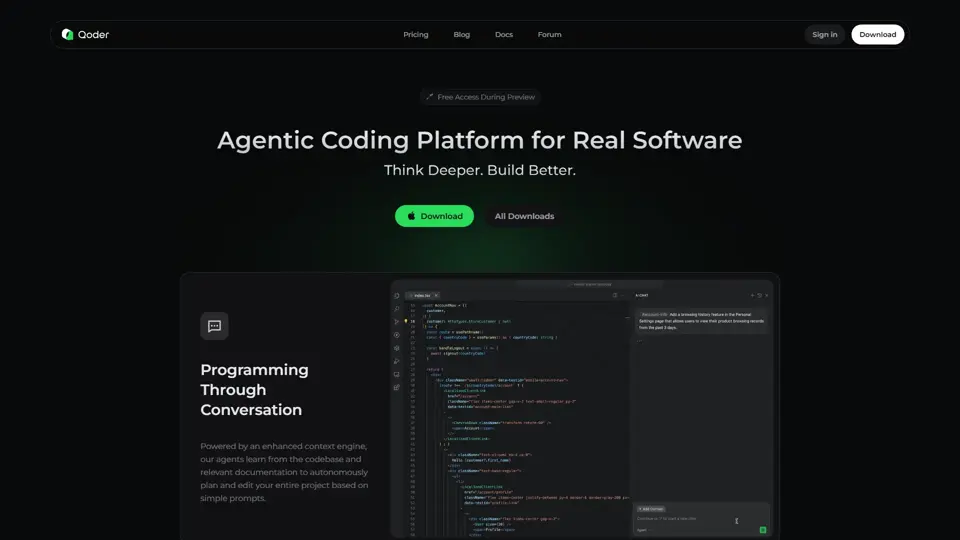
Qoder is an agentic coding platform that helps developers understand codebases and execute software tasks with AI agents, mainly for professional software engineers and development teams. It improves engineering throughput by combining strong code context with advanced models for more reliable task completion.
Bright Data for AI is a web data platform that helps AI teams search, crawl, extract, and collect structured real-time and training data from the web through APIs, remote browsers, datasets, and automation tools. For AI engineers, data scientists, and agent builders, it can reduce the effort of building web access and data acquisition pipelines so they can focus more on model behavior and application logic.
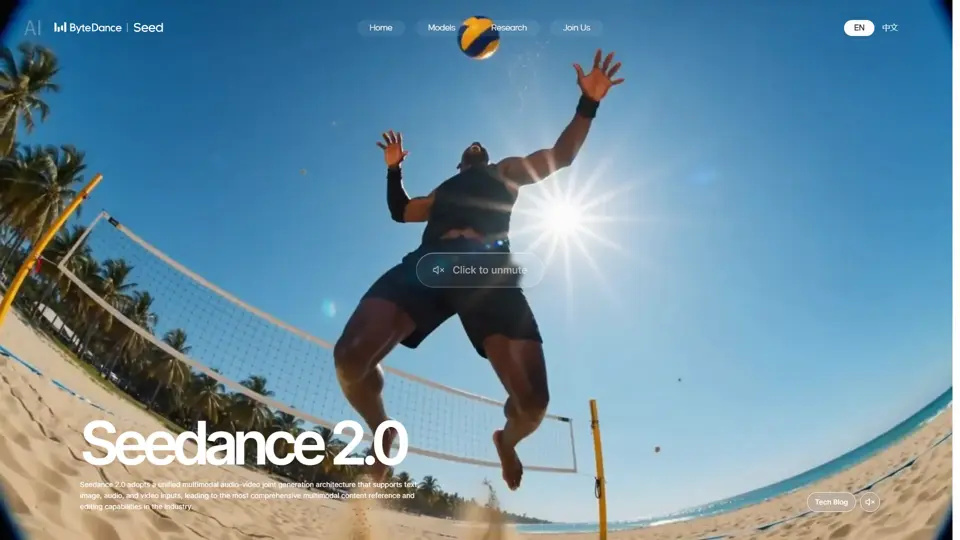
Seedance 2.0 is ByteDance's AI video generation model designed to create high-quality videos from prompts and multimodal inputs, mainly for creators, developers, and media teams. In the AI era, it helps visual content roles turn ideas into production-ready motion assets with far less manual editing effort.
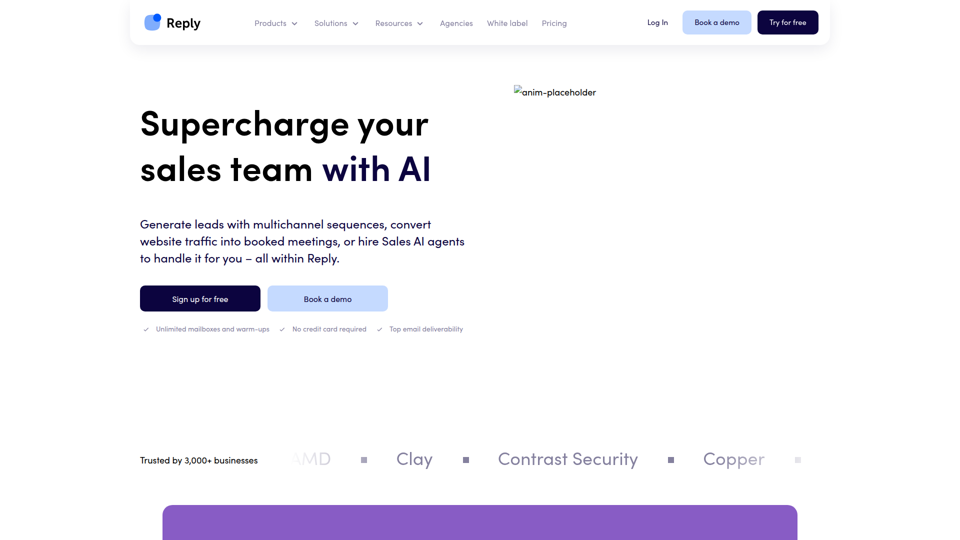
Reply.io is an AI sales outreach and cold email platform that helps sales teams, SDRs, and business development professionals find B2B leads, run multichannel outreach, and book meetings with automation, deliverability tools, and AI-assisted messaging. In AI-driven outbound workflows, it can reduce manual prospecting and follow-up work so revenue teams can spend more time qualifying opportunities and closing deals.