
BrainGrid | The AI Product Planner
Rate this Tool
Average Score
Total Votes
Select your score (1-10):
Detail Information
What
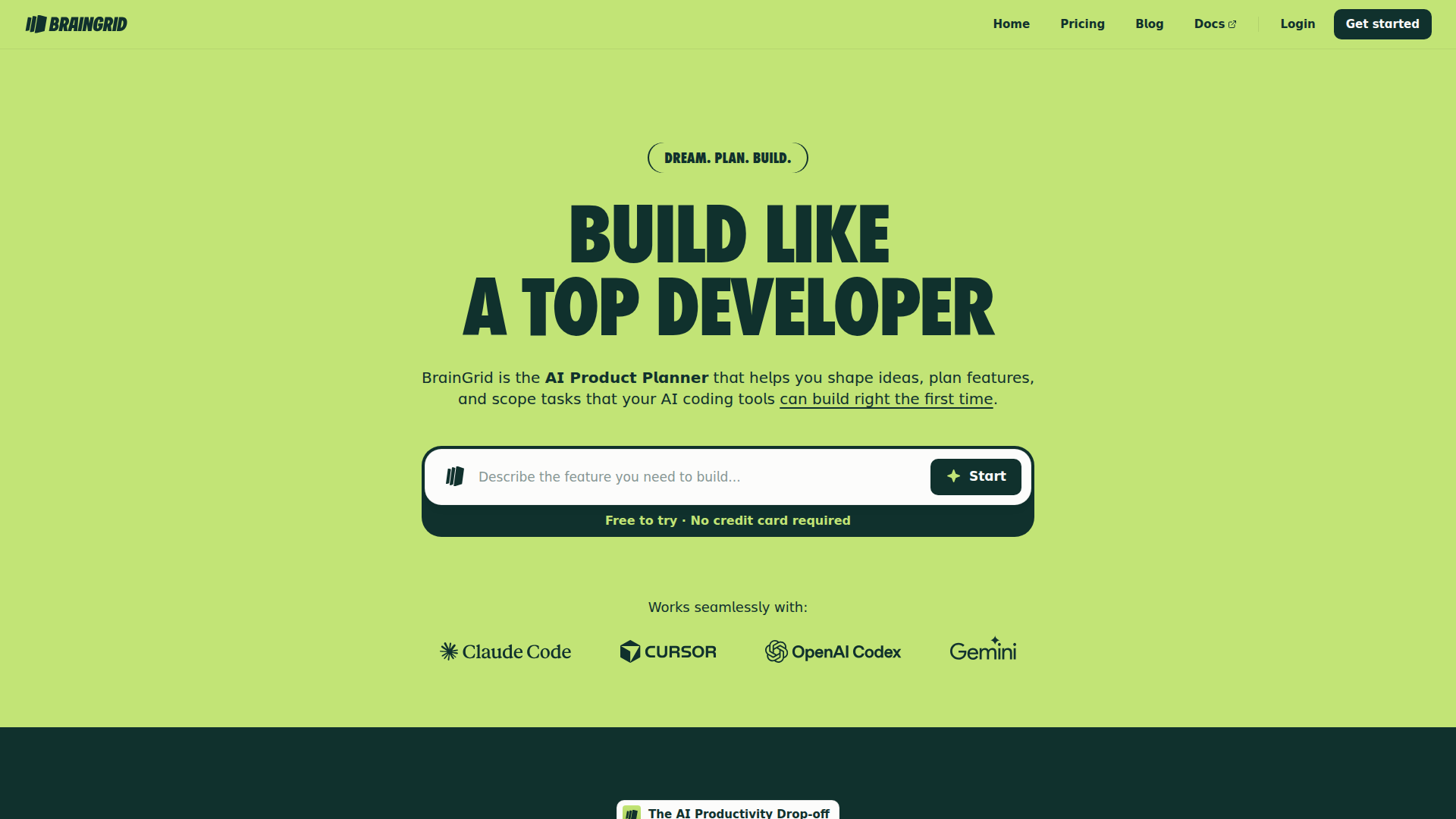
BrainGrid is an AI product planning tool designed to help people turn software ideas into clearer build plans before handing work to AI coding tools. Its core workflow centers on describing what needs to be built, answering clarifying questions, generating structured specifications, and breaking larger features into smaller implementation tasks.
The product appears aimed at AI builders, including non-technical founders and teams using tools such as Cursor, Claude Code, Codex, Windsurf, Lovable, or Replit. Based on the page, BrainGrid is positioned as an upstream planning layer for AI-assisted software development, focused on reducing ambiguity, surfacing edge cases, and improving the reliability of code-generation workflows beyond early prototypes.
Features
- Idea-to-spec generation: Converts product ideas, bug fixes, or feature requests into written specs with goals, context, architecture, edge cases, and acceptance criteria.
- Clarifying question workflow: Prompts users with smart questions to uncover constraints, hidden complexity, and assumptions before implementation begins.
- Feature scoping and prioritization: Helps define a first version and prioritize what is needed to make an app production-ready.
- Task decomposition for AI coding: Breaks large features into smaller structured tasks that AI coding agents can execute more autonomously.
- Agent-agnostic handoff: Supports sending tasks to coding tools such as Claude Code or Cursor through MCP, CLI, or copy-paste, which reduces tool lock-in.
- Planning support beyond MVP: Focuses on the transition from prototype to scalable product by addressing regressions, incomplete planning, and feature change risk.
Helpful Tips
- Evaluate this type of product based on the quality of its output artifacts, especially whether its specs and task breakdowns are detailed enough for your coding agent to execute consistently.
- Use it early in the build cycle, when requirements are still fluid, since the main value appears to come from exposing edge cases and constraints before coding starts.
- If multiple people contribute to product decisions, define a shared review process for generated specs and acceptance criteria to prevent planning drift.
- For teams using several AI coding tools, confirm how MCP, CLI, and copy-paste workflows fit into existing development habits, since the page suggests flexibility but does not detail orchestration features.
- Treat claims about faster delivery or fewer regressions as directional outcomes rather than guaranteed results, because the page provides limited methodological detail.
OpenClaw Skills
BrainGrid could fit well into the OpenClaw ecosystem as a planning and specification input layer for agentic build workflows. A likely use case would be an OpenClaw skill that ingests BrainGrid-generated specs, acceptance criteria, and task lists, then routes them to different coding, QA, documentation, or project-management agents. Since the page mentions MCP, CLI, and structured tasks, BrainGrid appears conceptually compatible with automation pipelines, though native OpenClaw integration is not stated.
A more advanced OpenClaw workflow could use BrainGrid outputs to coordinate a multi-agent product delivery loop: one agent refines requirements, another generates implementation tickets, another validates edge cases, and another monitors regressions after changes. For founders, product managers, or small software teams, that combination could shift AI coding from ad hoc prompting toward a more repeatable operating model where planning, execution, and verification are connected through structured artifacts rather than informal chat history.
Embed Code
Share this AI tool on your website or blog by copying and pasting the code below. The embedded widget will automatically update with the latest information.
<iframe src="https://aimyflow.com/ai/braingrid-ai/embed" width="100%" height="400" frameborder="0"></iframe>
Explore Similar Tools
Free AI Photo Editor: Edit & Generate Image Online | Pokecut
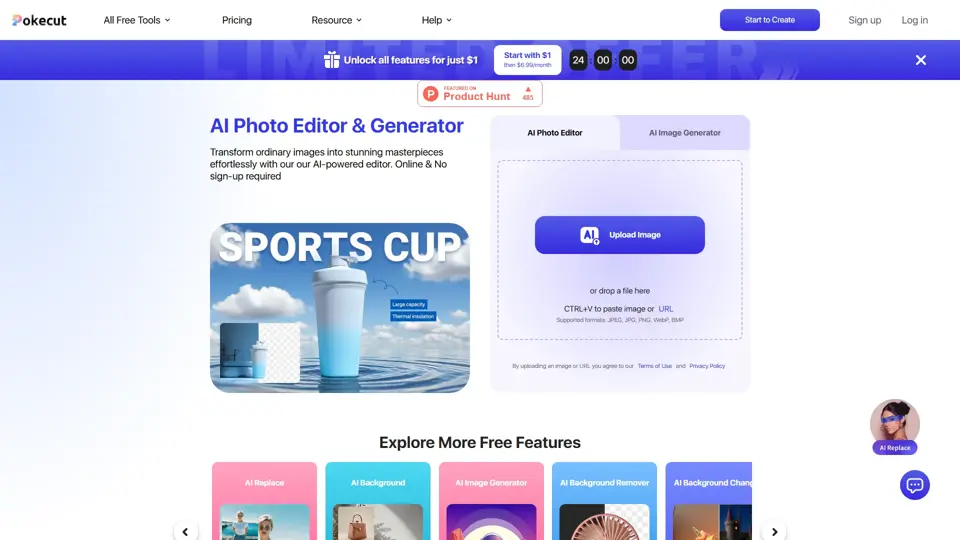
Pokecut is an AI photo editor that helps users remove backgrounds, enhance images, and generate visuals online, mainly for ecommerce sellers, marketers, and creators who need quick design-ready assets. It speeds up routine image production so visual teams can create polished content with less manual editing.

AI Photo Studio: Elevate Your E-Commerce with Our Magic Studio | iFoto
iFoto is an AI photo editing studio that helps users enhance images, change backgrounds, and create polished visuals online, mainly for eCommerce sellers, marketers, and content creators. It speeds up creative production for merchandising and marketing teams without requiring advanced design skills.
Product Hunt – The best new products in tech.
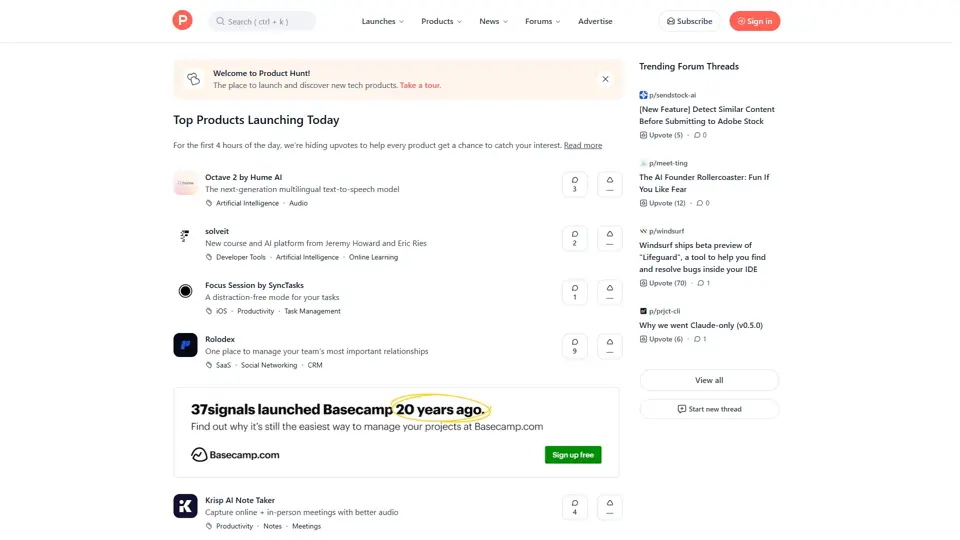
Product Hunt is a product discovery platform that helps users find, share, and discuss new technology products, mainly for founders, makers, investors, and early adopters. In the AI era, it gives product teams a fast feedback loop and a visible launch channel for new tools.

Governed Data Access for AI Agents | Secure MCP Tools
Pylar is a governed data access platform that helps users give AI agents secure access to structured data through controlled SQL views and MCP tools, mainly for data and engineering teams. It lets developers operationalize AI safely by balancing agent capability with governance and access control.
Qoder - The Agentic Coding Platform
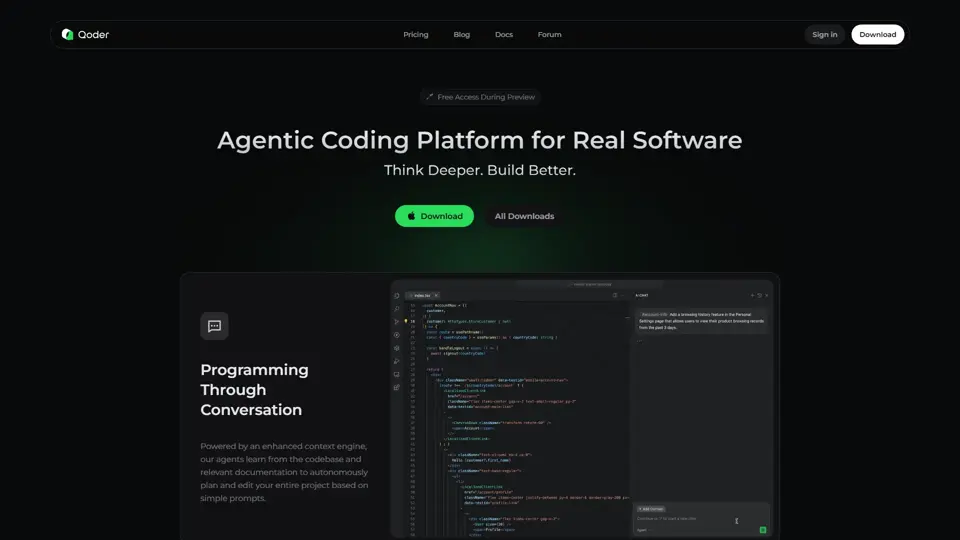
Qoder is an agentic coding platform that helps developers understand codebases and execute software tasks with AI agents, mainly for professional software engineers and development teams. It improves engineering throughput by combining strong code context with advanced models for more reliable task completion.

Bright Data for AI – Connect Your AI to the Web
Bright Data for AI is a web data platform that helps AI teams search, crawl, extract, and collect structured real-time and training data from the web through APIs, remote browsers, datasets, and automation tools. For AI engineers, data scientists, and agent builders, it can reduce the effort of building web access and data acquisition pipelines so they can focus more on model behavior and application logic.

Seedance 2.0
Seedance 2.0 is ByteDance's AI video generation model designed to create high-quality videos from prompts and multimodal inputs, mainly for creators, developers, and media teams. In the AI era, it helps visual content roles turn ideas into production-ready motion assets with far less manual editing effort.
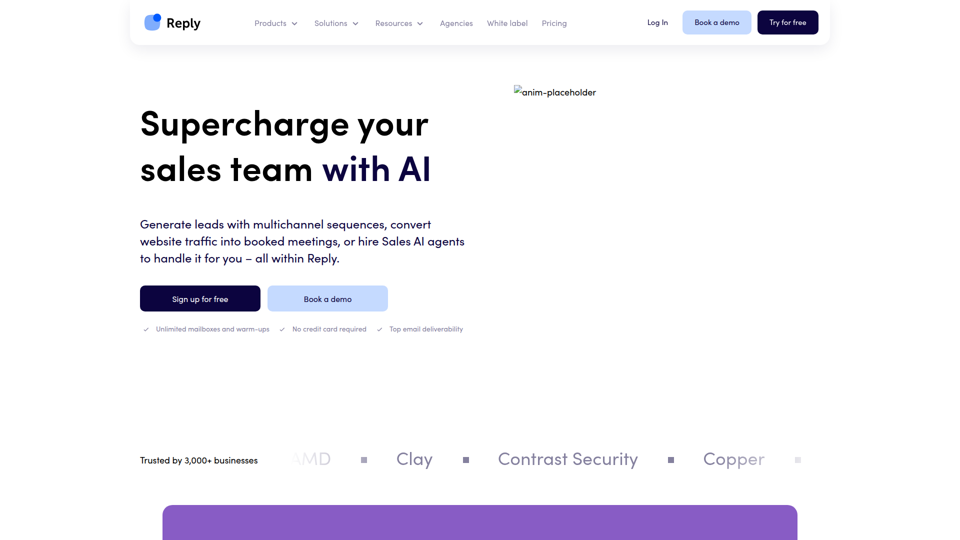
Reply.io | AI Sales Outreach & Cold Email Platform
Reply.io is an AI sales outreach and cold email platform that helps sales teams, SDRs, and business development professionals find B2B leads, run multichannel outreach, and book meetings with automation, deliverability tools, and AI-assisted messaging. In AI-driven outbound workflows, it can reduce manual prospecting and follow-up work so revenue teams can spend more time qualifying opportunities and closing deals.