

These role pages are strong internal hubs for understanding who uses this tool, which workflows it supports and how nearby professions evaluate similar products.
Devin | The AI Software Engineer is commonly evaluated by teams in Software Engineer, Software Development Manager, Data Engineer. Use the role pages below to compare adjacent workflows, understand real use cases and decide whether this tool belongs in your stack.
Select your score (1-10):
Devin is an AI software engineering product designed to take on software development tasks from a ticket through planning, testing, and pull request creation. Based on the page content, it is aimed at engineering teams that need help with backlog work, code migrations, refactors, bug fixing, data engineering tasks, and other repetitive or high-volume development work.
The product appears positioned as a collaborative AI engineering teammate for organizations and individual engineers, especially where work can be delegated and then reviewed by a human. The example shown focuses on large-scale codebase modernization, where Devin is taught a task pattern, works through many subtasks in parallel, tests changes, and submits work for approval.
Within an OpenClaw ecosystem, Devin would likely be a strong execution layer for software-delivery agents. OpenClaw skills could route incoming engineering requests from chat, ticketing systems, or internal ops workflows into Devin, then monitor status, summarize progress, and escalate exceptions to the right human reviewer. A likely use case would be an agent that classifies work by type—migration, bug fix, CI/CD issue, documentation update—and dispatches suitable tasks to Devin with the right context.
OpenClaw could also add orchestration around Devin for cross-functional workflows that extend beyond coding. For example, a likely but not confirmed pattern would be combining Devin with agents for ticket triage, architecture note generation, PR risk scoring, release coordination, and post-merge verification. In software, data, and platform teams, that combination could shift engineers away from repetitive implementation management toward higher-value review, system design, and exception handling.
Share this AI tool on your website or blog by copying and pasting the code below. The embedded widget will automatically update with the latest information.
<iframe src="https://aimyflow.com/ai/devin-ai/embed" width="100%" height="400" frameborder="0"></iframe>
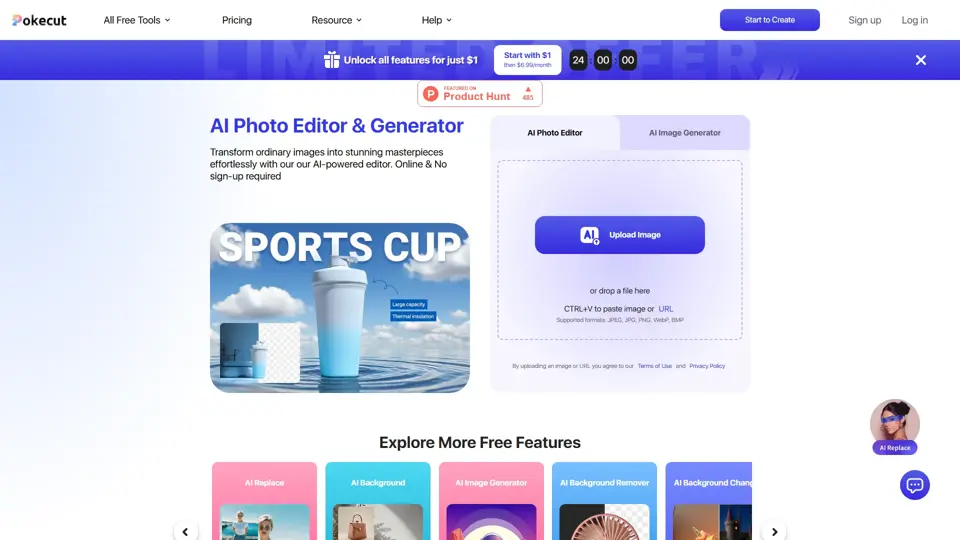
Pokecut is an AI photo editor that helps users remove backgrounds, enhance images, and generate visuals online, mainly for ecommerce sellers, marketers, and creators who need quick design-ready assets. It speeds up routine image production so visual teams can create polished content with less manual editing.
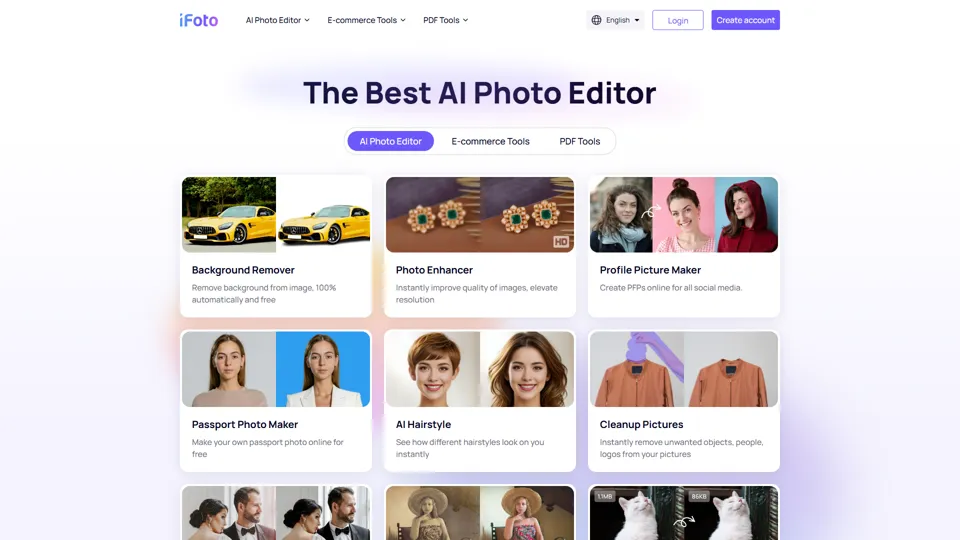
iFoto is an AI photo editing studio that helps users enhance images, change backgrounds, and create polished visuals online, mainly for eCommerce sellers, marketers, and content creators. It speeds up creative production for merchandising and marketing teams without requiring advanced design skills.
Product Hunt is a product discovery platform that helps users find, share, and discuss new technology products, mainly for founders, makers, investors, and early adopters. In the AI era, it gives product teams a fast feedback loop and a visible launch channel for new tools.
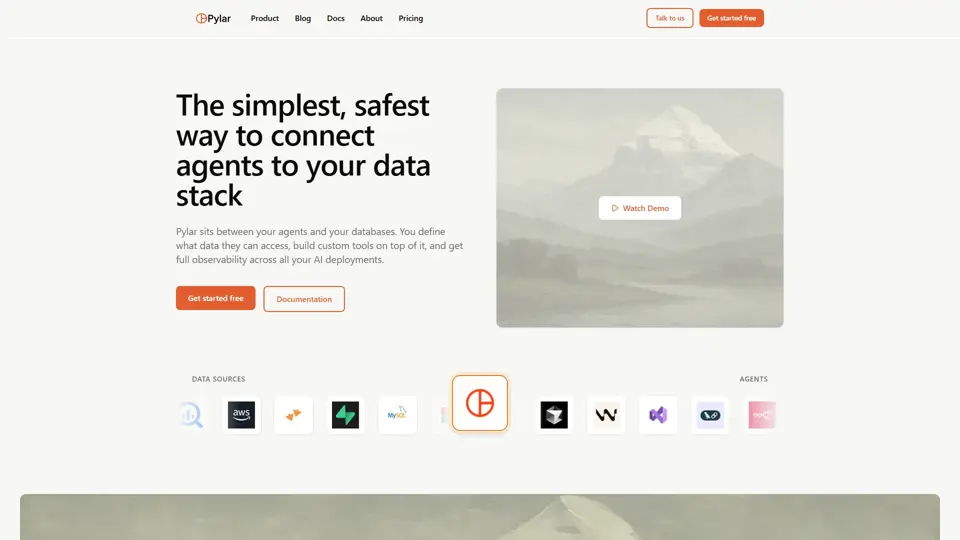
Pylar is a governed data access platform that helps users give AI agents secure access to structured data through controlled SQL views and MCP tools, mainly for data and engineering teams. It lets developers operationalize AI safely by balancing agent capability with governance and access control.
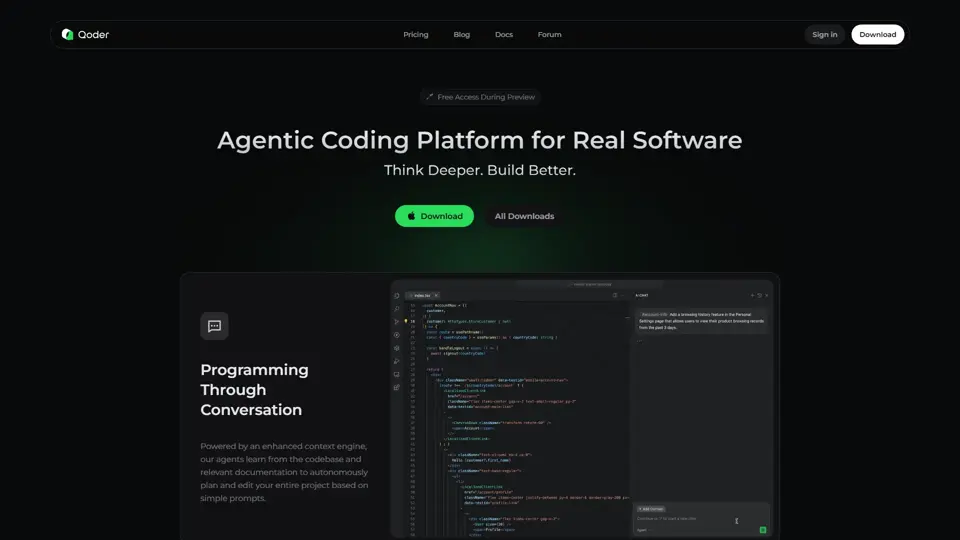
Qoder is an agentic coding platform that helps developers understand codebases and execute software tasks with AI agents, mainly for professional software engineers and development teams. It improves engineering throughput by combining strong code context with advanced models for more reliable task completion.
Bright Data for AI is a web data platform that helps AI teams search, crawl, extract, and collect structured real-time and training data from the web through APIs, remote browsers, datasets, and automation tools. For AI engineers, data scientists, and agent builders, it can reduce the effort of building web access and data acquisition pipelines so they can focus more on model behavior and application logic.

Seedance 2.0 is ByteDance's AI video generation model designed to create high-quality videos from prompts and multimodal inputs, mainly for creators, developers, and media teams. In the AI era, it helps visual content roles turn ideas into production-ready motion assets with far less manual editing effort.
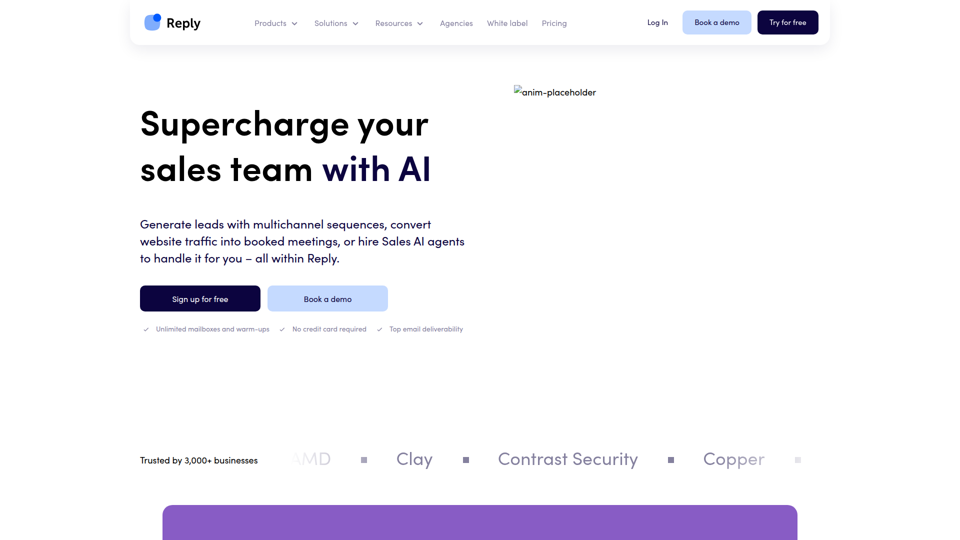
Reply.io is an AI sales outreach and cold email platform that helps sales teams, SDRs, and business development professionals find B2B leads, run multichannel outreach, and book meetings with automation, deliverability tools, and AI-assisted messaging. In AI-driven outbound workflows, it can reduce manual prospecting and follow-up work so revenue teams can spend more time qualifying opportunities and closing deals.