
Inlet - AI Timekeeping for Law Firms
Rate this Tool
Average Score
Total Votes
Select your score (1-10):
Detail Information
What
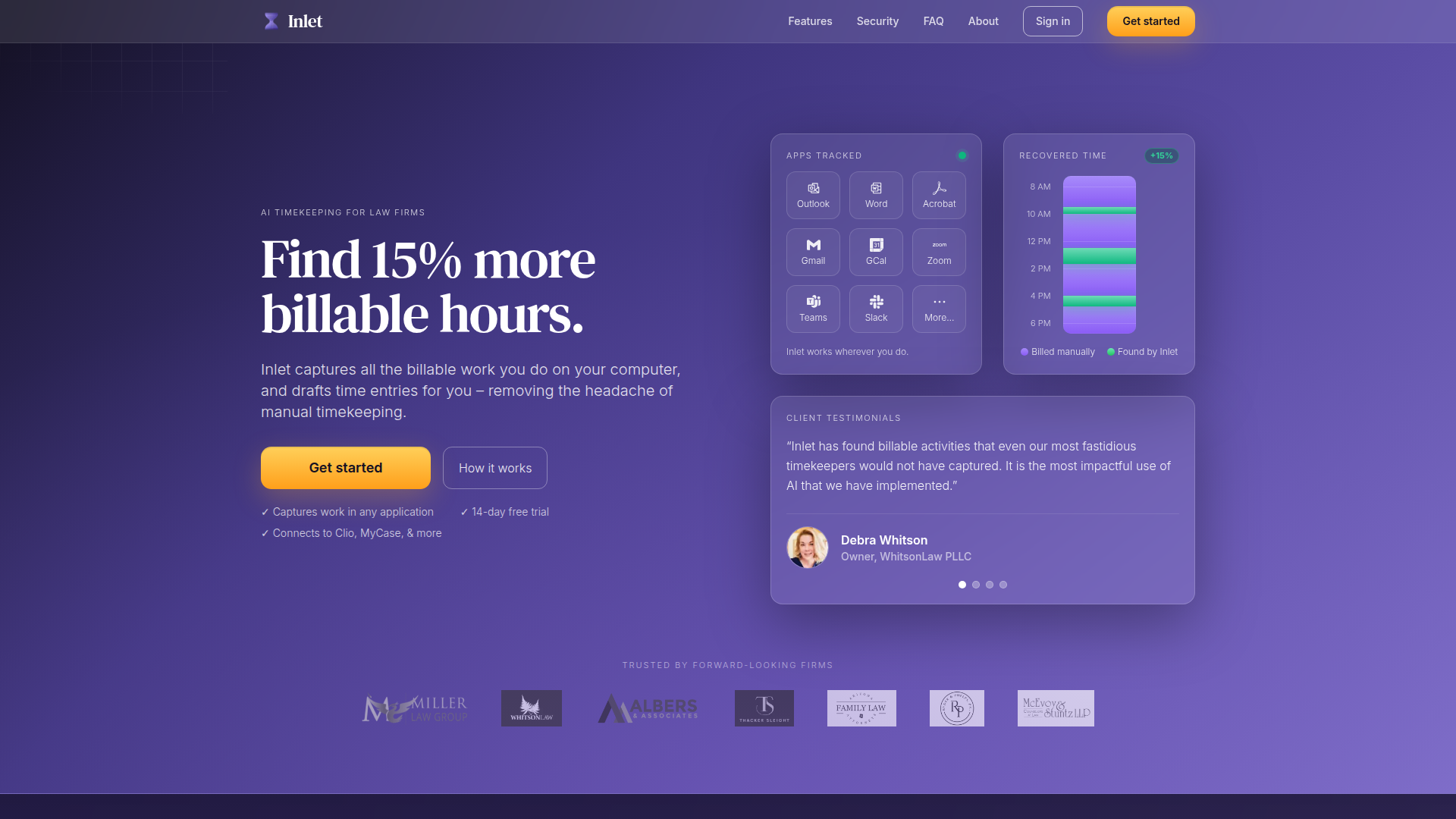
Inlet is an AI timekeeping product for law firms. It monitors work performed on a lawyer’s computer across common applications and drafts time entries automatically, with the goal of reducing manual timekeeping and recovering billable work that might otherwise be missed.
The product appears positioned as automated legal time capture for firms that already use practice management or billing systems such as Clio, MyCase, and Filevine. Its core workflow is straightforward: attorneys work as usual, Inlet tracks activity in the background, drafts billable entries, and lets users release those entries into downstream systems.
Features
- Automatic work capture across desktop tools — Inlet tracks activity in applications such as Outlook, Word, Acrobat, Gmail, Google Calendar, Zoom, Teams, and Slack so lawyers do not need to reconstruct their day manually.
- AI-drafted time entries — The system converts captured work into draft time entries, helping reduce administrative effort and making billing review faster.
- Works without changing existing workflows — The site states that users can work as they normally do, which is valuable for adoption in firms that want minimal disruption.
- One-click release to legal systems — Draft entries can be released to platforms including Clio, MyCase, and Filevine, supporting a cleaner handoff into billing or matter-management processes.
- Focus on billable-hour recovery — The product is presented as a way to find additional billable time, with the site highlighting a claimed 15% increase in billables.
- Security-centered design — Inlet states that it uses end-to-end encryption, SOC 2 security, and a zero data sharing policy, with messaging tailored to legal confidentiality concerns.
Helpful Tips
- Validate fit against your firm’s billing habits — Products like this are most useful where attorneys frequently under-record short tasks, fragmented communications, and context switching across many applications.
- Pilot with a small group first — A controlled rollout helps firms assess draft-entry quality, review workload, and attorney adoption before broader deployment.
- Review system-generated narratives closely — Even when automation is strong, legal teams should confirm matter matching, time allocation, and description quality before final billing.
- Map the product to your existing practice stack — Since Inlet emphasizes release into legal platforms, buyers should confirm the exact systems and workflows their team uses are supported.
- Scrutinize security and ethics requirements internally — The site makes strong security and legal-ethics statements, but firms should still run their own IT, privacy, and professional-responsibility review.
OpenClaw Skills
Inlet could likely fit well into the OpenClaw ecosystem as a source of structured work-activity data for legal operations workflows. A likely OpenClaw skill could review drafted time entries, flag unclear narratives, suggest cleaner billing descriptions, and route exceptions to the right attorney or billing manager before release. Another likely workflow could compare captured activity against client, matter, and calendar context to improve review efficiency.
More broadly, combining Inlet with OpenClaw agents could help law firms build a more automated “work-to-bill” pipeline. For example, likely use cases include matter-classification agents, billing hygiene reviewers, daily missed-time digests, or partner dashboards that identify unsubmitted time and workflow bottlenecks. If implemented carefully, that combination could shift legal timekeeping from a manual memory task into a monitored operational process, especially for firms trying to improve realization and reduce administrative drag.
Embed Code
Share this AI tool on your website or blog by copying and pasting the code below. The embedded widget will automatically update with the latest information.
<iframe src="https://www.aimyflow.com/ai/inletai-com/embed" width="100%" height="400" frameborder="0"></iframe>
Explore Similar Tools
Smith.ai 24/7 Live Receptionists, Outreach & Web Chat
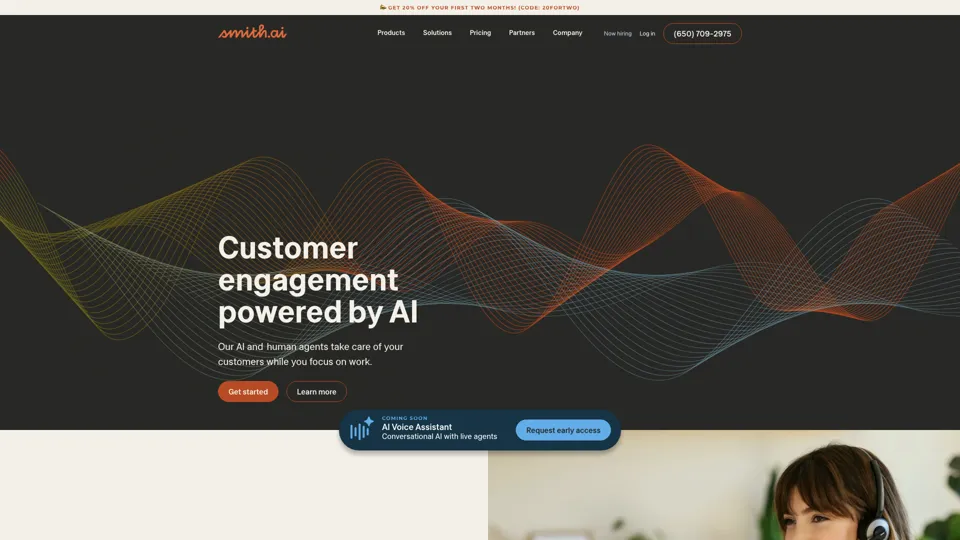
Smith.ai is a customer engagement service combining AI and live agents for 24/7 receptionist, outreach, and web chat support, mainly for small businesses and service firms. In the AI era, it helps sales and customer-facing teams capture more leads by blending automation with human follow-through.
Spellbook - AI Contract Drafting & Review
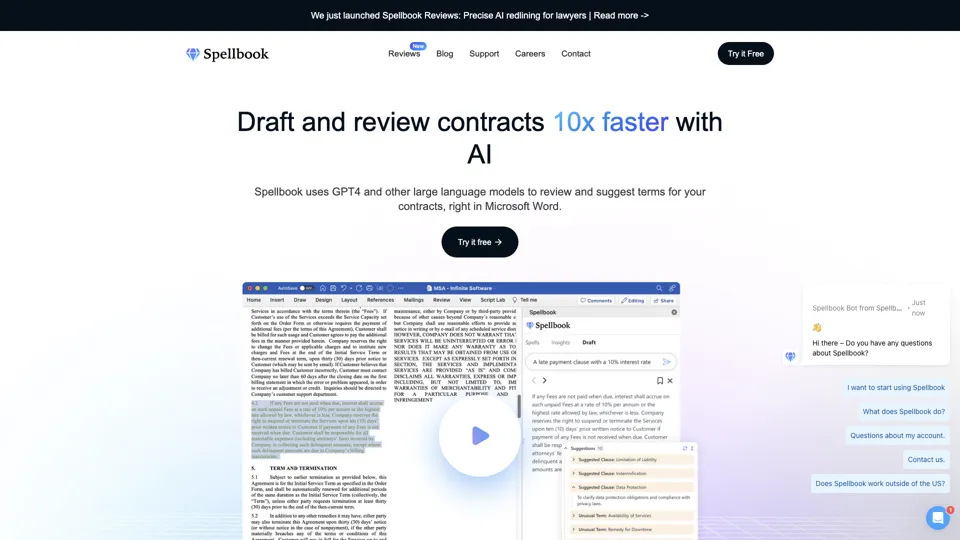
Spellbook is an AI contract drafting and review assistant that works in Microsoft Word to suggest language, analyze terms, and speed legal document work, mainly for lawyers and legal teams. In the AI era, it helps legal professionals review contracts faster and focus more on negotiation and judgment.
Ironclad: The Global Leader in Contract Management Software
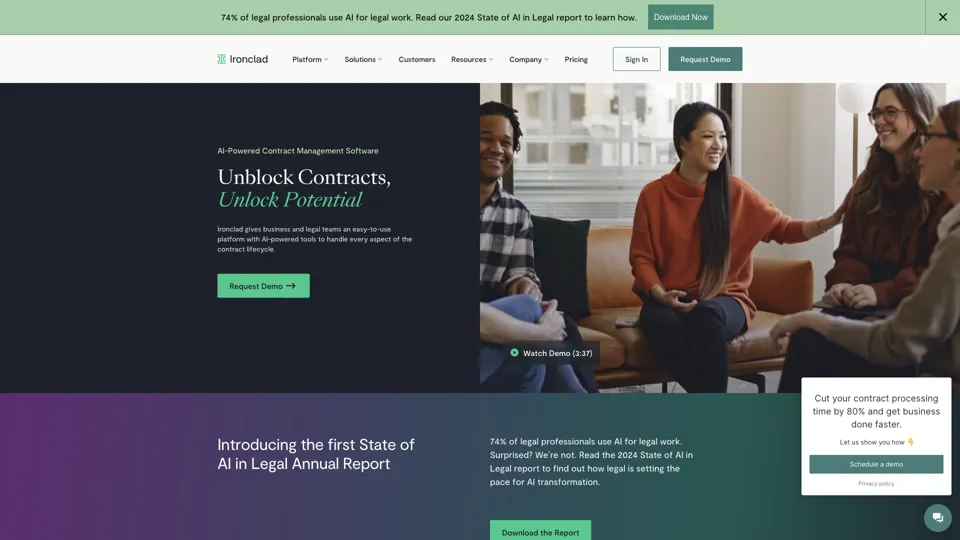
Ironclad is a contract management platform that helps legal and business teams create, negotiate, deploy, and analyze digital contracts across the contract lifecycle. It enables legal operations and procurement teams to move faster while keeping contract data more searchable and actionable.
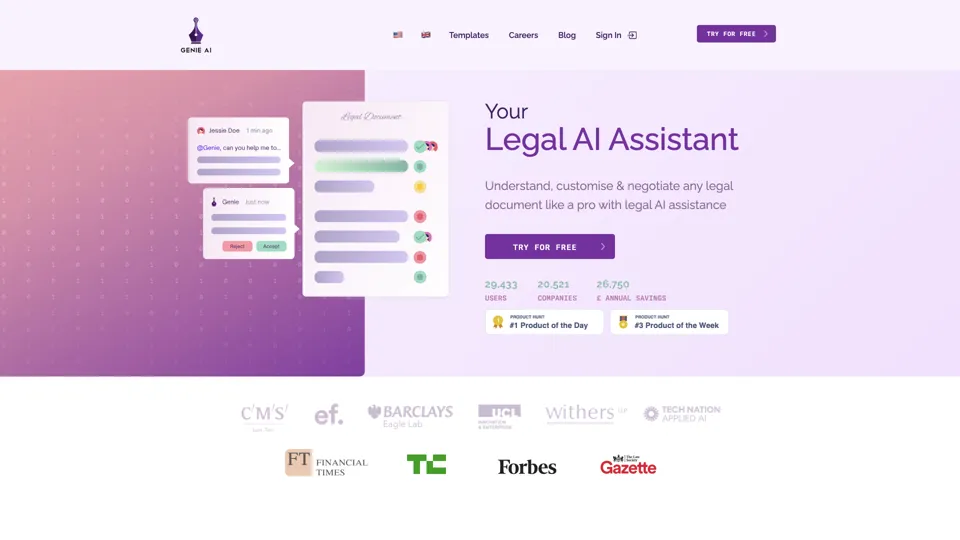
Your AI Legal Assistant - 500+ Free Templates
Genie AI is an AI legal assistant that helps businesses draft, review, and negotiate legal documents using templates and an open-source legal database. It enables legal and operations teams to handle routine contracting faster and with more standardized language.