
These role pages are strong internal hubs for understanding who uses this tool, which workflows it supports and how nearby professions evaluate similar products.
Jupid - AI Accountant That Actually Works is commonly evaluated by teams in Certified Public Accountant, CFO, Financial Analyst. Use the role pages below to compare adjacent workflows, understand real use cases and decide whether this tool belongs in your stack.
Select your score (1-10):
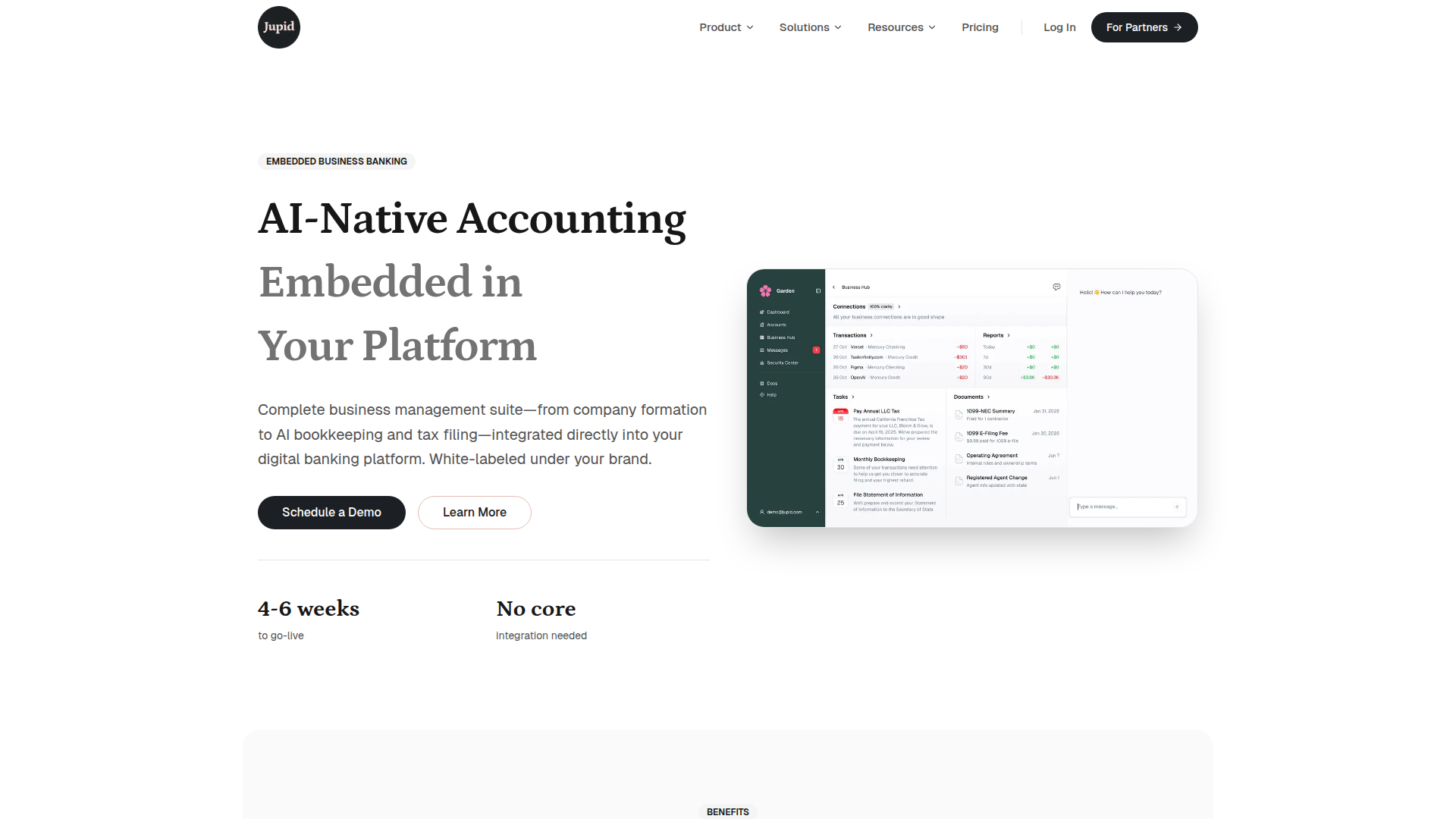
Jupid is an AI-native accounting platform focused on small business operations, with product areas spanning AI bookkeeping, LLC formation, tax filing, integrations, and an MCP server for connecting to AI agents and tools. The site presents it both as a direct small-business product and as an embedded, white-labeled offering for financial institutions such as credit unions and community banks.
Its core workflow is to help businesses handle formation, day-to-day bookkeeping, and tax preparation through a conversational interface in channels like WhatsApp, iMessage, and embedded chat. For banks and digital banking platforms, Jupid appears positioned as an embedded SMB enablement layer that can be launched without core system changes, though the company also states it is a technology provider only and not a source of legal, accounting, or tax advice.
Jupid could fit the OpenClaw ecosystem well as a finance operations layer for SMB-focused agents. Based on the page, a likely use case would be OpenClaw agents that collect receipts, explain transaction anomalies, summarize cash flow, prepare bookkeeping review queues, and route tax-season tasks through messaging channels or internal workflows. The MCP server is especially relevant here because it suggests a path for AI agents and tools to connect to Jupid programmatically.
For financial institutions or accounting-adjacent teams, OpenClaw could likely orchestrate higher-level workflows around Jupid rather than replace it: onboarding agents for new business formation, compliance reminder agents, portfolio-level SMB health monitors, or support copilots that answer client bookkeeping questions using Jupid data. If implemented well, that combination could shift business banking from a passive account relationship toward an operational platform for entrepreneurs, although this is a likely workflow design rather than a confirmed native OpenClaw integration stated on the page.
Share this AI tool on your website or blog by copying and pasting the code below. The embedded widget will automatically update with the latest information.
<iframe src="https://aimyflow.com/ai/jupid-com/embed" width="100%" height="400" frameborder="0"></iframe>

Pokecut is an AI photo editor that helps users remove backgrounds, enhance images, and generate visuals online, mainly for ecommerce sellers, marketers, and creators who need quick design-ready assets. It speeds up routine image production so visual teams can create polished content with less manual editing.
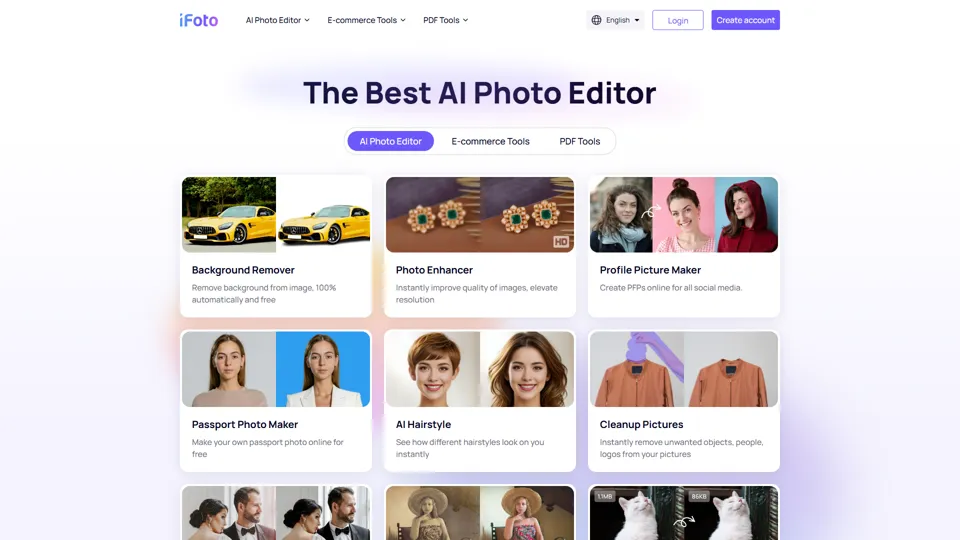
iFoto is an AI photo editing studio that helps users enhance images, change backgrounds, and create polished visuals online, mainly for eCommerce sellers, marketers, and content creators. It speeds up creative production for merchandising and marketing teams without requiring advanced design skills.
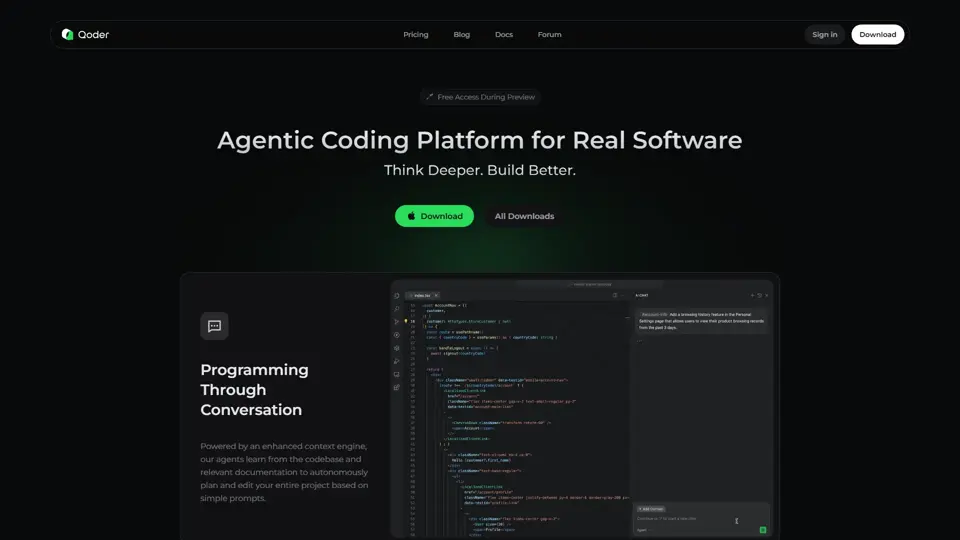
Qoder is an agentic coding platform that helps developers understand codebases and execute software tasks with AI agents, mainly for professional software engineers and development teams. It improves engineering throughput by combining strong code context with advanced models for more reliable task completion.
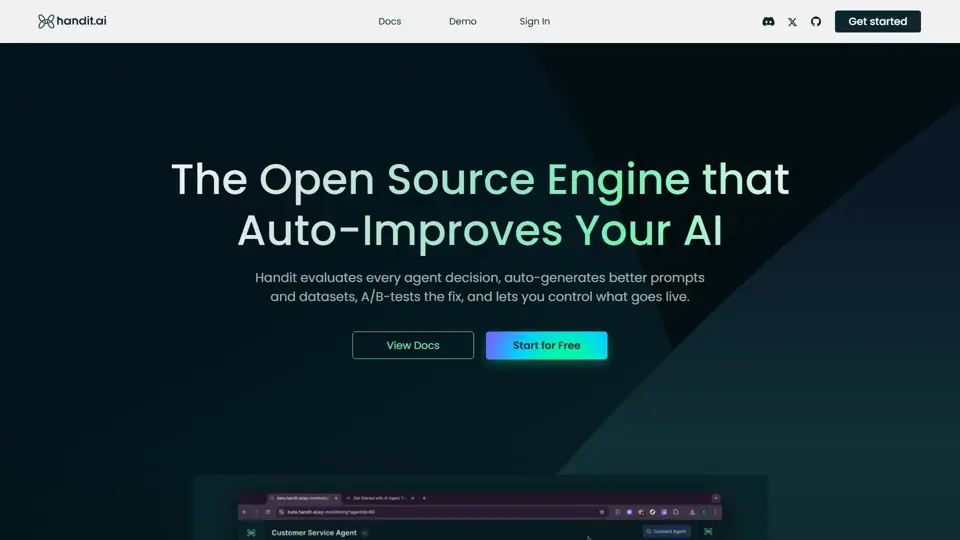
Handit.ai is an open-source optimization engine that evaluates AI agent decisions, generates improved prompts and datasets, and A/B tests changes for teams building and operating AI agents. It helps AI engineers and product teams improve agent quality faster while keeping tighter control over production behavior.
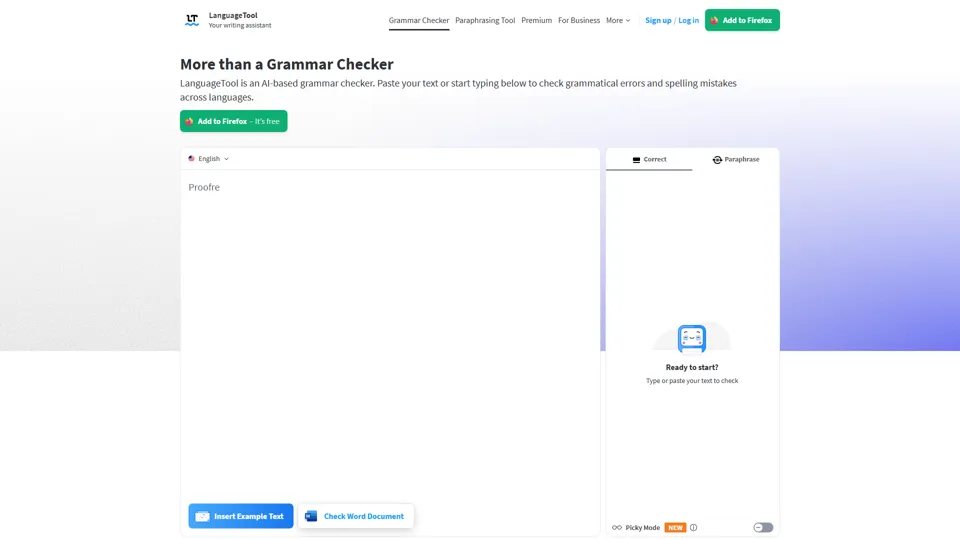
LanguageTool is an AI-powered grammar and writing assistant that helps users check grammar, spelling, punctuation, and style across more than 30 languages, mainly for students, professionals, and multilingual teams. It helps writing-heavy roles communicate more clearly and edit faster at scale.
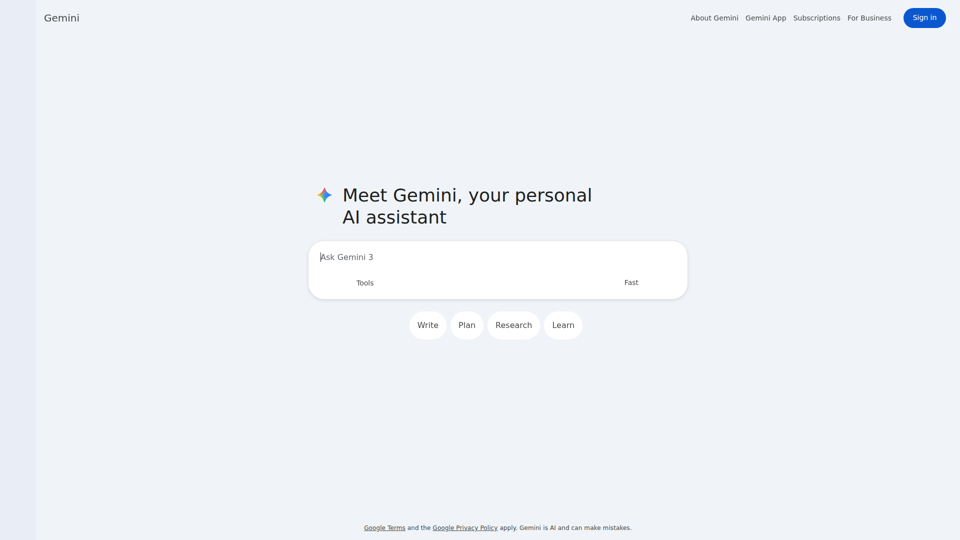
Google Gemini is Google’s AI assistant that helps users write, plan, research, and learn through chat, mainly for individual users and business professionals seeking general-purpose AI support. For knowledge workers, it can speed up early-stage drafting, idea development, and information gathering, though outputs should be checked because Gemini can make mistakes.
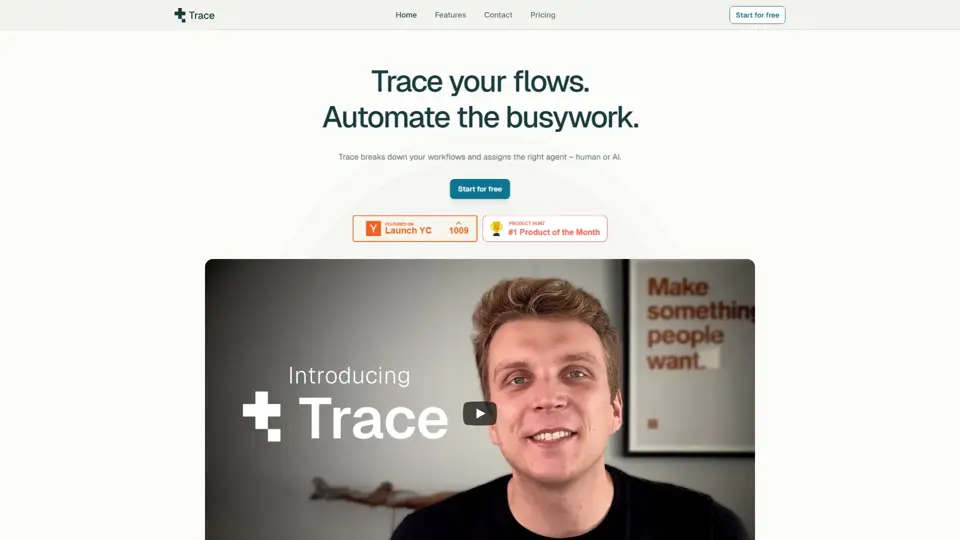
Trace is a software tool designed to support digital workflows, likely focused on helping teams organize, monitor, or analyze work more effectively. In the AI era, tools that centralize operational visibility help technical and business roles make faster decisions with less manual follow-up.
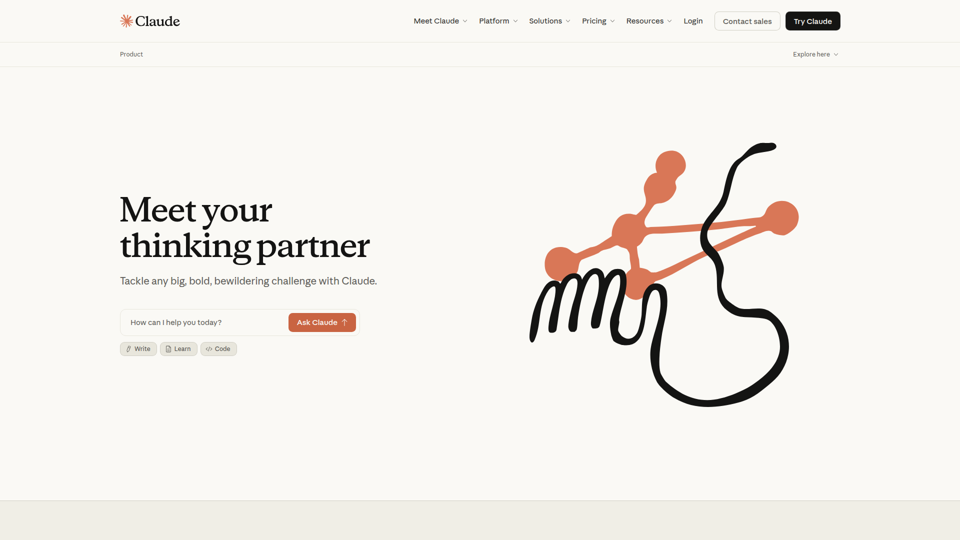
Claude by Anthropic is an AI assistant for problem solvers that helps users tackle complex work such as writing, coding, data analysis, research, and organizing tasks, mainly for professionals, developers, and teams handling difficult projects. In AI-enabled workflows, it can help knowledge workers and software teams move faster from analysis to execution while keeping people in control of approvals and file access.