
SearchCans: Google SERP API with Parallel Search Lanes ($0.56/1K)
Rate this Tool
Average Score
Total Votes
Select your score (1-10):
Detail Information
What
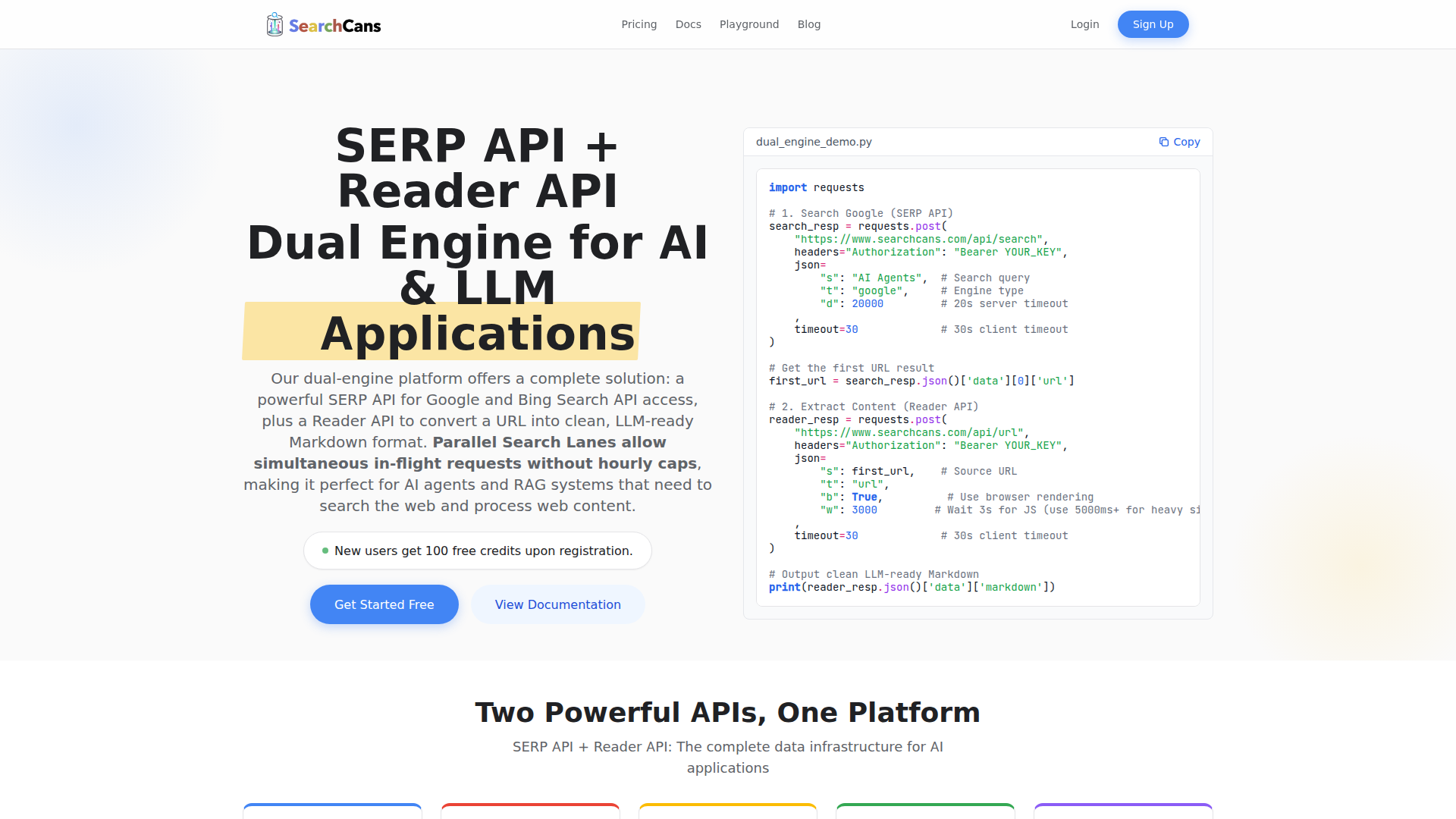
SearchCans is a developer-focused API platform that combines two web data services: a SERP API for Google and Bing search results, and a Reader API that converts URLs into clean Markdown for downstream LLM use. The core workflow shown on the site is to search the web programmatically, extract a result URL, and then transform the destination page into structured, machine-friendly content.
The product appears aimed at developers building AI agents, RAG pipelines, LLM applications, and other systems that need real-time web retrieval plus readable page extraction. Its positioning is a lower-cost, high-concurrency alternative in the search and web-to-Markdown API category, with emphasis on parallel in-flight requests, JSON responses, and infrastructure options that range from shared usage to dedicated cluster capacity.
Features
- Google and Bing SERP API: Returns structured search result data in JSON, which is useful for applications that need programmatic access to live search results.
- Reader API for URL-to-Markdown conversion: Turns web pages into clean Markdown output, helping AI systems process less noisy content for retrieval or summarization workflows.
- Dual-API workflow for AI pipelines: Supports a common pattern where an application searches first and then extracts the selected page, reducing custom glue code across research and RAG tasks.
- Parallel Search Lanes: Allows multiple simultaneous in-flight requests with no stated hourly throughput caps, which is practical for bursty agent workloads and higher-concurrency processing.
- Browser rendering option in Reader API: Includes a browser-rendering mode with wait controls, which can help with pages that rely on JavaScript before content becomes available.
- Shared and dedicated infrastructure options: Offers shared cluster access for testing and side projects, and higher-tier dedicated cluster capacity for teams that need lower queueing and more predictable production behavior.
Helpful Tips
- Validate coverage on your target sites: If your use case depends on JavaScript-heavy pages, test the Reader API’s browser rendering and wait settings early because the page only indicates support, not extraction success rates by site type.
- Design around the two-step workflow: This product is most valuable when search retrieval and page extraction are both needed, so plan your pipeline to separate result discovery from content parsing.
- Model concurrency needs before choosing a plan: Parallel Search Lanes are a central differentiator here, so estimate simultaneous request volume rather than only total monthly request counts.
- Check operational fit beyond price: The site highlights affordability and latency, but buyers should still verify response consistency, error handling, and result quality against their own search and ingestion workloads.
- Use structured outputs deliberately: Since the platform returns JSON for search and Markdown for extracted pages, it is well suited to routing, ranking, chunking, and summarization layers in AI systems.
OpenClaw Skills
SearchCans could likely fit well into OpenClaw as a retrieval and web-ingestion layer for agent workflows. A likely use case would be an OpenClaw research skill that submits parallel search queries through the SERP API, ranks returned URLs, and then sends selected pages to the Reader API for Markdown extraction before handing the content to analysis or synthesis agents. While the page mentions LangChain and LlamaIndex, it does not state a native OpenClaw integration, so this should be treated as a workflow inference rather than a confirmed connector.
Within the OpenClaw ecosystem, this could support skills such as market intelligence monitoring, competitive analysis, citation-backed research drafting, and live web enrichment for internal knowledge agents. For teams in research, product strategy, sales intelligence, or analyst functions, the combination could shift work from manual browsing and copying into structured, repeatable retrieval pipelines, especially where bursty concurrency and real-time web access matter.
Embed Code
Share this AI tool on your website or blog by copying and pasting the code below. The embedded widget will automatically update with the latest information.
<iframe src="https://aimyflow.com/ai/searchcans-com/embed" width="100%" height="400" frameborder="0"></iframe>
Explore Similar Tools
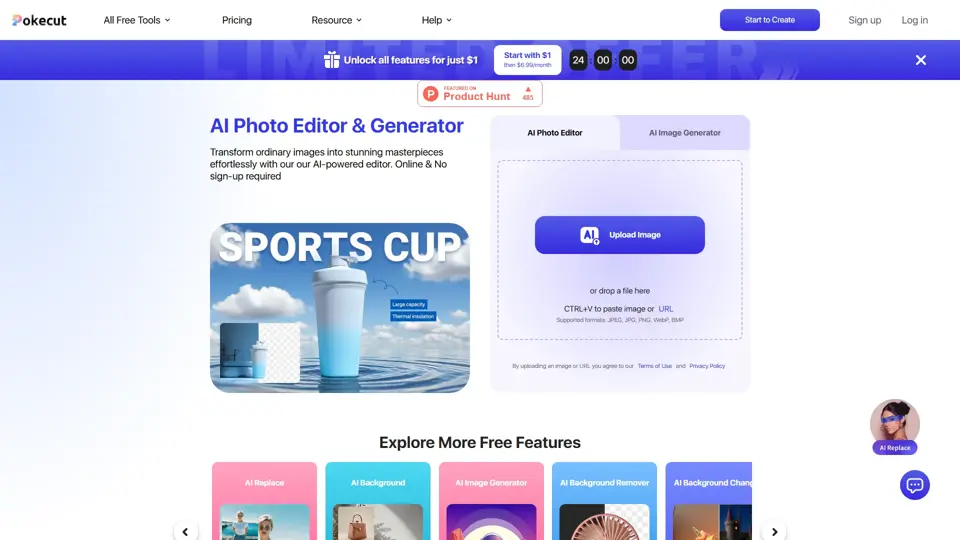
Free AI Photo Editor: Edit & Generate Image Online | Pokecut
Pokecut is an AI photo editor that helps users remove backgrounds, enhance images, and generate visuals online, mainly for ecommerce sellers, marketers, and creators who need quick design-ready assets. It speeds up routine image production so visual teams can create polished content with less manual editing.
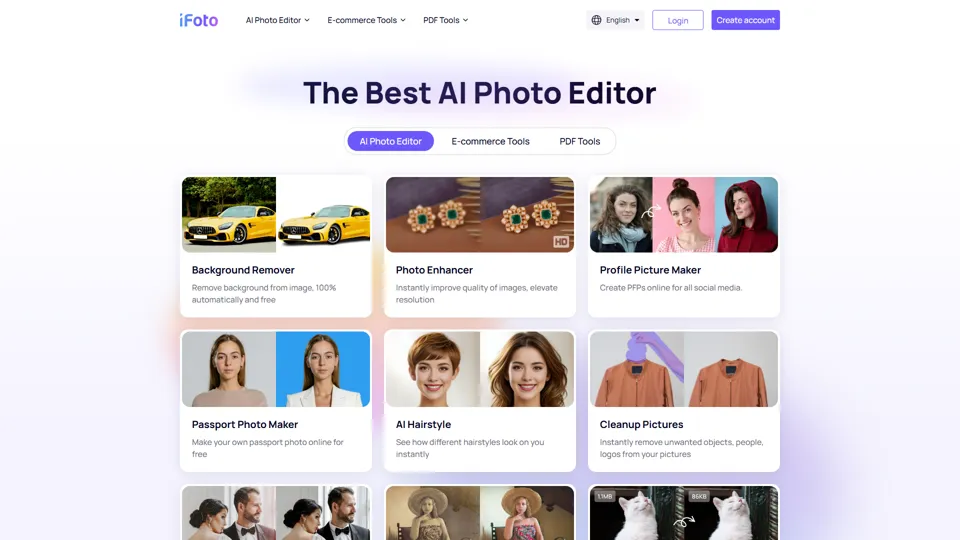
AI Photo Studio: Elevate Your E-Commerce with Our Magic Studio | iFoto
iFoto is an AI photo editing studio that helps users enhance images, change backgrounds, and create polished visuals online, mainly for eCommerce sellers, marketers, and content creators. It speeds up creative production for merchandising and marketing teams without requiring advanced design skills.
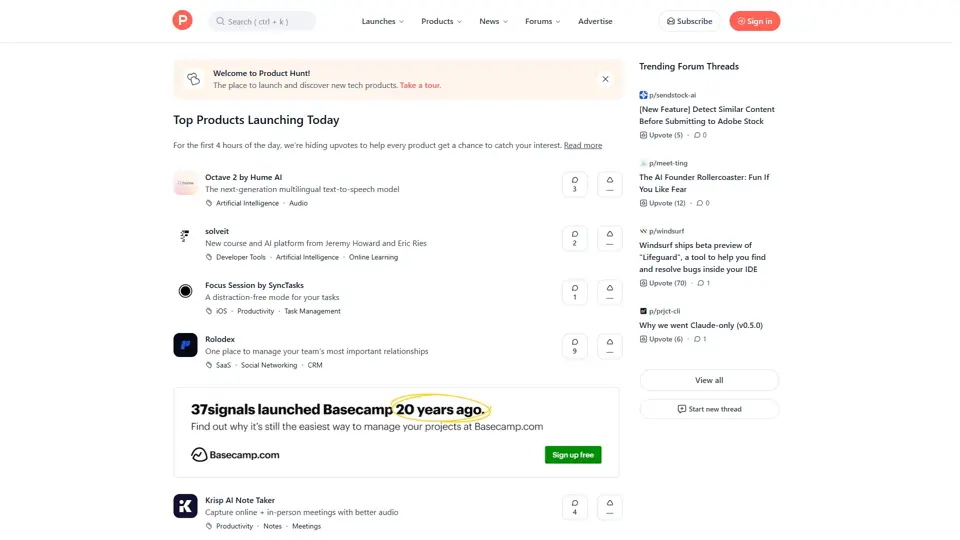
Product Hunt – The best new products in tech.
Product Hunt is a product discovery platform that helps users find, share, and discuss new technology products, mainly for founders, makers, investors, and early adopters. In the AI era, it gives product teams a fast feedback loop and a visible launch channel for new tools.
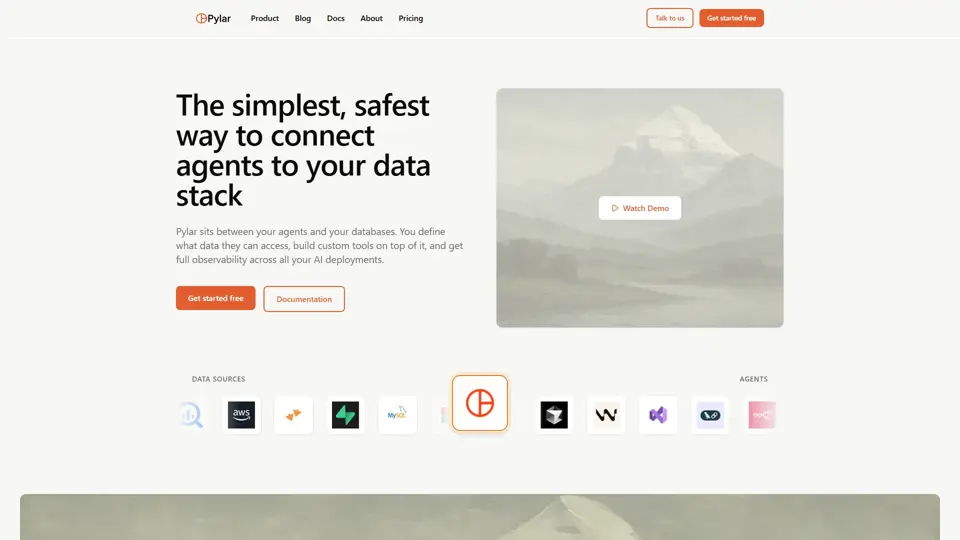
Governed Data Access for AI Agents | Secure MCP Tools
Pylar is a governed data access platform that helps users give AI agents secure access to structured data through controlled SQL views and MCP tools, mainly for data and engineering teams. It lets developers operationalize AI safely by balancing agent capability with governance and access control.
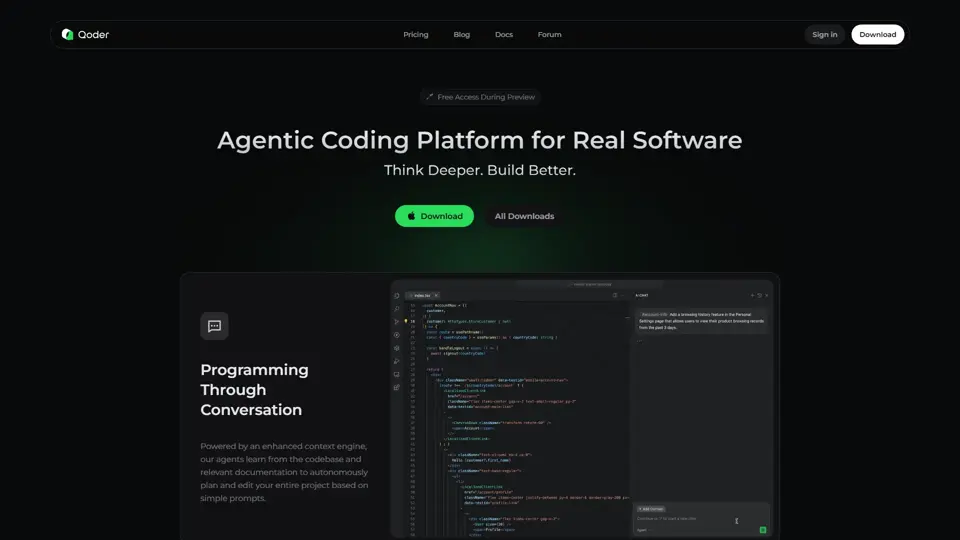
Qoder - The Agentic Coding Platform
Qoder is an agentic coding platform that helps developers understand codebases and execute software tasks with AI agents, mainly for professional software engineers and development teams. It improves engineering throughput by combining strong code context with advanced models for more reliable task completion.
Bright Data for AI – Connect Your AI to the Web
Bright Data for AI is a web data platform that helps AI teams search, crawl, extract, and collect structured real-time and training data from the web through APIs, remote browsers, datasets, and automation tools. For AI engineers, data scientists, and agent builders, it can reduce the effort of building web access and data acquisition pipelines so they can focus more on model behavior and application logic.

Seedance 2.0
Seedance 2.0 is ByteDance's AI video generation model designed to create high-quality videos from prompts and multimodal inputs, mainly for creators, developers, and media teams. In the AI era, it helps visual content roles turn ideas into production-ready motion assets with far less manual editing effort.
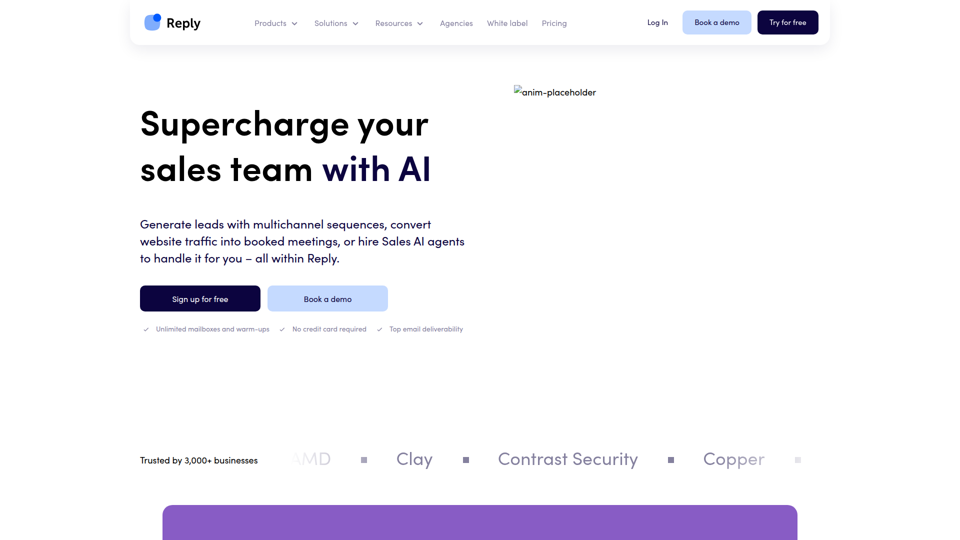
Reply.io | AI Sales Outreach & Cold Email Platform
Reply.io is an AI sales outreach and cold email platform that helps sales teams, SDRs, and business development professionals find B2B leads, run multichannel outreach, and book meetings with automation, deliverability tools, and AI-assisted messaging. In AI-driven outbound workflows, it can reduce manual prospecting and follow-up work so revenue teams can spend more time qualifying opportunities and closing deals.