
Average Score
Total Votes
Select your score (1-10):
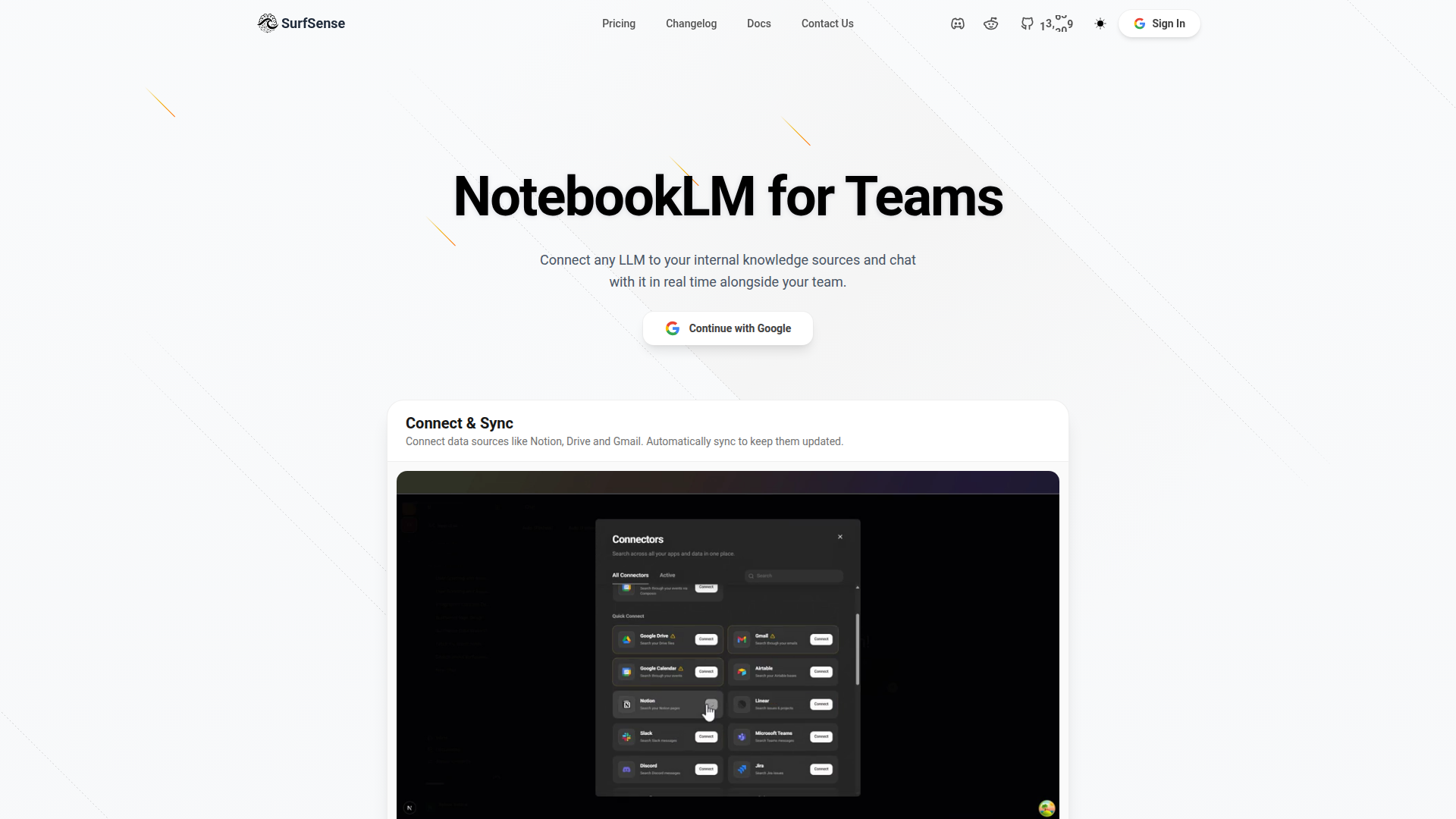
SurfSense is an open source, team-oriented alternative to NotebookLM that connects large language models to internal knowledge sources and lets users chat with that information in real time. The page presents it as a shared AI knowledge hub for organizations that want to centralize documents, search across them, and collaborate around answers with source references.
It appears aimed at teams that work across company and personal knowledge repositories such as Notion, Google Drive, and Gmail. Its core workflow is to connect and sync data sources, query them through an LLM of choice, and collaborate inside a multiplayer workspace with live edits, comments, and cited responses; positioning-wise, it likely sits between AI knowledge management, collaborative research, and enterprise-style retrieval-augmented chat.
SurfSense could fit well within the OpenClaw ecosystem as a knowledge-grounding layer for team agents. Likely OpenClaw skills could include internal research assistants, document Q&A agents, meeting prep workflows, and knowledge triage routines that pull from synced repositories and return cited summaries for shared review. Because SurfSense emphasizes collaborative chat and source-backed answers, it could serve as the retrieval and discussion surface around which OpenClaw agents coordinate work.
A likely use case, rather than a confirmed native integration, would be building OpenClaw workflows that monitor updated knowledge sources, generate digest notes, route questions to domain-specific agents, and post collaborative outputs back into shared spaces for comments and refinement. In practice, this combination could help operations, enablement, support, and research teams move from fragmented document search toward continuously updated, agent-assisted knowledge work with human review built into the loop.
Share this AI tool on your website or blog by copying and pasting the code below. The embedded widget will automatically update with the latest information.
<iframe src="https://www.aimyflow.com/ai/surfsense-com/embed" width="100%" height="400" frameborder="0"></iframe>
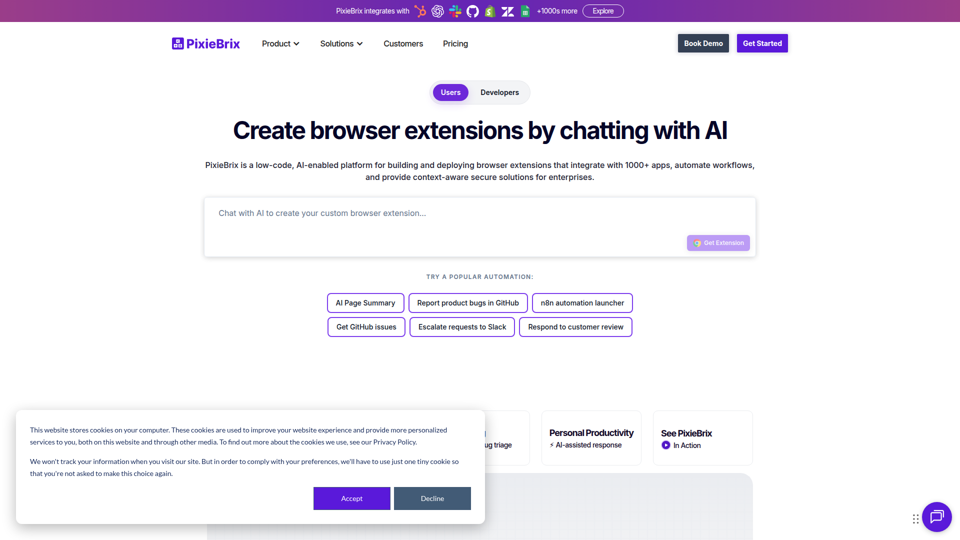
PixieBrix is a low-code enterprise platform for building, deploying, and managing AI-enabled browser extensions that integrate with web apps, data, and APIs to automate workflows, mainly for operations, customer support, and IT teams. In AI-driven workplaces, it helps support leaders and process owners embed context-aware guidance and assistance directly in existing tools, reducing app switching and standardizing work.
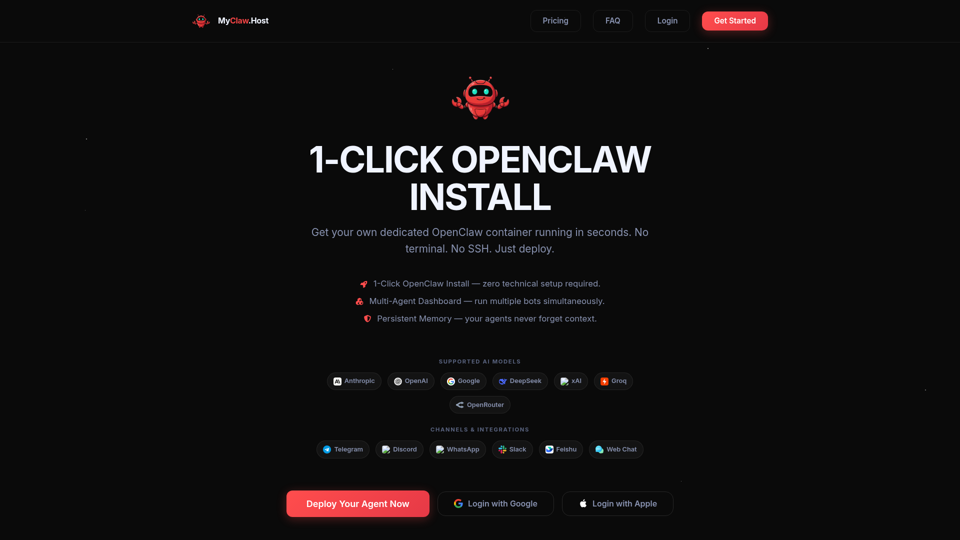
MyClaw.Host is a hosting platform that provides pre-configured VPS infrastructure for deploying and managing OpenClaw AI agents with one-click setup, mainly for users who need dedicated agent hosting without manual server administration. For AI operations, support, and automation teams, it can reduce setup overhead and simplify running multiple agents across web chat and messaging channels from one dashboard.
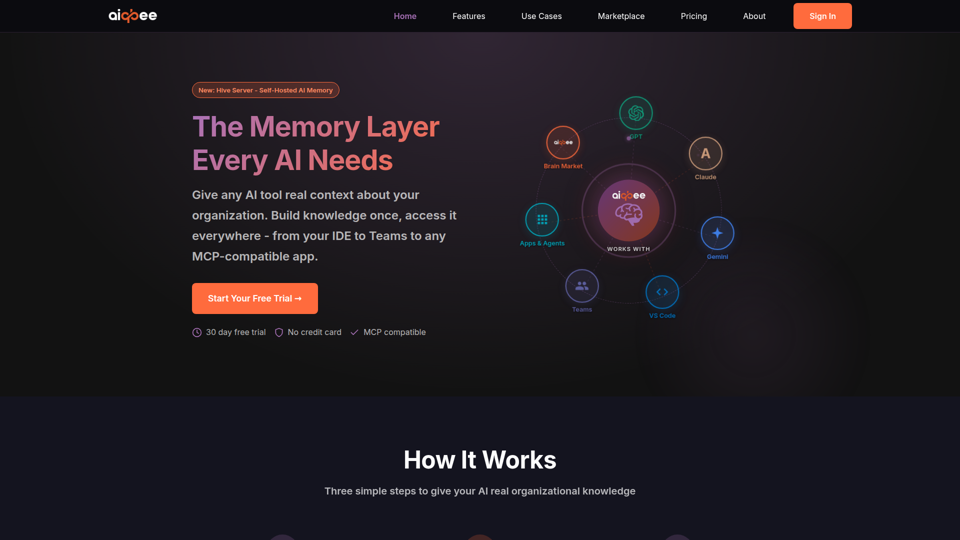
Aiqbee is an enterprise AI memory platform that gives any LLM or AI tool persistent organizational context by centralizing company knowledge, connecting it to tools like Teams and IDEs, and adding governance controls, mainly for businesses managing AI use across teams. For IT, operations, support, and development functions, it can reduce repeated prompting and improve consistency by making shared knowledge available across approved AI workflows.
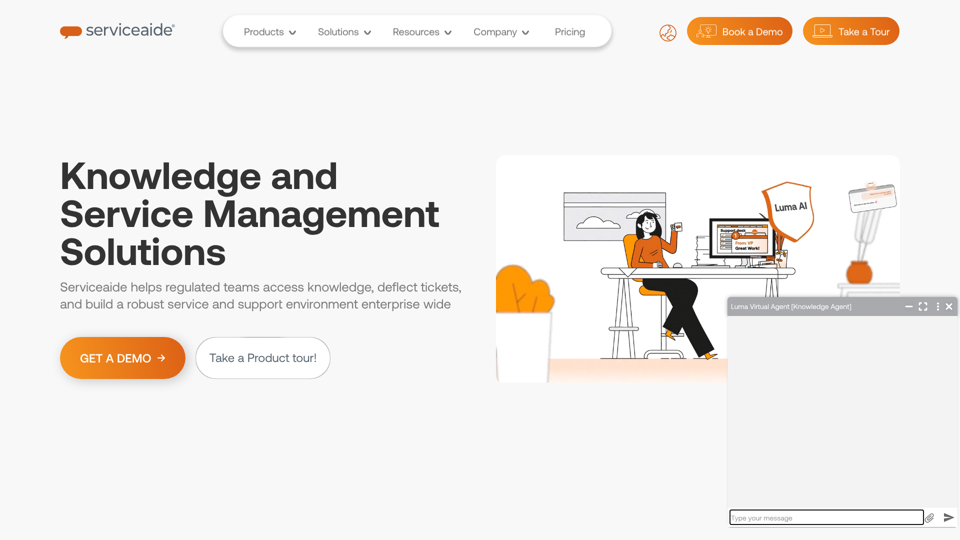
Serviceaide is an enterprise digital management platform with AI-powered service management, change management, knowledge management, and ticket deflection tools that help organizations automate support and resolve issues faster, mainly for enterprise service and support teams. For ITSM, service desk, HR, facilities, and governance teams, its agentic AI and self-service capabilities can reduce repetitive tickets and improve first-contact resolution.
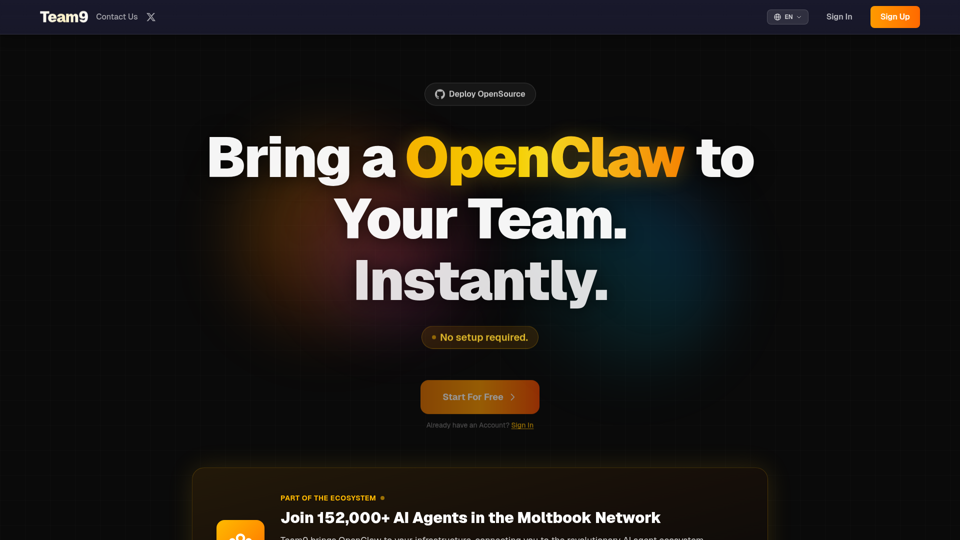
Team9 is an AI workspace that lets teams deploy managed OpenClaw AI agents with no setup, hire AI staff, and collaborate on tasks in one place, mainly for organizations that want private, infrastructure-controlled automation. For IT, operations, engineering, and knowledge management teams, it can streamline recurring workflows like reporting, monitoring, documentation, and GitHub operations while keeping sensitive context on their own systems.
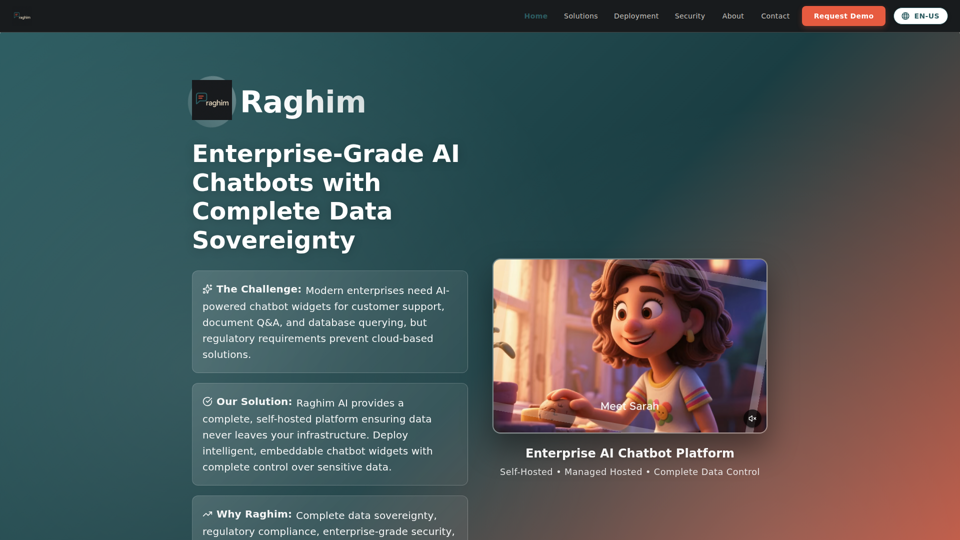
Raghim AI is an enterprise AI chatbot platform that helps organizations deploy self-hosted or managed chatbots for document Q&A, natural language database querying, and customer support while keeping data inside their infrastructure, making it mainly suited for privacy-conscious enterprises in regulated environments. In AI workflows, it can help IT, security, compliance, and operations teams adopt chatbots more safely by combining retrieval, OCR, integrations, and governance controls within one controlled deployment model.
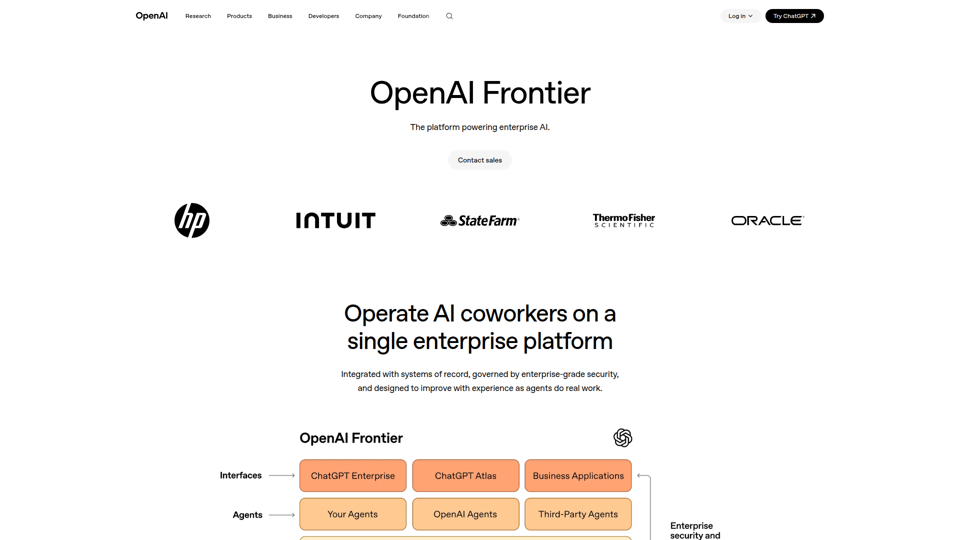
OpenAI Frontier is an enterprise platform for deploying secure, production-ready AI agents that connect to systems of record, automate core workflows, and support teams in roles like data analysis, forecasting, software engineering, customer support, and procurement. For IT, operations, and business leaders, it can make AI work more reliable in production through governance, auditability, and feedback loops that help agents improve over time.
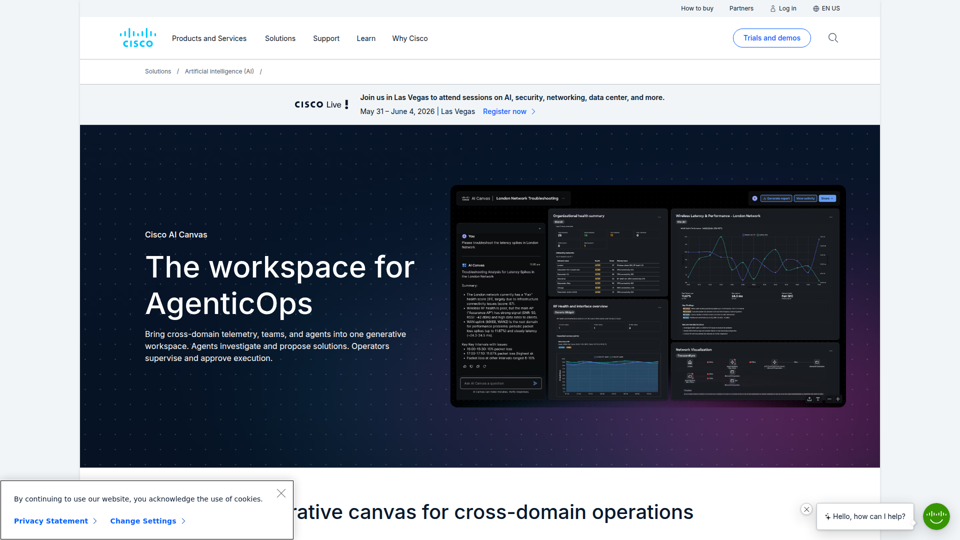
Cisco AI Canvas is a shared generative workspace for AgenticOps that brings cross-domain IT telemetry, teams, and agents together to help IT operations teams collaborate and work from a unified view. In AI-driven operations, this kind of shared workspace can help IT operators and engineers interpret data faster and coordinate responses across domains with less manual handoff.