
AgentDesk
Rate this Tool
Average Score
Total Votes
Select your score (1-10):
Detail Information
What
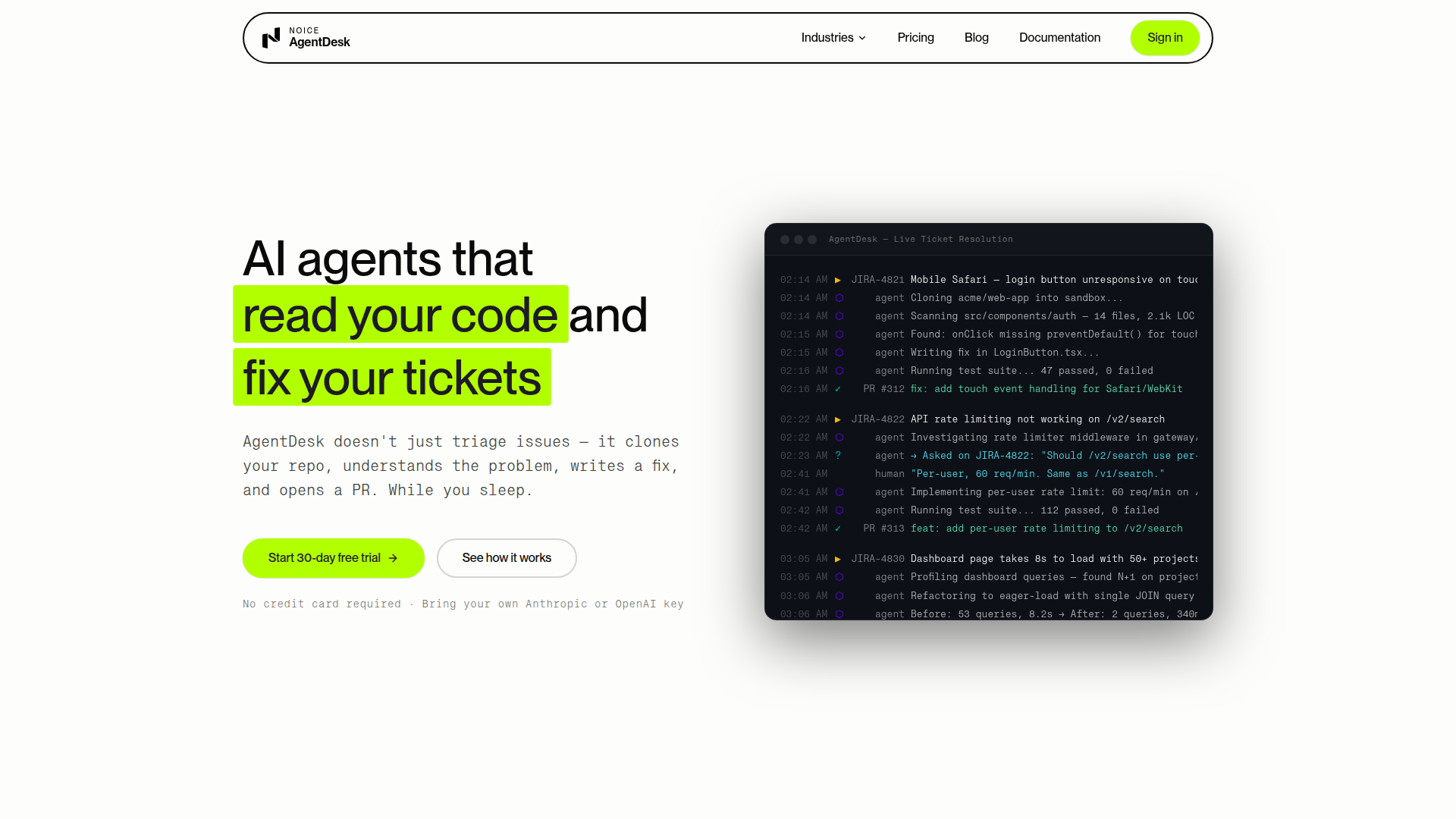
AgentDesk is an AI-powered ticket resolution platform for software teams that works directly on engineering issues rather than only drafting support responses. Based on the page, it connects to tools such as GitHub and Jira, clones repositories into isolated sandboxes, investigates tickets, writes code changes, runs tests, and opens pull requests.
It appears positioned for engineering organizations that manage backlogs across SaaS, agencies, e-commerce, financial services, healthcare, and managed IT environments. Its core workflow is ticket-to-PR automation with optional human approval, making it most relevant for teams that want autonomous issue handling while keeping existing review and merge processes in place.
Features
- Autonomous ticket handling: Agents pick up tickets from Jira sync, a portal, or manual input, reducing manual triage and investigation work for development teams.
- Repository-aware code changes: The system clones the relevant repo into a sandbox, reads the codebase, and writes fixes in context instead of offering unverified suggestions.
- Test execution before PR creation: Agents run the project test suite before opening a pull request, which helps teams review proposed fixes with basic validation already completed.
- Ticket conversation and clarification: If requirements are unclear, the agent comments on the ticket and waits for human input, supporting iterative resolution rather than forcing a one-shot response.
- Tool and infrastructure access: AgentDesk supports GitHub, Jira, and CLI-based access to tools like Azure and Vercel, enabling agents to use parts of the stack in a way similar to human operators.
- Sandboxing, audit logs, and approval controls: Each ticket runs in an isolated environment, actions are logged, and teams can require approval for selected steps to maintain oversight.
Helpful Tips
- Validate fit against ticket types: This kind of product is likely most useful for repeatable engineering work such as bug fixes, test-backed changes, and routine backlog items, rather than ambiguous strategic work.
- Assess codebase readiness: Agent-driven fixes are generally more effective when repositories have reliable tests, clear structure, and documented workflows.
- Design approval policies early: Since the product supports configurable human oversight, teams should decide in advance which actions can run autonomously and which require review.
- Review secret and token handling carefully: The page mentions an encrypted vault and runtime secret injection, so buyers should map internal access policies to those operational controls before rollout.
- Model LLM usage separately from platform cost: Because AgentDesk uses bring-your-own Anthropic or OpenAI keys, teams should plan governance and budget monitoring for API consumption in addition to subscription pricing.
OpenClaw Skills
Within the OpenClaw ecosystem, AgentDesk could support skills centered on software delivery operations, backlog execution, and engineering workflow orchestration. Likely use cases include an OpenClaw agent that classifies incoming issues, routes them to AgentDesk based on repo ownership or severity, then summarizes resulting pull requests, test outcomes, and unresolved clarifications for engineering managers. The page does not state a native OpenClaw integration, so this should be treated as a plausible workflow layer built around AgentDesk’s existing ticket and repository process.
A broader OpenClaw setup could combine AgentDesk with skills for release notes, incident follow-up, bug trend analysis, QA handoff, and stakeholder reporting. In practice, that could shift engineering operations from manual queue management toward orchestrated issue resolution pipelines, where OpenClaw coordinates decisions and communication while AgentDesk executes code-level work inside the development lifecycle.
Embed Code
Share this AI tool on your website or blog by copying and pasting the code below. The embedded widget will automatically update with the latest information.
<iframe src="https://www.aimyflow.com/ai/agentdesk-noice-net-au/embed" width="100%" height="400" frameborder="0"></iframe>
Explore Similar Tools

Free AI Photo Editor: Edit & Generate Image Online | Pokecut
Pokecut is an AI photo editor that helps users remove backgrounds, enhance images, and generate visuals online, mainly for ecommerce sellers, marketers, and creators who need quick design-ready assets. It speeds up routine image production so visual teams can create polished content with less manual editing.
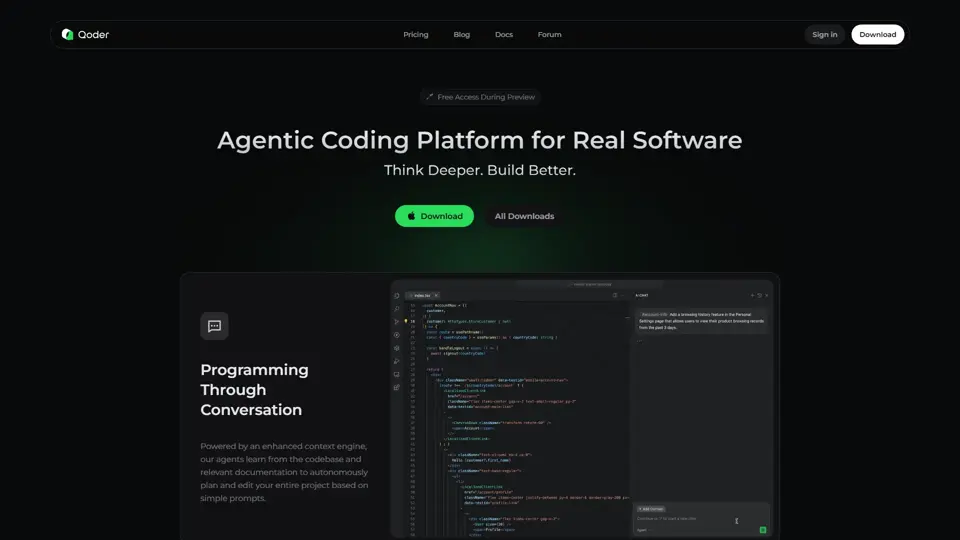
Qoder - The Agentic Coding Platform
Qoder is an agentic coding platform that helps developers understand codebases and execute software tasks with AI agents, mainly for professional software engineers and development teams. It improves engineering throughput by combining strong code context with advanced models for more reliable task completion.

Seedance 2.0
Seedance 2.0 is ByteDance's AI video generation model designed to create high-quality videos from prompts and multimodal inputs, mainly for creators, developers, and media teams. In the AI era, it helps visual content roles turn ideas into production-ready motion assets with far less manual editing effort.
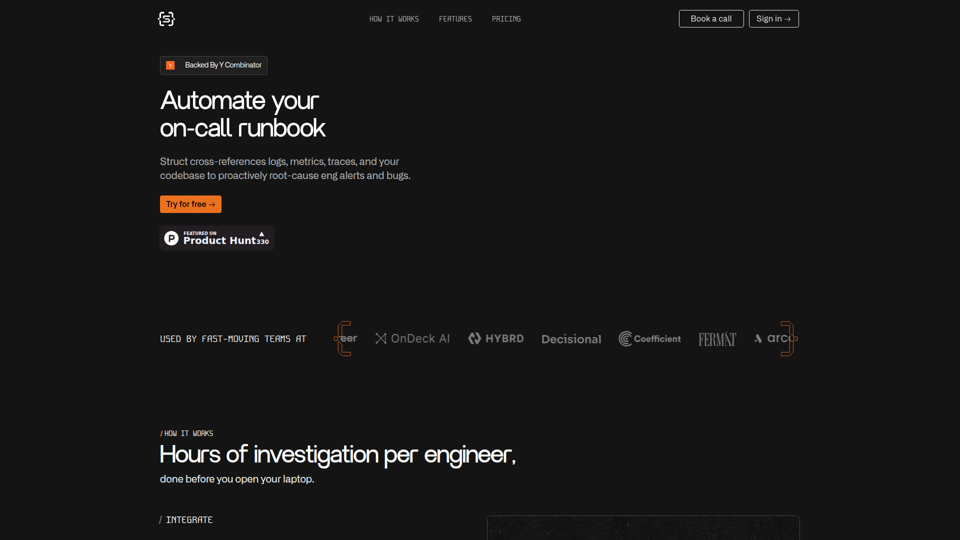
Struct | Automate your on-call runbook
Struct is an AI on-call agent that investigates engineering alerts and bugs by analyzing logs, metrics, traces, and codebases, mainly for software engineers and SRE teams. In the AI era, it helps incident responders shorten triage time by delivering root-cause findings and suggested fixes directly in workflows.
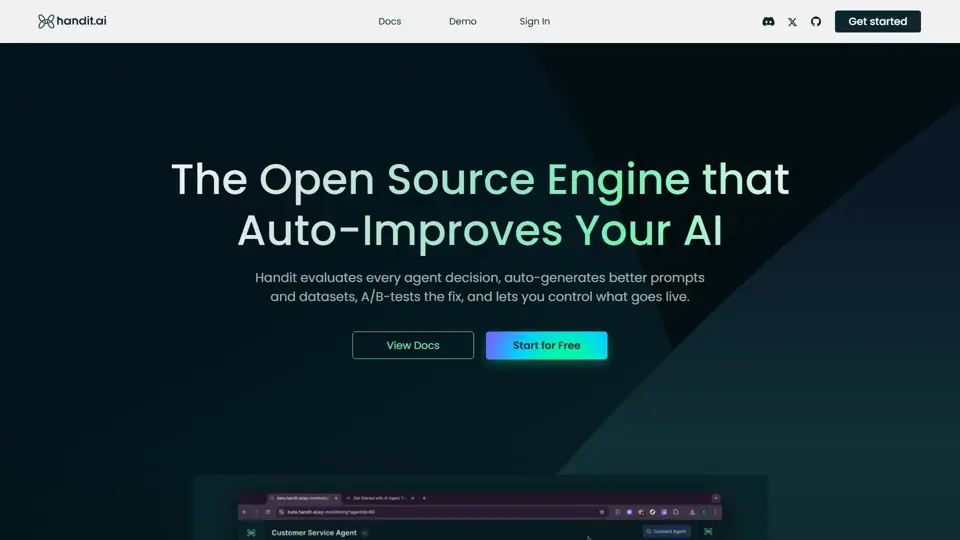
Handit.ai — The Open Source Engine that Auto-Improves Your AI Agents
Handit.ai is an open-source optimization engine that evaluates AI agent decisions, generates improved prompts and datasets, and A/B tests changes for teams building and operating AI agents. It helps AI engineers and product teams improve agent quality faster while keeping tighter control over production behavior.
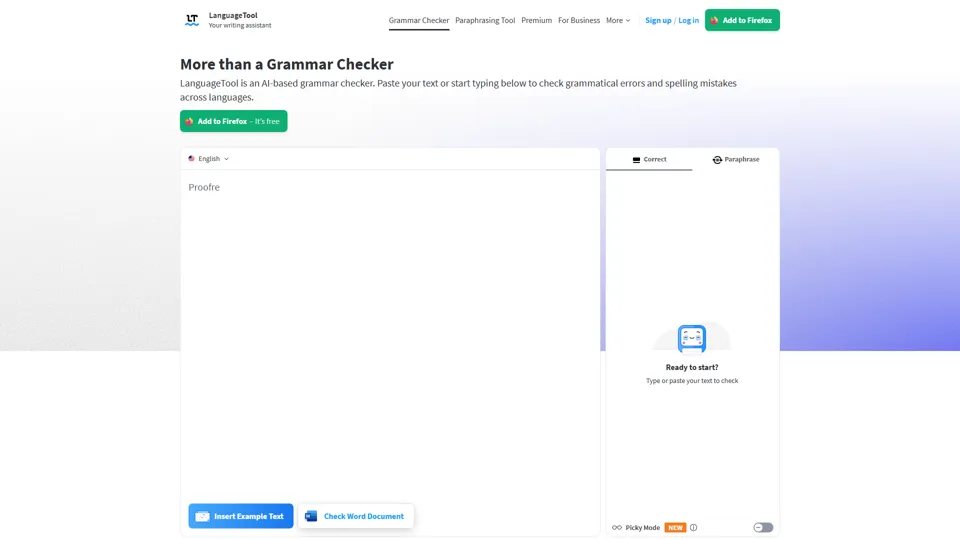
Free AI Grammar Checker - LanguageTool
LanguageTool is an AI-powered grammar and writing assistant that helps users check grammar, spelling, punctuation, and style across more than 30 languages, mainly for students, professionals, and multilingual teams. It helps writing-heavy roles communicate more clearly and edit faster at scale.
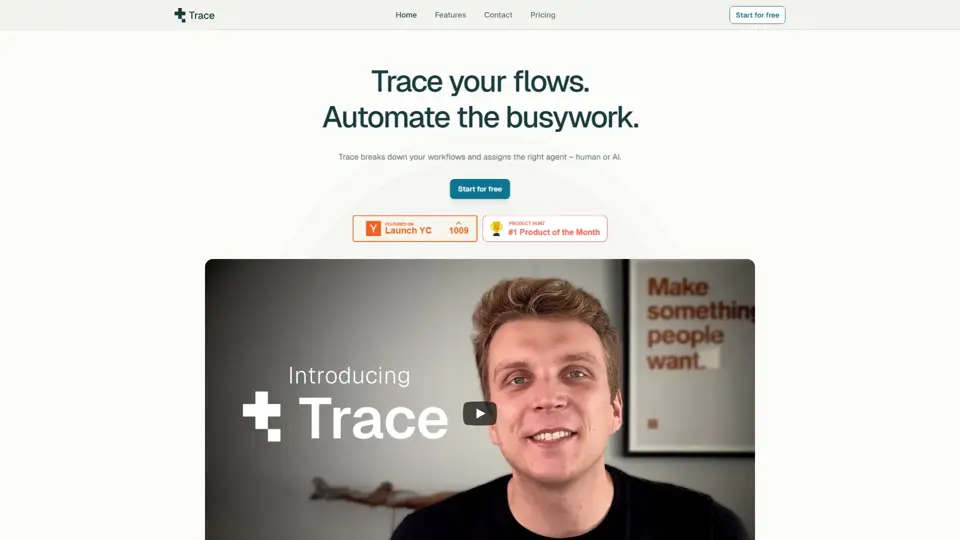
Trace
Trace is a software tool designed to support digital workflows, likely focused on helping teams organize, monitor, or analyze work more effectively. In the AI era, tools that centralize operational visibility help technical and business roles make faster decisions with less manual follow-up.
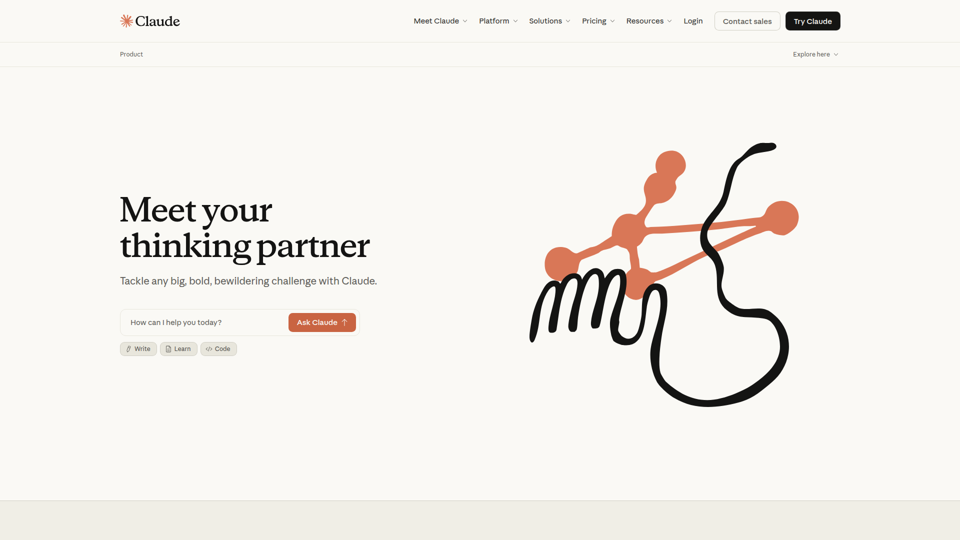
The AI for Problem Solvers | Claude by Anthropic
Claude by Anthropic is an AI assistant for problem solvers that helps users tackle complex work such as writing, coding, data analysis, research, and organizing tasks, mainly for professionals, developers, and teams handling difficult projects. In AI-enabled workflows, it can help knowledge workers and software teams move faster from analysis to execution while keeping people in control of approvals and file access.