
Average Score
Total Votes
Select your score (1-10):
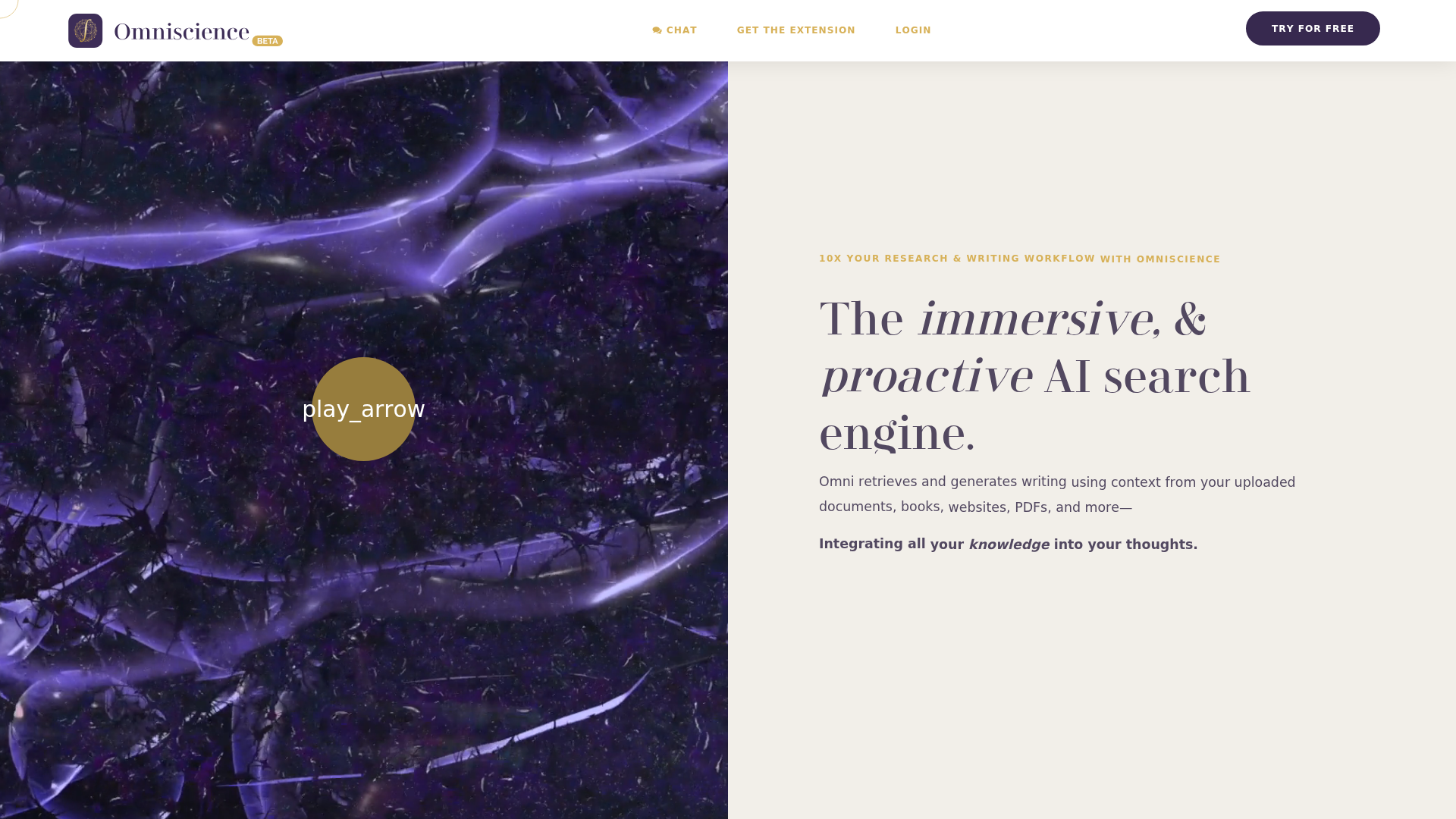
Omniscience, presented as Omni, is an AI-powered research and writing tool built to generate text using context from a user’s own materials. It is designed for people whose work depends on synthesizing information across documents, books, websites, PDFs, meeting transcripts, and internal knowledge sources rather than relying on generic AI outputs.
The product appears positioned as a context-aware AI search and writing layer for knowledge work. Its core workflow centers on importing content, retrieving relevant passages directly inside the browser while a user reads or writes, and using those sources to support drafting, research, literature review, citation gathering, and reuse of prior team knowledge.
Within the OpenClaw ecosystem, Omniscience could likely support skills focused on research synthesis, knowledge retrieval, and evidence-backed drafting. A useful OpenClaw agent could, for example, take a writing brief, query Omni-indexed materials, assemble supporting excerpts, suggest a structured outline, and return a draft with source-linked claims. The page does not describe a native OpenClaw integration, so this should be treated as a likely workflow concept rather than a confirmed capability.
This combination could be especially valuable for researchers, analysts, content teams, and knowledge-intensive organizations. OpenClaw skills built around Omniscience could likely automate recurring tasks such as literature review preparation, internal knowledge lookups, draft support for long-form writing, and cross-team reuse of prior work. In practice, that could shift teams from fragmented document hunting toward more continuous, context-aware knowledge operations embedded inside everyday writing and research processes.
Share this AI tool on your website or blog by copying and pasting the code below. The embedded widget will automatically update with the latest information.
<iframe src="https://www.aimyflow.com/ai/beta-omnilabs-ai/embed" width="100%" height="400" frameborder="0"></iframe>
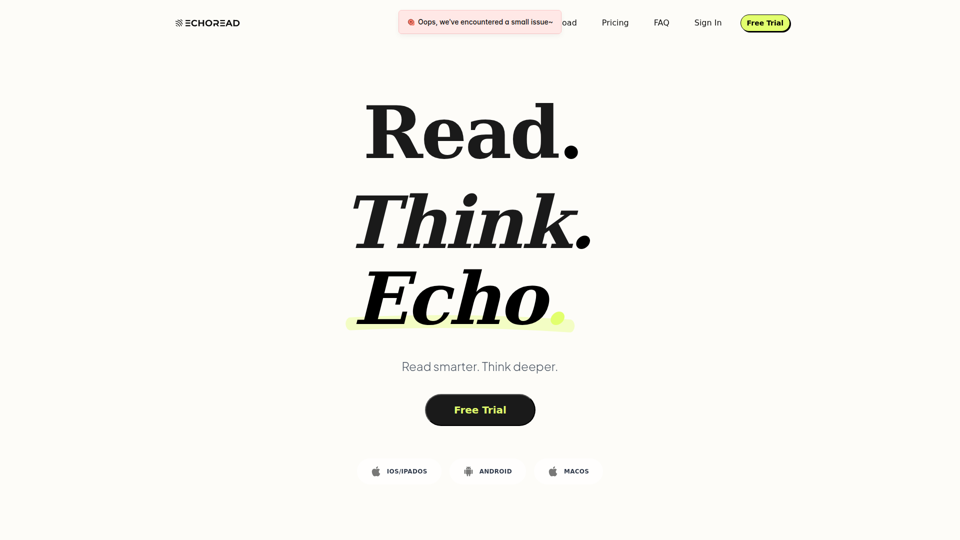
EchoRead is an AI reading companion that helps readers consolidate highlights from sources like Kindle, WeRead, and PDFs into structured notes, mind maps, podcasts, and Q&A, mainly for lifelong learners and knowledge workers who want to turn reading into usable knowledge. For educators, researchers, writers, and other thinking-heavy roles, it can speed synthesis and review by organizing context and supporting deeper learning with AI-guided questioning and recall.
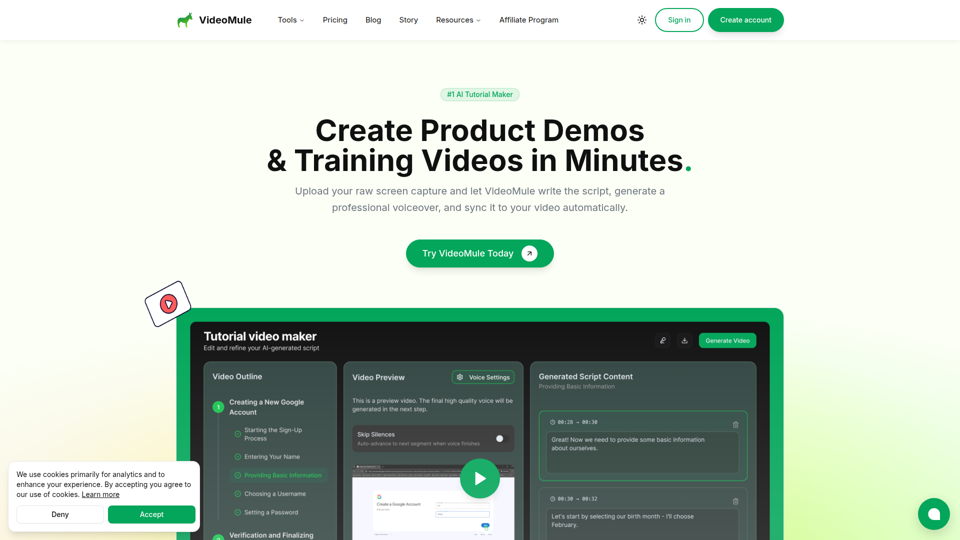
VideoMule is an AI tutorial and product demo video maker that turns raw screen recordings into narrated training videos with automatic script writing, voiceover, subtitles, and syncing, mainly for product marketers, learning and development teams, educators, technical writers, and customer success teams. In AI-assisted content workflows, it can help these teams produce clearer onboarding, documentation, and feature walkthrough videos faster without recording voiceovers manually.
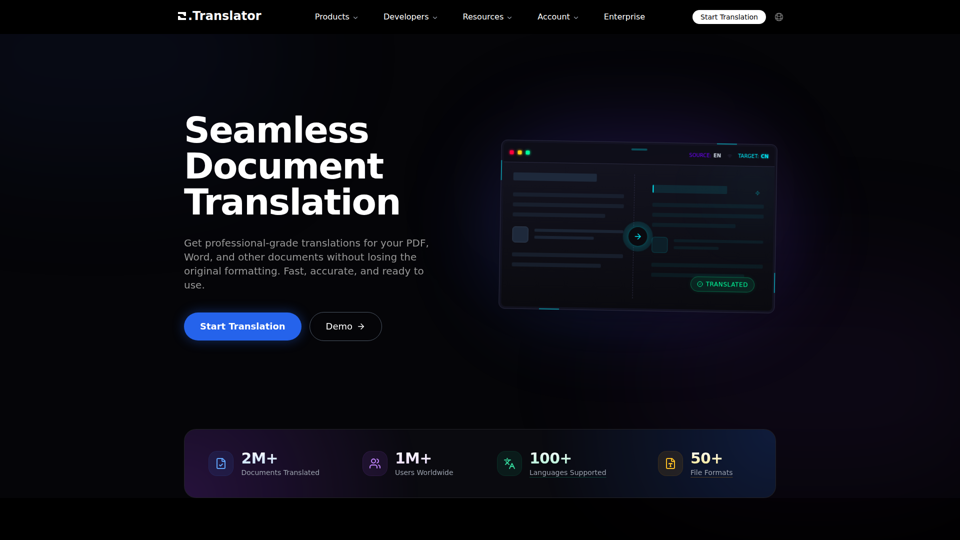
Office Translator is an AI document translation platform that translates PDFs, Word files, EPUBs, and many other formats while preserving original layout and formatting, mainly for professionals and teams handling multilingual documents. For translators, localization teams, and business or academic staff, it can speed cross-language document workflows while maintaining terminology consistency and editable structure.
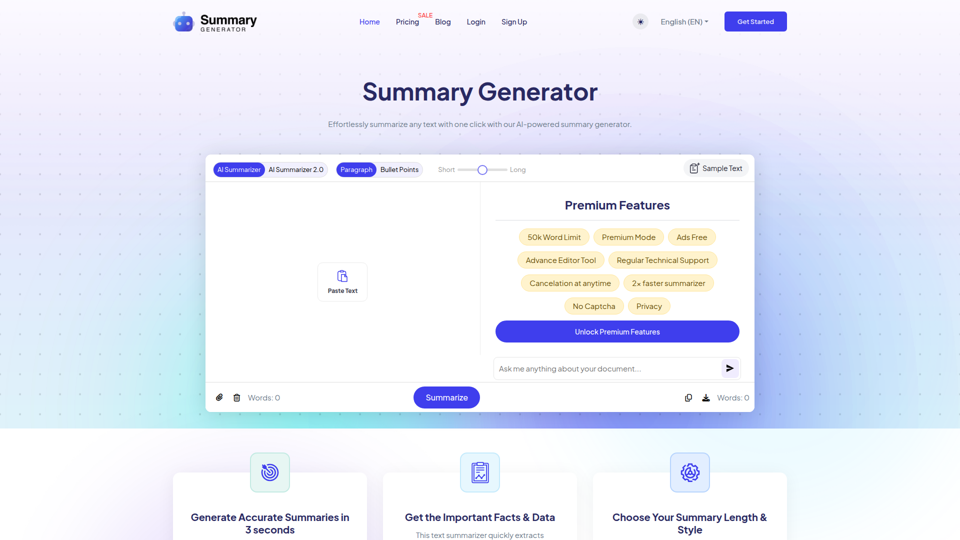
SummaryGenerator.io is an AI text summarizer that condenses pasted or uploaded text into short or long summaries in paragraph or bullet-point form, mainly for students, researchers, writers, and readers reviewing articles, papers, reports, and meeting notes. For research, writing, and content review workflows, it can speed up information triage by surfacing key points and reducing time spent reading dense source material.
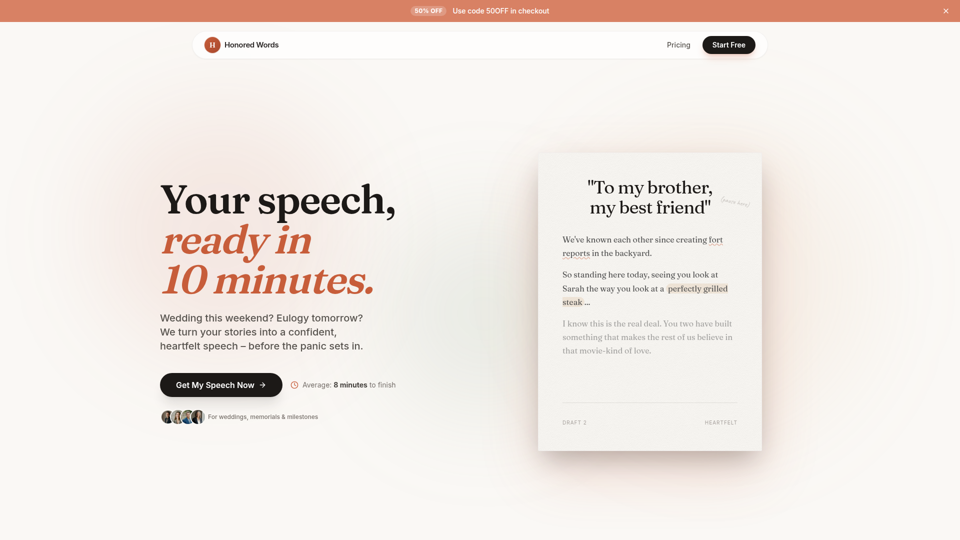
Honored Words is an AI speech-writing tool that helps people quickly create personalized speeches for weddings, memorials, and other milestone events, especially best men, maids of honor, parents, brides, and grooms. By turning specific memories and tone preferences into editable drafts, it helps event speakers produce more authentic, audience-aware remarks with less writing stress.
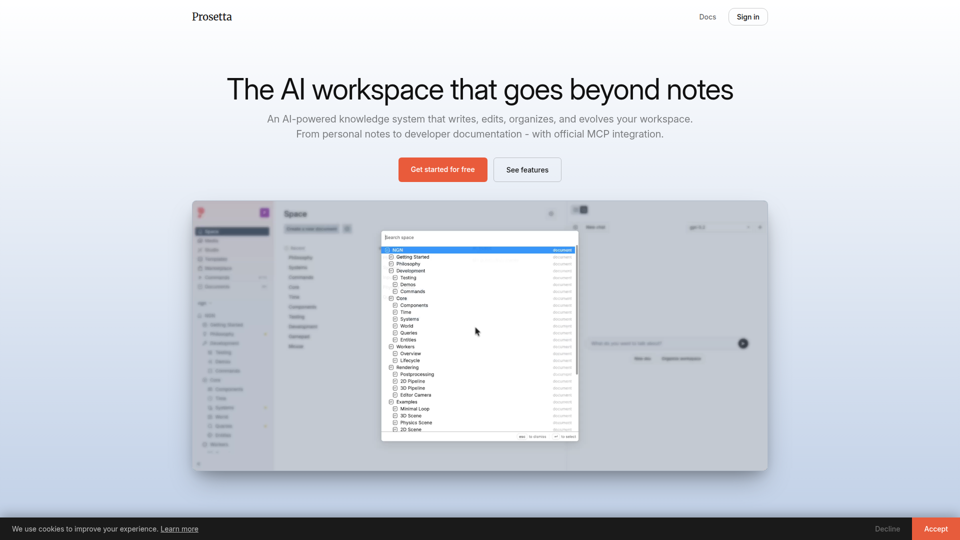
Prosetta is an AI workspace for writing, editing, organizing, and publishing documents, images, and videos in a collaborative knowledge system, aimed mainly at teams, creators, and developers managing notes or documentation. With real-time editing and MCP-based doc updates, it can help technical writers and software teams keep documentation closer to current code and workflows.
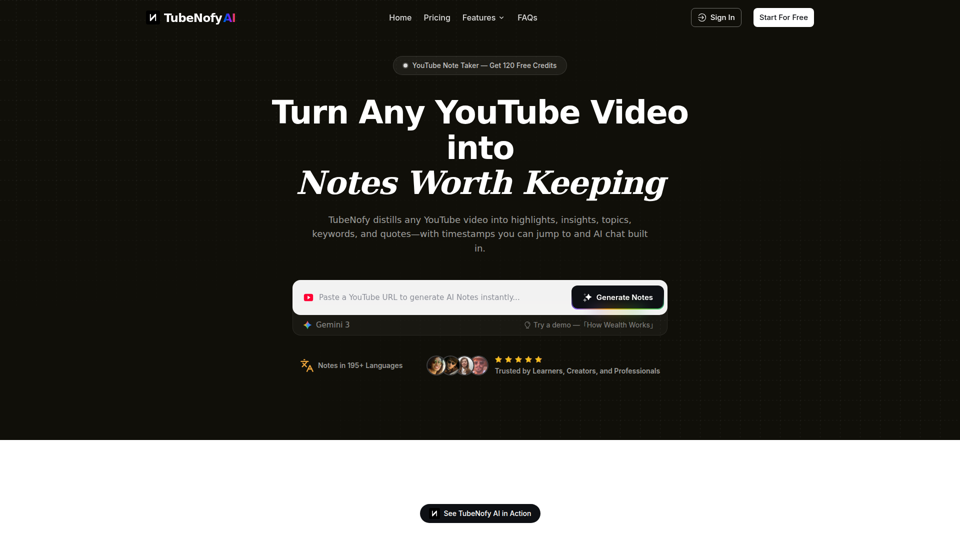
TubeNofy is an AI YouTube note taker that turns videos into structured notes with highlights, insights, keywords, quotes, timestamps, search, and chat, mainly for learners, creators, and professionals who want reusable notes from lectures, interviews, Shorts, and other videos. For researchers, writers, and knowledge workers, it can reduce rewatching and manual note-taking by making video content easier to verify, reference, export, and reuse in everyday workflows.
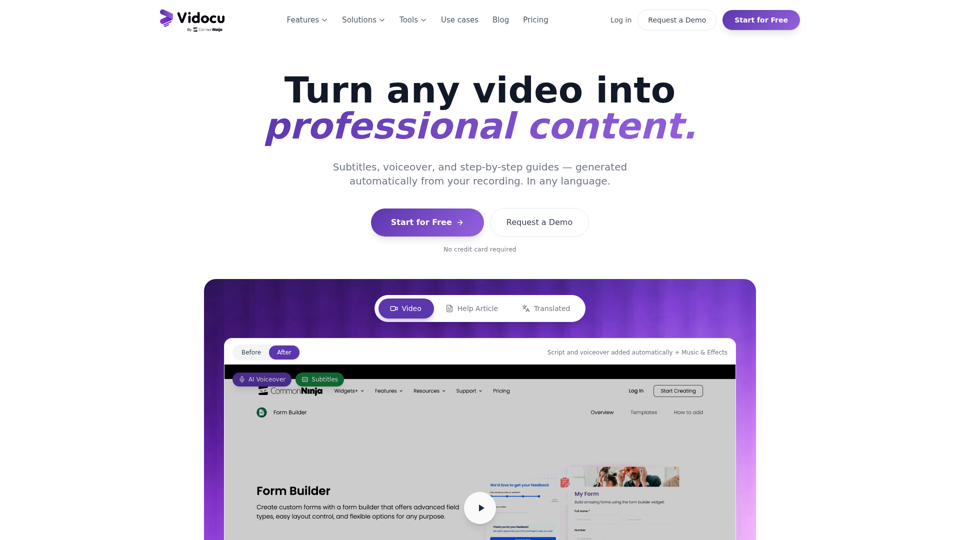
Vidocu is an AI video-to-documentation platform that helps teams turn screen recordings, demos, tutorials, and webinars into subtitles, voiceovers, translated versions, and step-by-step help articles, mainly for support, training, product marketing, and sales enablement workflows. For customer support, training, and content teams, it can reduce manual post-production and make video knowledge easier to publish, localize, and reuse across help centers, blogs, and internal documentation.