
Brainbase Labs
Rate this Tool
Average Score
Total Votes
Select your score (1-10):
Detail Information
What
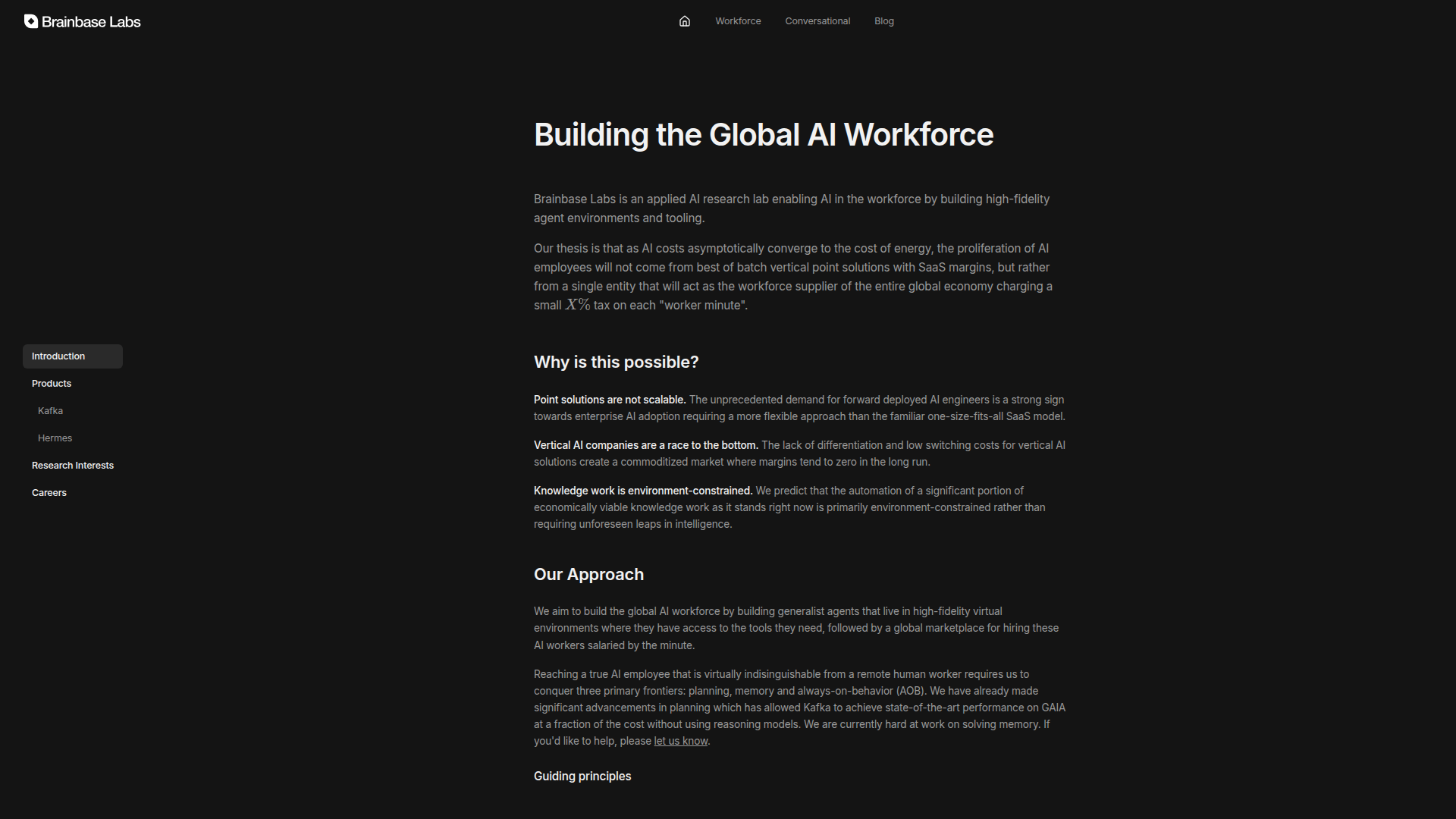
Brainbase Labs is an applied AI research lab focused on building a “global AI workforce.” Its approach centers on generalist AI agents that operate in high-fidelity virtual environments and use human-like tools such as a computer, browser, email, phone number, and communication accounts. The company appears to serve enterprises that want AI workers for knowledge work and high-volume operational tasks.
Its product positioning is broader than a single-purpose SaaS tool. Brainbase describes a workforce model in which AI workers can be hired and charged by the minute, with core research focused on planning, memory, always-on behavior, computer use, and long-term coordination. Current products include Kafka, presented as an AI employee for real-world knowledge tasks, and Hermes, a conversational variant optimized for low-latency, high-volume interactions.
Features
- Human-like AI employee environment: Kafka operates with its own computer and can code, run shell commands, read and write files, and use a browser to complete tasks in a workflow closer to a remote worker than a narrow automation bot.
- Built-in communication channels: Kafka is described as having its own email, phone number, and Slack account, which makes it reachable through common workplace communication methods.
- Generalist task execution: Brainbase positions Kafka as capable of handling real-world knowledge tasks, supported by its emphasis on planning and direct computer use rather than only API-based automation.
- Conversational agent variant: Hermes is a specialized version of Kafka designed for low-latency, high-volume conversational work, making it more suitable for customer interaction or support-like workflows.
- Purpose-built runtime for conversations: Hermes uses a custom Python-derivative language called Based, which Brainbase says is designed for conversational agentic flows to improve reliability, speed, and continuity across many concurrent interactions.
- Research-driven architecture: The product roadmap is tied to work in planning, memory, always-on behavior, high-fidelity environments, and collective memory, indicating a platform shaped by foundational agent research rather than a fixed-feature application.
Helpful Tips
- Evaluate by task environment, not just model quality: This product category is strongest when work depends on navigating real software, communication channels, and multi-step workflows rather than answering isolated prompts.
- Separate use cases for Kafka and Hermes: Kafka appears better suited to broader knowledge work and computer-based execution, while Hermes is more appropriate for structured, high-volume conversational operations.
- Validate operational controls early: The page describes substantial agent autonomy, so teams should examine oversight, escalation, access boundaries, and logging before assigning business-critical tasks.
- Treat research-stage claims carefully: Brainbase shares clear ambition around memory and always-on behavior, but some capabilities are still framed as active research rather than fully established product functionality.
- Check fit with human workflows: Because the company emphasizes human-like agents working in human-designed systems, adoption will likely work best in organizations willing to operationalize AI as a teammate rather than as a hidden background automation layer.
OpenClaw Skills
Within the OpenClaw ecosystem, Brainbase Labs products could likely support skills built around AI-worker orchestration, task delegation, inbox handling, browser-based research, and conversational operations. A likely use case would be an OpenClaw agent that routes work to a Kafka-style worker for computer-use tasks, while using Hermes-style conversational flows for customer-facing or internal triage interactions. The source page does not state a native OpenClaw integration, so this should be treated as a workflow inference rather than a confirmed capability.
This combination could be especially meaningful for operations, support, recruiting, and back-office teams. For example, OpenClaw could coordinate multi-step workflows that involve monitoring requests, assigning them to specialized agents, collecting outputs, and escalating to humans when needed, while Brainbase-style agents perform the execution inside realistic digital work environments. If implemented well, that model could shift AI from isolated chat assistance toward managed digital labor embedded in everyday enterprise work.
Embed Code
Share this AI tool on your website or blog by copying and pasting the code below. The embedded widget will automatically update with the latest information.
<iframe src="https://www.aimyflow.com/ai/brainbaselabs-com/embed" width="100%" height="400" frameborder="0"></iframe>
Explore Similar Tools
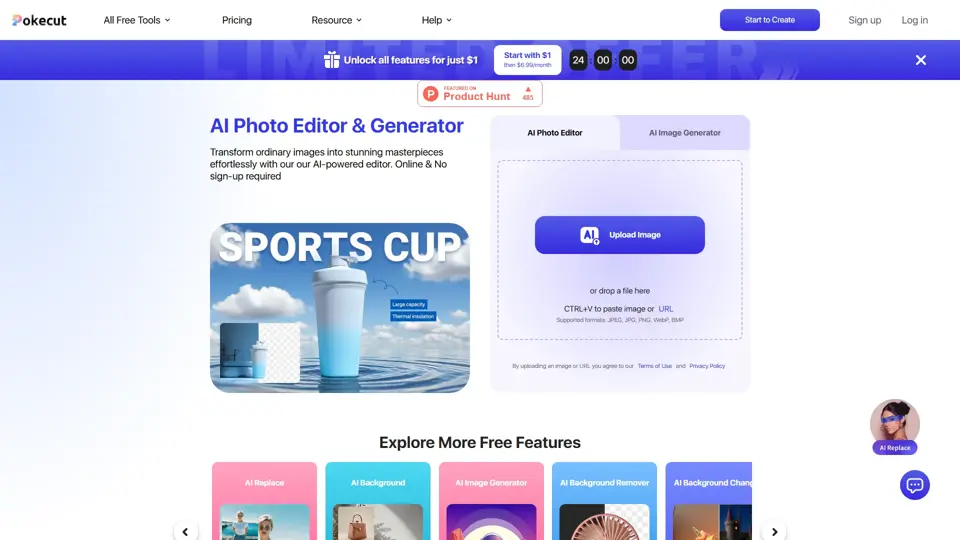
Free AI Photo Editor: Edit & Generate Image Online | Pokecut
Pokecut is an AI photo editor that helps users remove backgrounds, enhance images, and generate visuals online, mainly for ecommerce sellers, marketers, and creators who need quick design-ready assets. It speeds up routine image production so visual teams can create polished content with less manual editing.
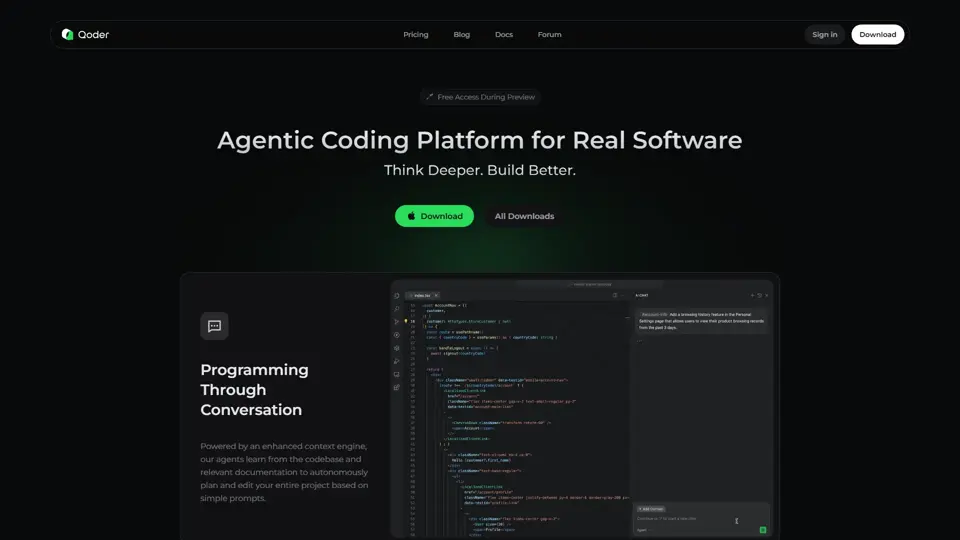
Qoder - The Agentic Coding Platform
Qoder is an agentic coding platform that helps developers understand codebases and execute software tasks with AI agents, mainly for professional software engineers and development teams. It improves engineering throughput by combining strong code context with advanced models for more reliable task completion.

Seedance 2.0
Seedance 2.0 is ByteDance's AI video generation model designed to create high-quality videos from prompts and multimodal inputs, mainly for creators, developers, and media teams. In the AI era, it helps visual content roles turn ideas into production-ready motion assets with far less manual editing effort.
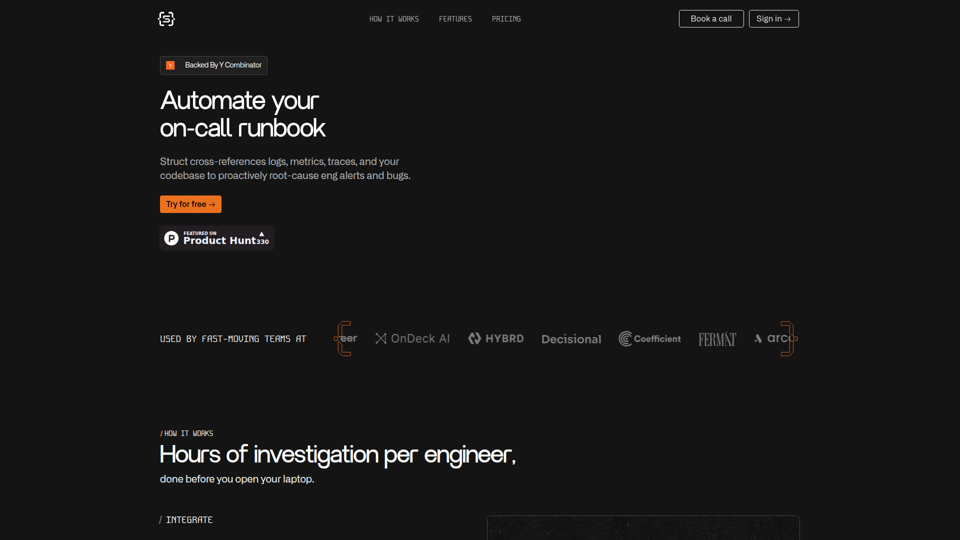
Struct | Automate your on-call runbook
Struct is an AI on-call agent that investigates engineering alerts and bugs by analyzing logs, metrics, traces, and codebases, mainly for software engineers and SRE teams. In the AI era, it helps incident responders shorten triage time by delivering root-cause findings and suggested fixes directly in workflows.
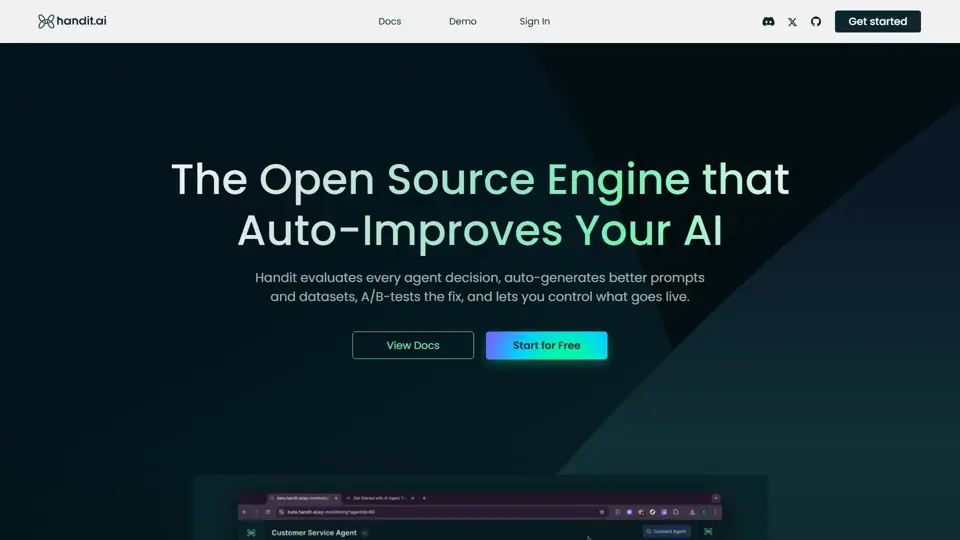
Handit.ai — The Open Source Engine that Auto-Improves Your AI Agents
Handit.ai is an open-source optimization engine that evaluates AI agent decisions, generates improved prompts and datasets, and A/B tests changes for teams building and operating AI agents. It helps AI engineers and product teams improve agent quality faster while keeping tighter control over production behavior.
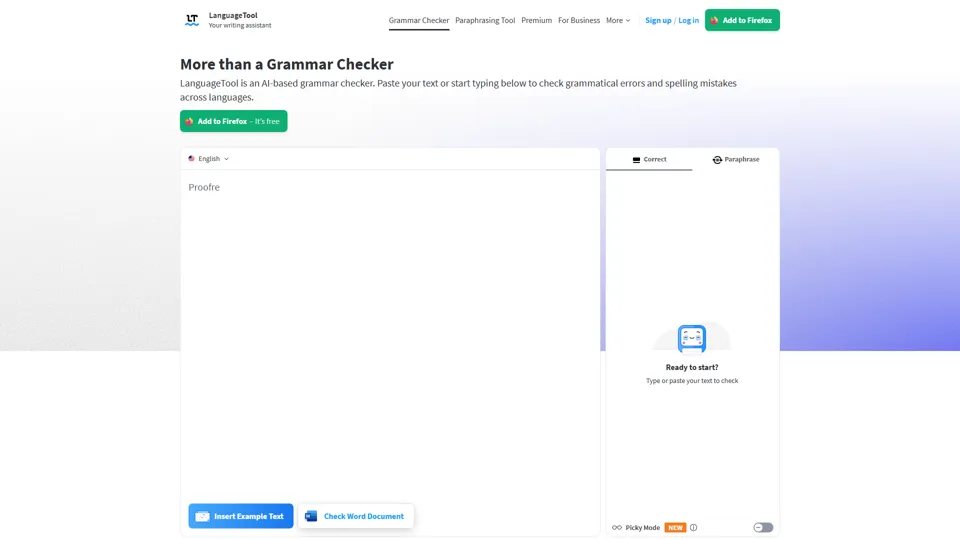
Free AI Grammar Checker - LanguageTool
LanguageTool is an AI-powered grammar and writing assistant that helps users check grammar, spelling, punctuation, and style across more than 30 languages, mainly for students, professionals, and multilingual teams. It helps writing-heavy roles communicate more clearly and edit faster at scale.
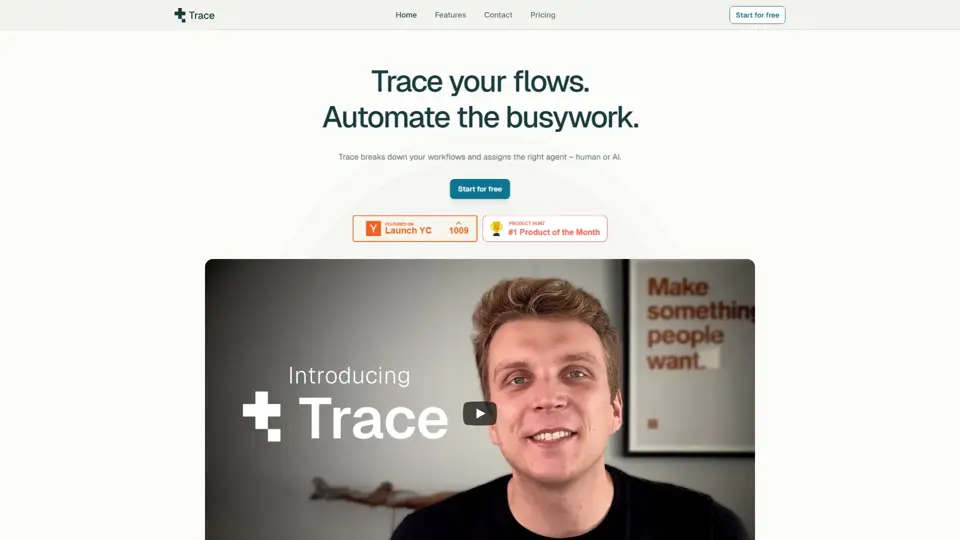
Trace
Trace is a software tool designed to support digital workflows, likely focused on helping teams organize, monitor, or analyze work more effectively. In the AI era, tools that centralize operational visibility help technical and business roles make faster decisions with less manual follow-up.
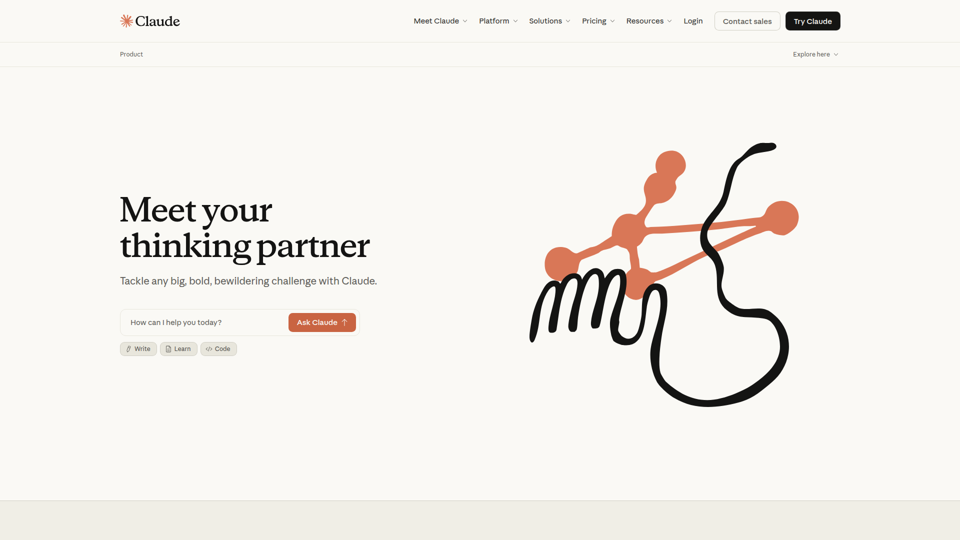
The AI for Problem Solvers | Claude by Anthropic
Claude by Anthropic is an AI assistant for problem solvers that helps users tackle complex work such as writing, coding, data analysis, research, and organizing tasks, mainly for professionals, developers, and teams handling difficult projects. In AI-enabled workflows, it can help knowledge workers and software teams move faster from analysis to execution while keeping people in control of approvals and file access.