
Concourse | AI Agents for Corporate Finance Teams
Rate this Tool
Average Score
Total Votes
Select your score (1-10):
Detail Information
What
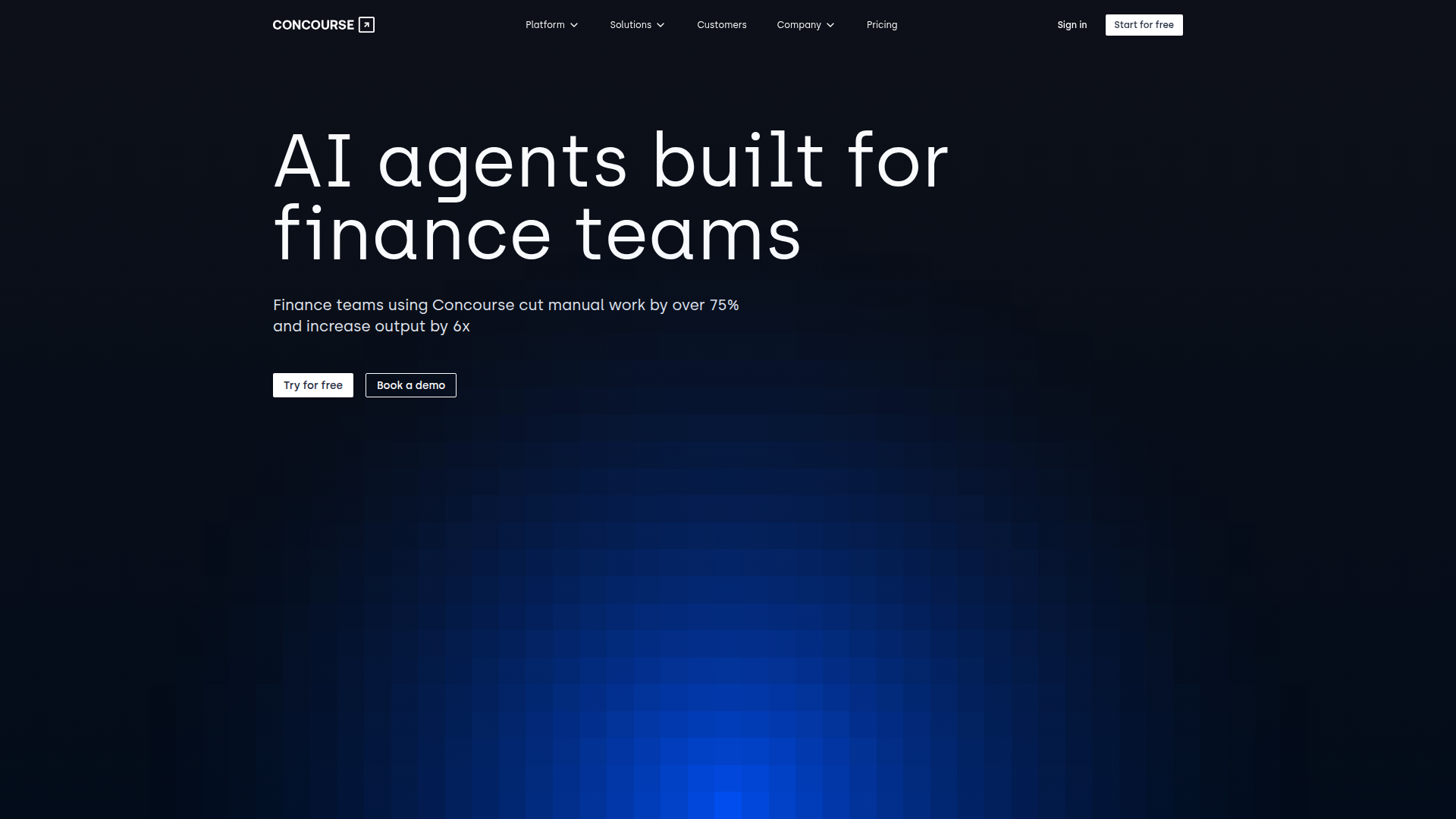
Concourse is an AI agent platform for corporate finance teams. It connects to financial systems such as ERPs, accounting platforms, data warehouses, billing tools, expense systems, and CRMs, then lets users analyze data, generate reports, and run financial workflows through natural language.
The product appears positioned as a finance-specific analytics and workflow automation layer for finance, accounting, and data teams. Its core workflow is to connect existing systems, ask questions in plain English, generate analysis or reporting outputs, and export results into business-ready formats, with a stated emphasis on reducing manual work in processes like variance analysis, forecasting, close support, AR aging, and weekly business reviews.
Features
- Natural-language financial analysis: Users can query connected financial data in plain English to retrieve metrics, explore trends, and iterate on analysis without SQL or manual exports.
- AI reporting workflows: Concourse can generate detailed reports on a recurring cadence, helping teams automate regular reporting tasks and reduce spreadsheet-heavy manual work.
- Forecasting and scenario support: The platform supports projections and forecasting using real-time connected data, which is useful for planning and decision support.
- Auditability of outputs: Results can be traced back to source data, logic, and code, which helps finance teams validate numbers and explain how conclusions were produced.
- Export to business formats: Analysis can be exported into formats such as PDF, Excel, and PowerPoint, making it easier to share outputs in presentation-ready or spreadsheet-based workflows.
- Native financial system connectivity: Concourse offers native connections to systems including NetSuite, QuickBooks, Snowflake, Salesforce, HubSpot, Ramp, and other finance data sources, enabling faster setup on top of existing tools.
Helpful Tips
- Prioritize a narrow first use case: Products like this are typically adopted faster when teams begin with one recurring workflow such as flux analysis, AR aging, or weekly reporting rather than broad platform rollout.
- Validate source mapping early: Since output quality depends on connected system data, finance teams should confirm chart of accounts logic, metric definitions, and source completeness before relying on automated insights.
- Use auditability as a governance checkpoint: For finance and accounting adoption, traceability to source data and calculation logic should be part of the review process for every high-impact report.
- Assess export fit with current reporting habits: If teams still deliver outputs in decks, spreadsheets, and memos, export flexibility matters as much as analytical capability for practical adoption.
- Confirm connector coverage for your stack: The site lists broad native integrations, but buyers should verify the exact systems, entities, and data objects needed for their workflows before implementation.
OpenClaw Skills
Concourse could fit well into the OpenClaw ecosystem as a finance-analysis execution layer for agents that need structured answers from connected financial systems. Likely OpenClaw skills could include “monthly close reviewer,” “board pack drafter,” “AR risk monitor,” “variance investigator,” or “forecast prep agent,” where OpenClaw orchestrates the workflow and Concourse provides the underlying financial analysis, narrative generation, and exports. The website supports natural-language analysis, reporting, forecasting, and exports; any deeper orchestration with OpenClaw would be a likely use case rather than a confirmed native integration.
In practice, this combination could reshape finance operations by turning recurring analytical work into agent-driven routines. An OpenClaw workflow could, for example, trigger a weekly business review packet, ask Concourse for revenue and expense variance explanations, convert findings into a slide-ready summary, and route outputs for review by FP&A or accounting leads. For data teams, OpenClaw could use Concourse as a governed interface for business users, reducing ad hoc request volume while still preserving traceability back to source logic.
Embed Code
Share this AI tool on your website or blog by copying and pasting the code below. The embedded widget will automatically update with the latest information.
<iframe src="https://www.aimyflow.com/ai/concourse-co/embed" width="100%" height="400" frameborder="0"></iframe>
Explore Similar Tools
Report Video Generator | Excel to Video | Data to Video
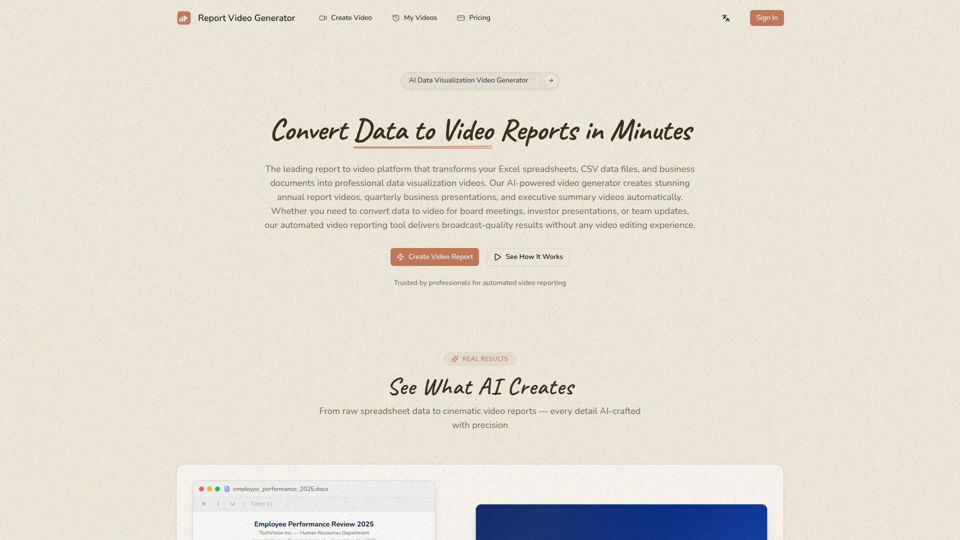
Report Video Generator is an AI-powered platform that converts Excel, CSV, JSON, Word, and PowerPoint files into narrated 1080p data-visualization videos for business professionals creating reports, presentations, and executive briefings. For finance, operations, HR, and leadership teams, it can shorten the path from raw data to a polished presentation by automating chart selection, narrative structure, and video production.
Alguna: Modern Pricing, Quoting & Billing Platform
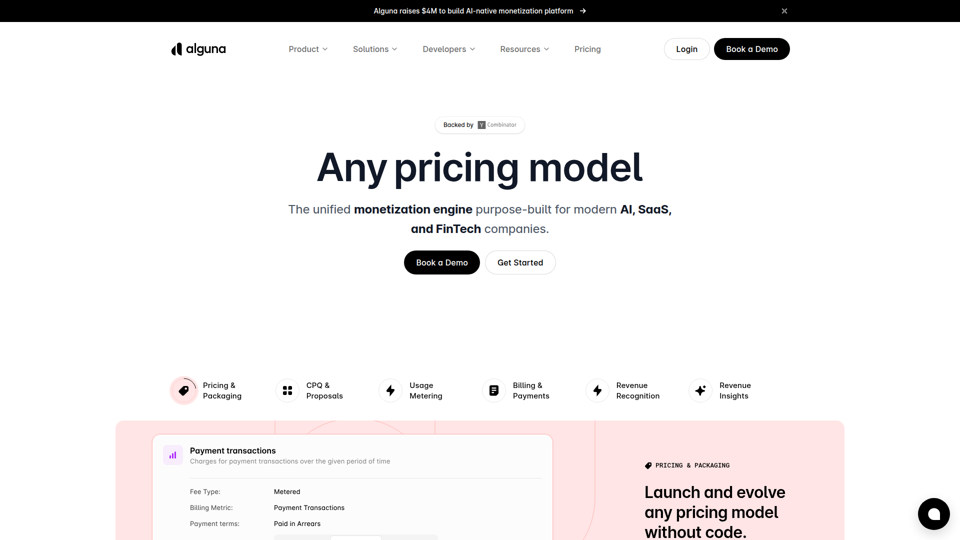
Alguna is an AI-native monetization platform for AI, SaaS, and fintech companies that helps finance, revenue, and sales teams manage pricing and packaging, CPQ, usage metering, billing, invoicing, payments, and revenue recognition in one system. For RevOps and finance functions, it can reduce manual handoffs and speed iteration on usage-based and hybrid pricing as AI products and agent monetization models evolve.

Campfire | The AI-Native ERP
Campfire is an AI-native ERP that helps high-growth finance and accounting teams automate core accounting, revenue automation, reporting, and close management as they scale. For accountants, controllers, and finance operations teams, its AI-driven reconciliations, transaction categorization, and anomaly detection can reduce manual review work and speed up close processes.
Cedalio | Automate Documents and Data with AI
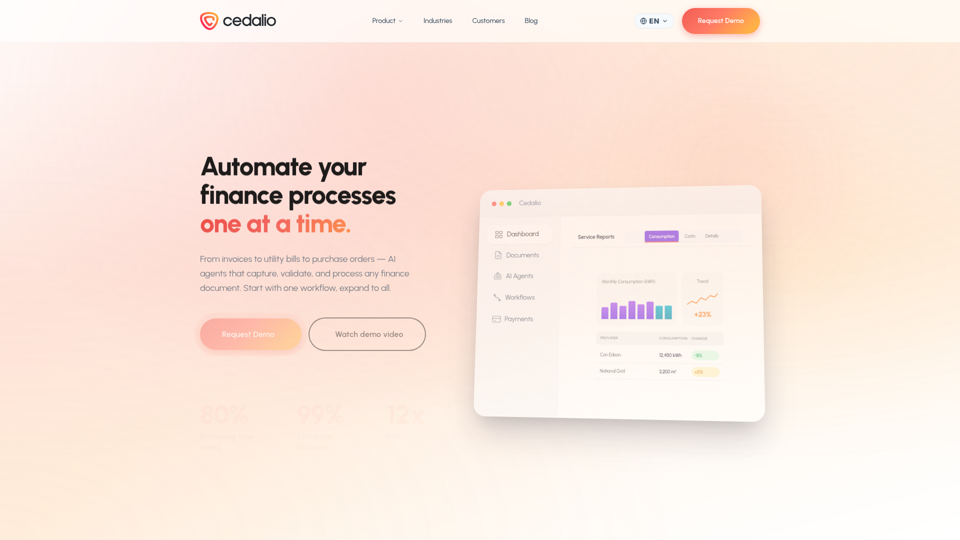
Cedalio is an AI document and data automation platform that helps finance teams, especially accounts payable staff, capture, validate, reconcile, and pay invoices, utility bills, purchase orders, and related finance documents. In AI-driven finance operations, it can reduce manual document handling and give AP analysts and finance managers faster visibility into exceptions, approvals, and payment timing.