
Consensus: AI for Research
Rate this Tool
Average Score
Total Votes
Select your score (1-10):
Detail Information
What
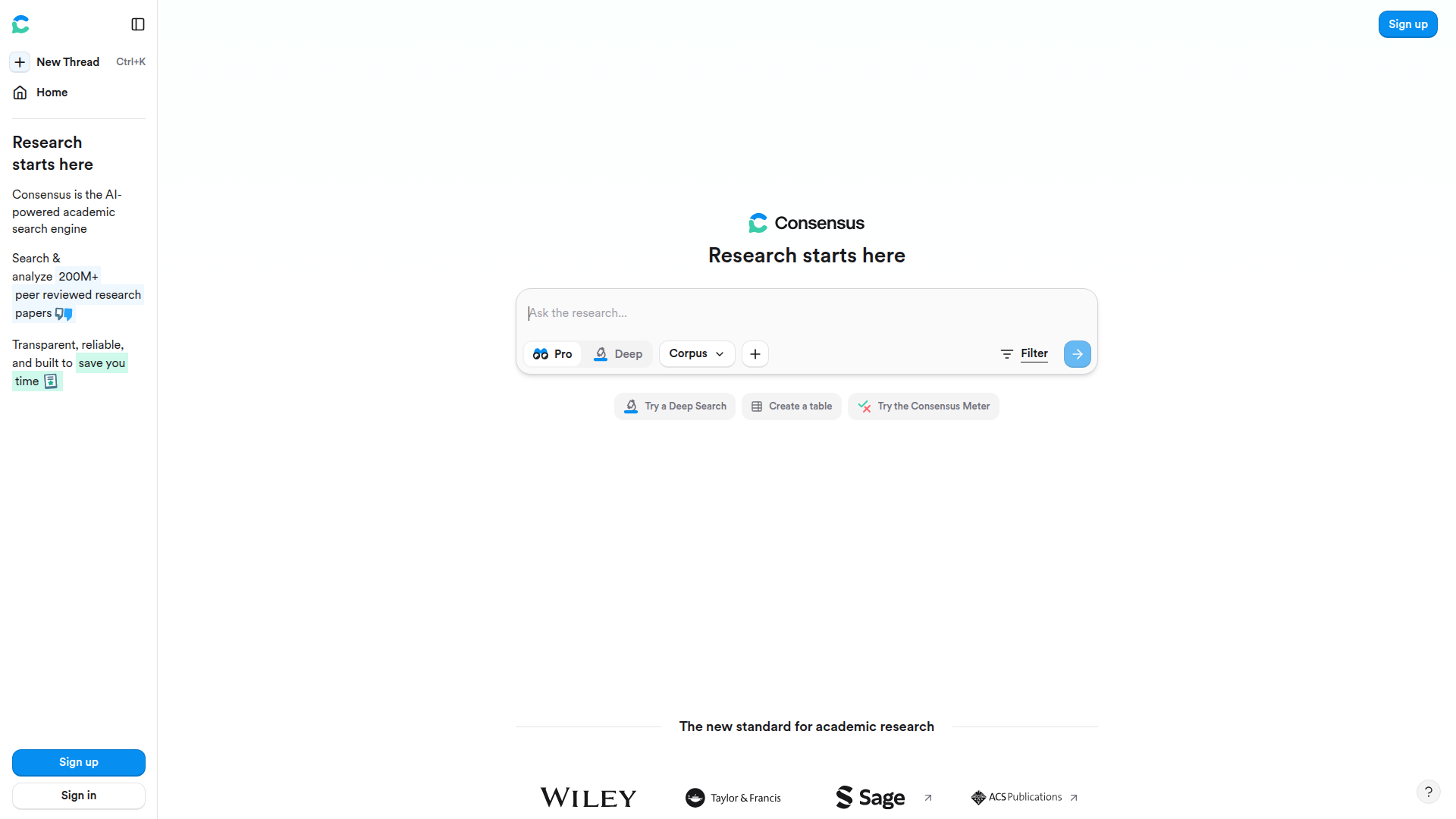
Consensus is an AI-powered academic search engine for finding and analyzing peer-reviewed research literature. It is aimed at researchers, students, clinicians, universities, and organizations that need faster literature review without losing transparency or academic rigor.
The product appears positioned as a research workflow tool that combines large-scale scholarly search with AI-assisted synthesis. Its core workflow centers on searching a large research corpus, refining queries in natural language, exploring evidence quality and disagreement, and summarizing where the literature aligns or conflicts.
Features
- AI-powered academic search: Searches across a large corpus of peer-reviewed research papers to help users find relevant literature more quickly.
- Deep Search for literature review automation: Builds a broader search strategy by expanding key terms, identifying conflicting arguments, and exploring citation relationships to compress review time.
- Consensus Meter: Provides a visual summary of how much the evidence agrees or disagrees when a user asks a clear yes-or-no research question.
- Medical mode: Narrows results to medical sources such as clinical guidelines and articles from major medical journals for faster clinical research and evidence lookup.
- Natural-language filtering: Lets users specify timeframes, populations, study designs, and similar constraints directly in the prompt so filtering is built into the search workflow.
- Research table workflow: The interface references table creation, suggesting a structured way to organize or compare search results, though the page provides limited detail on exactly how this works.
Helpful Tips
- Use tightly framed research questions: The platform seems especially well suited to precise, answerable questions, particularly yes-or-no prompts that can benefit from evidence agreement summaries.
- Treat AI synthesis as a starting point: Even with transparent academic positioning, important decisions should still rely on reviewing the underlying studies, methods, and study designs directly.
- Use study-design constraints early: Natural-language filters for populations, dates, and evidence types can reduce irrelevant results and improve review quality from the start.
- For clinical use, verify source scope: Medical mode is likely valuable for rapid evidence gathering, but teams should confirm whether its included journals and guidelines match their specialty needs.
- Assess fit by workflow depth: Organizations with frequent literature reviews, evidence summaries, or academic search needs are more likely to benefit than teams seeking general web search or broad knowledge management.
OpenClaw Skills
Consensus could fit into the OpenClaw ecosystem as a research-intelligence layer for evidence-heavy workflows. A likely use case would be an OpenClaw agent that turns a business, policy, academic, or clinical question into a structured literature search, then routes the findings into downstream tasks such as evidence briefs, internal memos, policy drafts, or research monitoring.
Another likely use case is a multi-step OpenClaw workflow that combines Consensus search outputs with agents for query refinement, study screening, contradiction mapping, and executive summarization. For researchers, analysts, and medical knowledge workers, that combination could shift work away from manual search iteration toward higher-value interpretation and decision support, although the source page does not confirm any native OpenClaw integration.
Embed Code
Share this AI tool on your website or blog by copying and pasting the code below. The embedded widget will automatically update with the latest information.
<iframe src="https://www.aimyflow.com/ai/consensus-app/embed" width="100%" height="400" frameborder="0"></iframe>
Explore Similar Tools
#1 Free Quizlet Alternative | Knowt
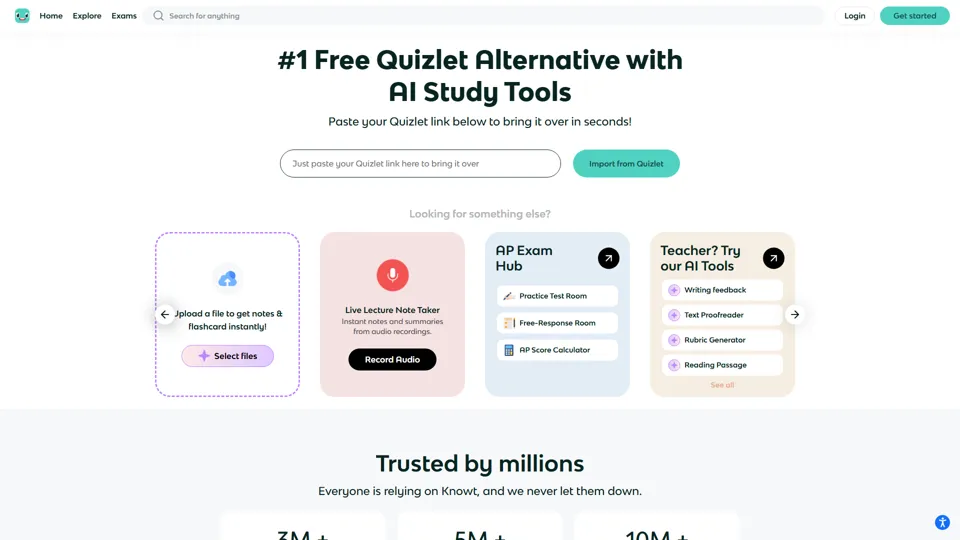
Knowt is a study platform and Quizlet alternative that helps students and teachers create, import, and practice flashcards with multiple study modes. It supports modern learning workflows by making study content easier to reuse, review, and scale across classes.
PDFdigest
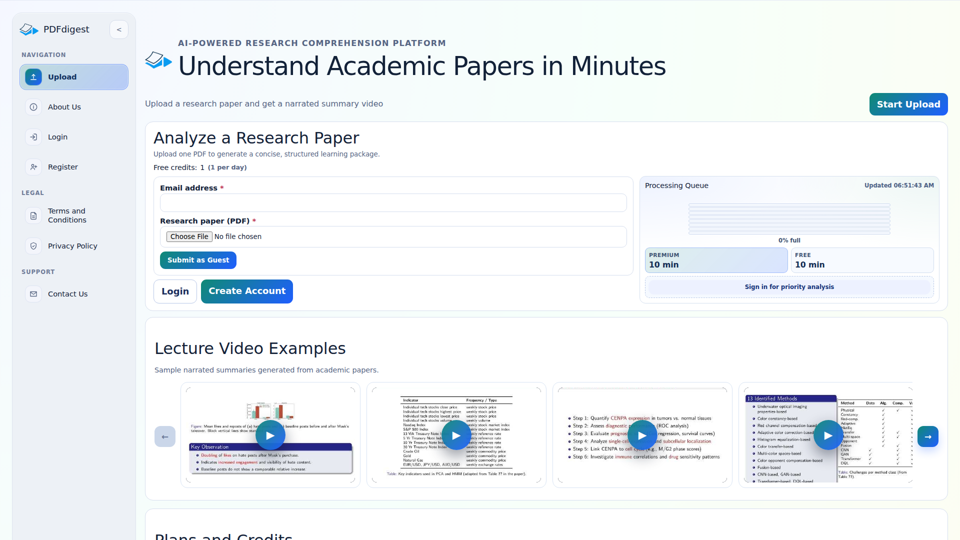
PDFdigest is an AI-powered research comprehension platform that helps users upload academic PDFs and get concise structured explanations and narrated summary videos, mainly for students, researchers, and academics. In AI-enabled research workflows, it can help these professionals review complex papers faster and turn dense findings into more accessible learning materials.
Reedle | Chat with Articles, Ask PDFs, Remember with Flashcards
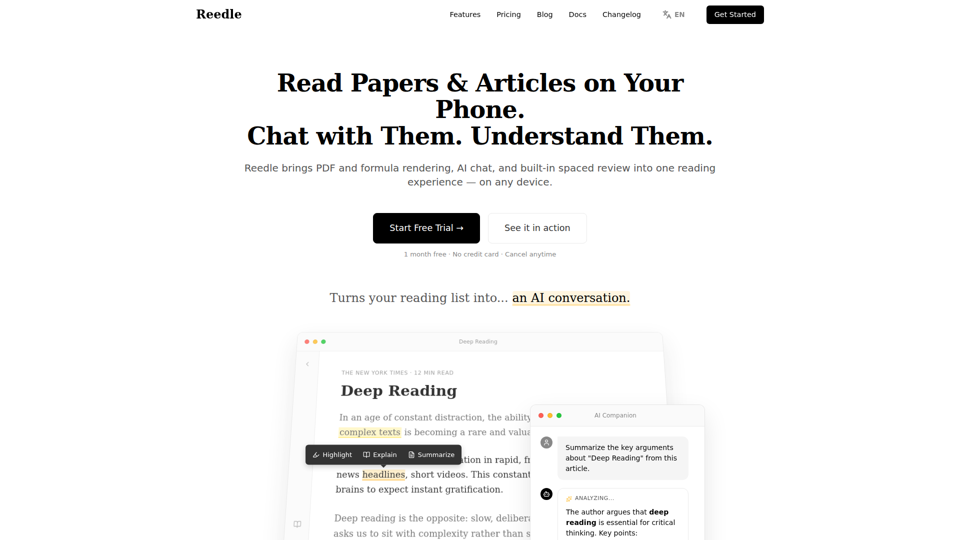
Reedle is an AI reading app for saving, reading, and understanding articles, PDFs, and videos with chat, summaries, translations, and FSRS flashcard review, mainly for researchers, students, and serious readers. For knowledge workers and academics, it can make dense material more useful by turning reading backlogs into searchable, reviewable knowledge across devices.
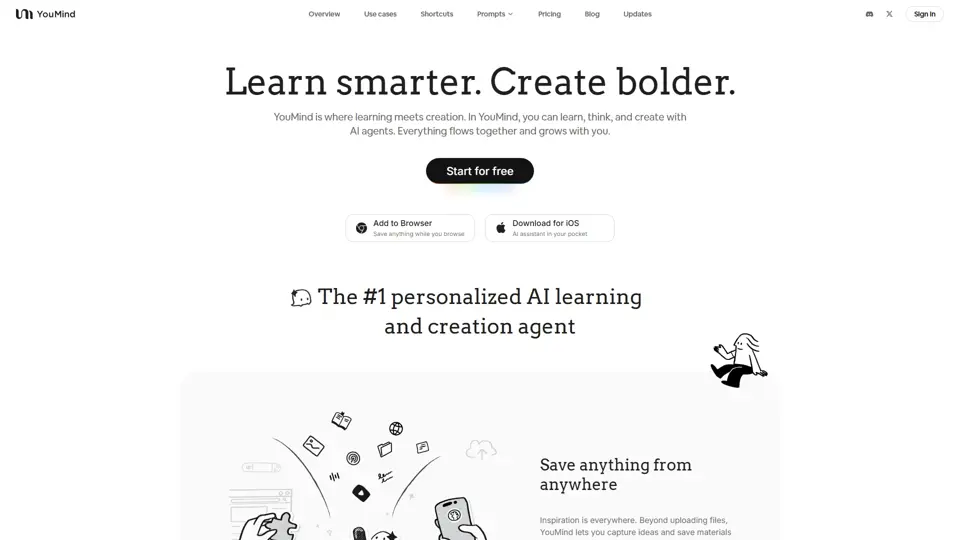
YouMind - AI Creation Agent
YouMind is an AI creation agent that helps users turn diverse source materials into new creative outputs, making it useful for creators, researchers, and knowledge-driven professionals. In the AI era, it accelerates synthesis work so creative roles can move from gathering inputs to producing drafts more quickly.
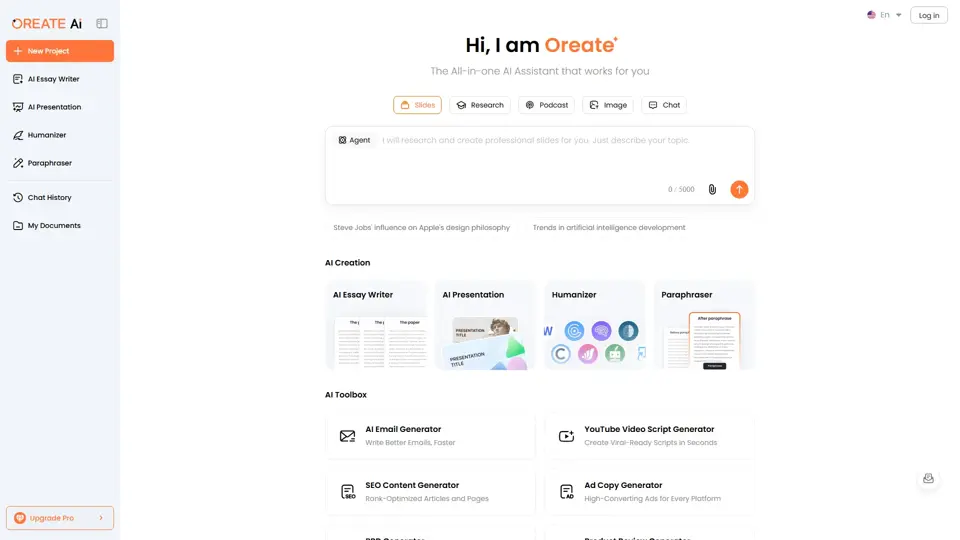
Oreate AI
Oreate AI is an AI paraphrasing and rewriting tool that helps users quickly revise documents with online editing features, mainly for writers, students, and content professionals. It helps content-heavy roles produce cleaner rewrites at scale while reducing the time spent on repetitive wording changes.
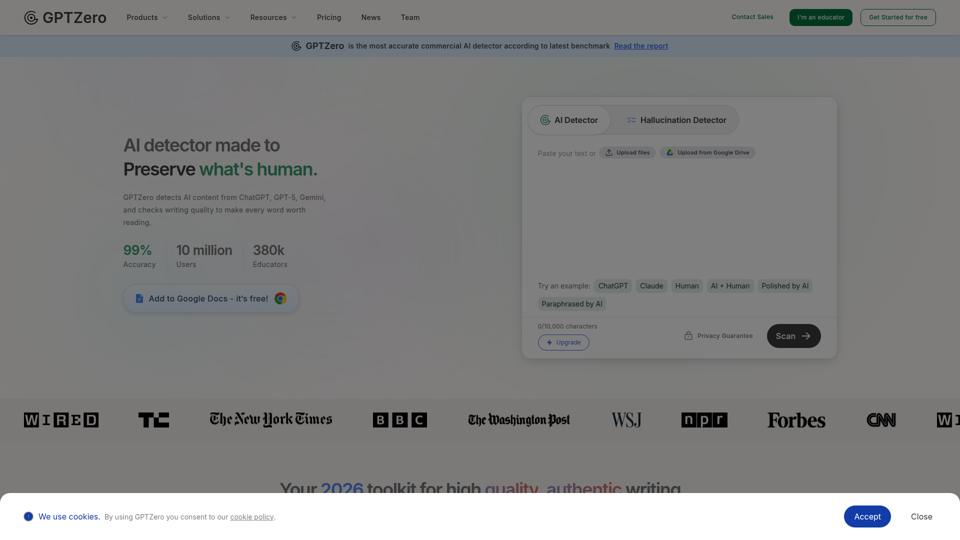
AI Detector - Free AI Checker for ChatGPT, GPT-5 & Gemini
GPTZero is an AI content detection and writing analysis tool that helps users scan text for likely AI-generated content, plagiarism, hallucinated citations, and writing issues, mainly for educators, students, writers, and recruiters. In AI-heavy workflows, it helps teachers, editors, and hiring teams verify authorship and review document quality with more context before making decisions.
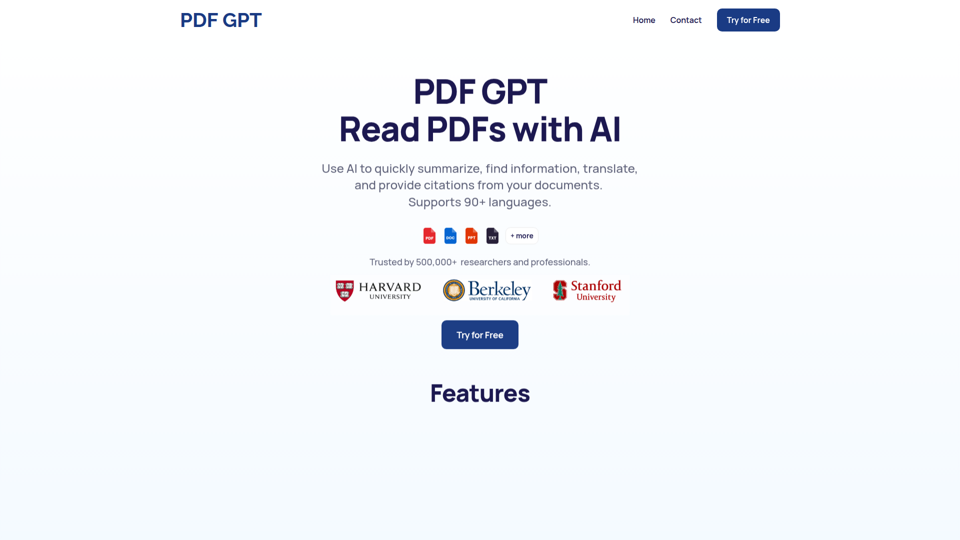
PDF GPT: #1 AI Chat with PDF
PDF GPT is an AI chat tool for PDFs that helps users summarize documents, search across one or multiple files, ask questions, translate content, and get cited answers, mainly for researchers and other professionals working with large document sets. In AI-assisted research and knowledge work, cited responses and cross-document search can help analysts, academics, and similar roles review source material faster while keeping answers tied to specific pages.
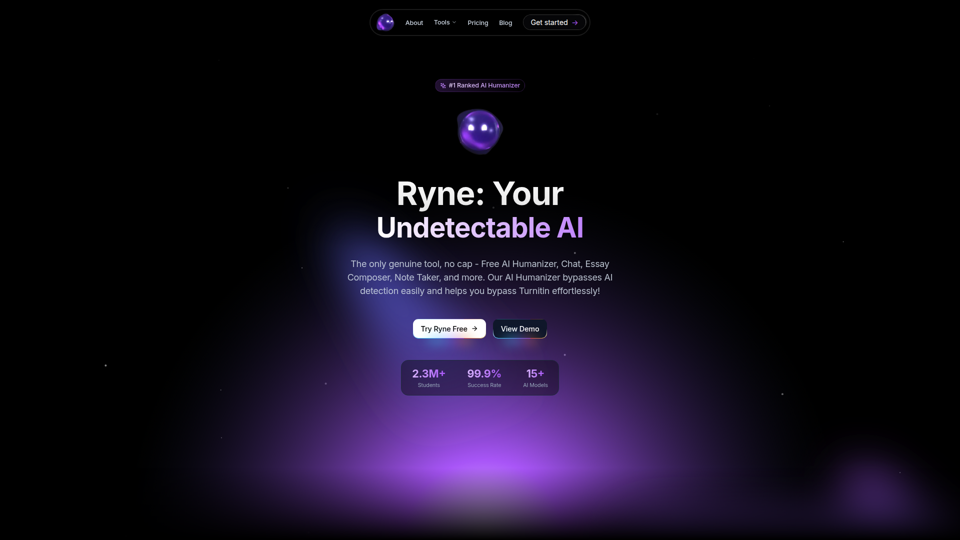
Ryne AI: Best AI Humanizer & AI Detector Bypass - Undetectable Tools
Ryne AI is an academic AI platform for students that humanizes AI-generated text, checks papers with AI-detection and plagiarism reports, and also offers chat, essay composition, and lecture-note tools. For students and academic writers, it can speed drafting and review workflows by pairing generation with detector-style checks before submission.