
Cortex AI — Real-World Data for Embodied AI
Rate this Tool
Average Score
Total Votes
Select your score (1-10):
Detail Information
What
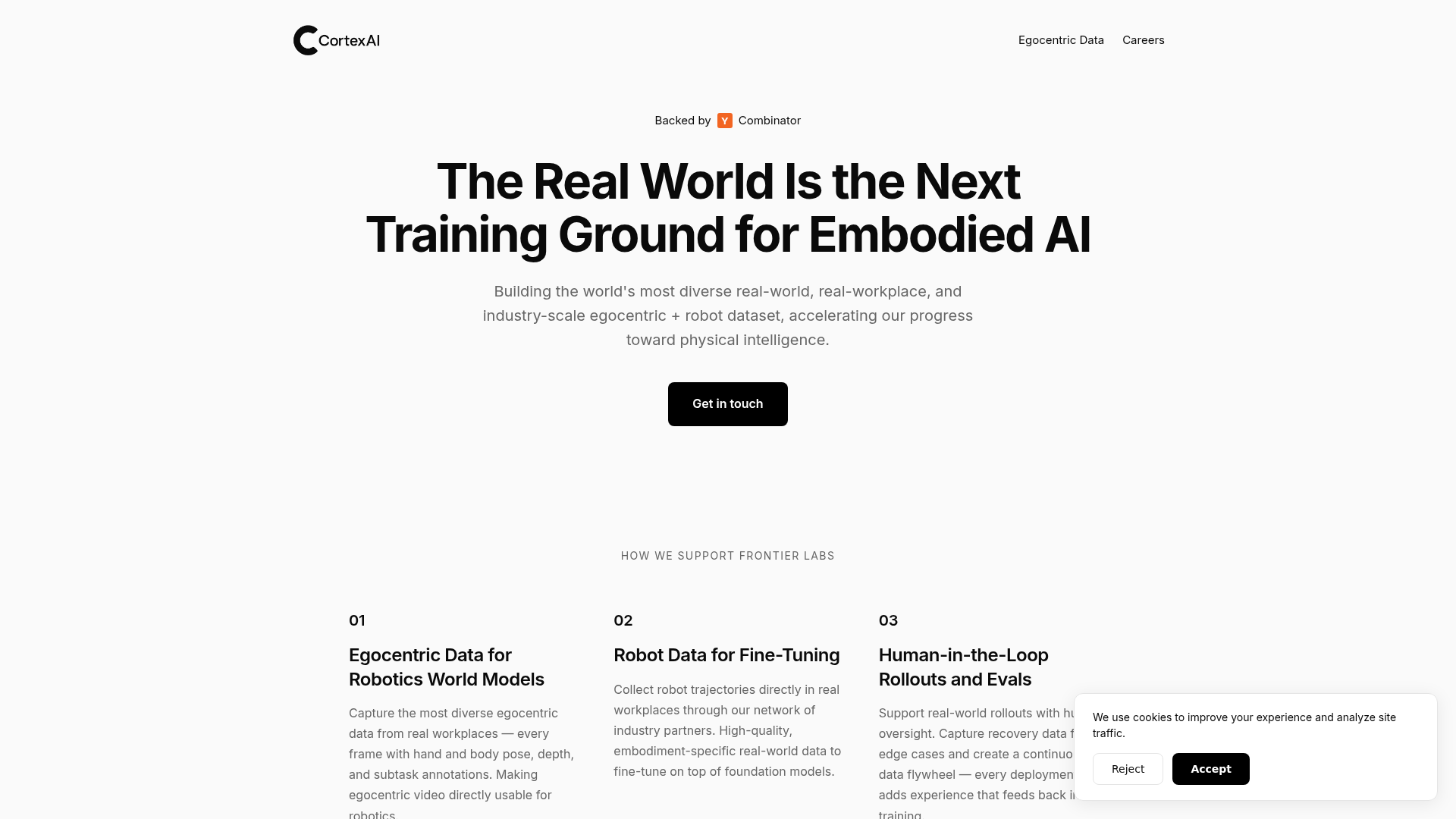
Cortex AI provides real-world data services for embodied AI, with a focus on egocentric and robot data collected in workplaces and industry settings. The site positions the company as a data partner for frontier labs building robotics and physical intelligence systems.
Its core workflow appears to center on collecting and structuring real-world training data, including egocentric video, robot trajectories, and human-in-the-loop rollout data. The product is likely positioned as specialized infrastructure for teams that need high-quality, embodiment-specific datasets to train, fine-tune, and evaluate robotics models in practical environments.
Features
- Egocentric data collection for robotics world models — Captures workplace egocentric video designed to be directly usable for robotics training rather than general video analysis.
- Rich frame-level annotations — Includes hand pose, body pose, depth, and subtask annotations, which can improve data utility for perception and action modeling.
- Robot trajectory collection in real workplaces — Gathers embodiment-specific robot data through industry partners, supporting fine-tuning on top of foundation models.
- Human-in-the-loop rollouts and evaluations — Adds human oversight during real-world deployments, which can help teams monitor behavior and gather feedback safely.
- Recovery data capture for edge cases — Records failure and recovery scenarios during rollouts, supporting iterative improvement on difficult real-world tasks.
- Continuous data flywheel support — Frames deployment data as feedback into training, enabling an ongoing loop between operation, evaluation, and model improvement.
Helpful Tips
- For products in this category, verify how annotation quality is managed across pose, depth, and subtask labels, since downstream robotics performance depends heavily on consistency.
- Confirm whether the collected data matches the target embodiment, environment, and task distribution, because robotics models often transfer poorly across mismatched settings.
- Evaluate how rollout oversight is operationalized in practice, including escalation and recovery procedures, even if the site does not provide those implementation details.
- If comparing vendors, distinguish between raw data supply and end-to-end data operations support; this page suggests both collection and evaluation support, but does not fully specify delivery format or tooling.
- Ask for clarity on dataset access patterns, schema, and update cadence, since the site emphasizes a data flywheel but does not describe technical interfaces.
OpenClaw Skills
Within an OpenClaw ecosystem, Cortex AI would likely be most valuable as an upstream real-world data source for robotics and embodied AI workflows. Likely use cases include skills that ingest egocentric and robot datasets, route them into annotation QA pipelines, generate evaluation sets for edge cases, and trigger retraining or fine-tuning workflows when new rollout data arrives. The site does not state a native integration, so this should be treated as an inferred workflow fit rather than a confirmed connection.
This combination could be especially useful for robotics labs, industrial automation teams, and embodied AI researchers building closed-loop model improvement systems. OpenClaw agents could likely coordinate data intake, experiment tracking, deployment review, and failure analysis around Cortex AI’s datasets, turning raw workplace observations into more systematic model development operations. In practice, that could shift teams from ad hoc field testing toward more structured data-centric iteration for physical intelligence systems.
Embed Code
Share this AI tool on your website or blog by copying and pasting the code below. The embedded widget will automatically update with the latest information.
<iframe src="https://www.aimyflow.com/ai/cortexrobot-ai/embed" width="100%" height="400" frameborder="0"></iframe>
Explore Similar Tools

Free AI Photo Editor: Edit & Generate Image Online | Pokecut
Pokecut is an AI photo editor that helps users remove backgrounds, enhance images, and generate visuals online, mainly for ecommerce sellers, marketers, and creators who need quick design-ready assets. It speeds up routine image production so visual teams can create polished content with less manual editing.
Qoder - The Agentic Coding Platform
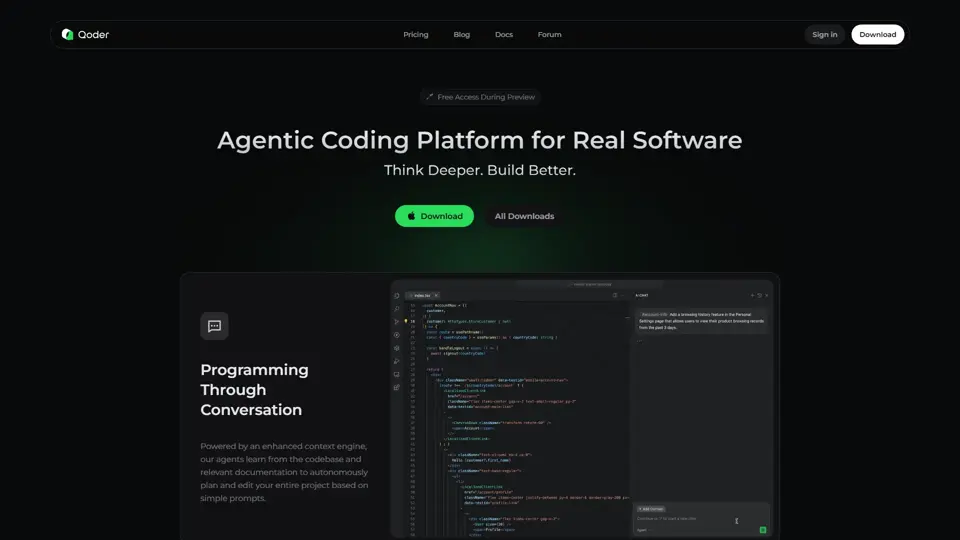
Qoder is an agentic coding platform that helps developers understand codebases and execute software tasks with AI agents, mainly for professional software engineers and development teams. It improves engineering throughput by combining strong code context with advanced models for more reliable task completion.

Seedance 2.0
Seedance 2.0 is ByteDance's AI video generation model designed to create high-quality videos from prompts and multimodal inputs, mainly for creators, developers, and media teams. In the AI era, it helps visual content roles turn ideas into production-ready motion assets with far less manual editing effort.
Struct | Automate your on-call runbook
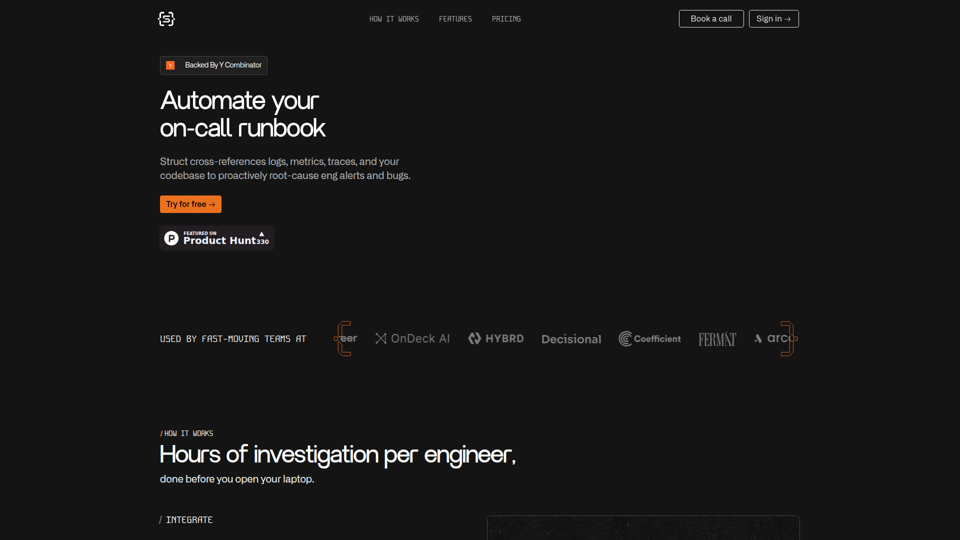
Struct is an AI on-call agent that investigates engineering alerts and bugs by analyzing logs, metrics, traces, and codebases, mainly for software engineers and SRE teams. In the AI era, it helps incident responders shorten triage time by delivering root-cause findings and suggested fixes directly in workflows.
Handit.ai — The Open Source Engine that Auto-Improves Your AI Agents
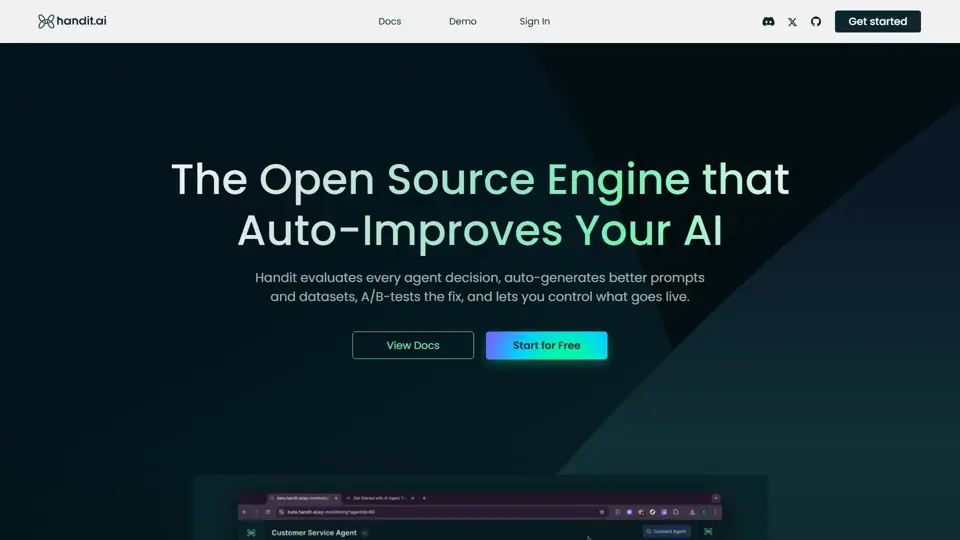
Handit.ai is an open-source optimization engine that evaluates AI agent decisions, generates improved prompts and datasets, and A/B tests changes for teams building and operating AI agents. It helps AI engineers and product teams improve agent quality faster while keeping tighter control over production behavior.
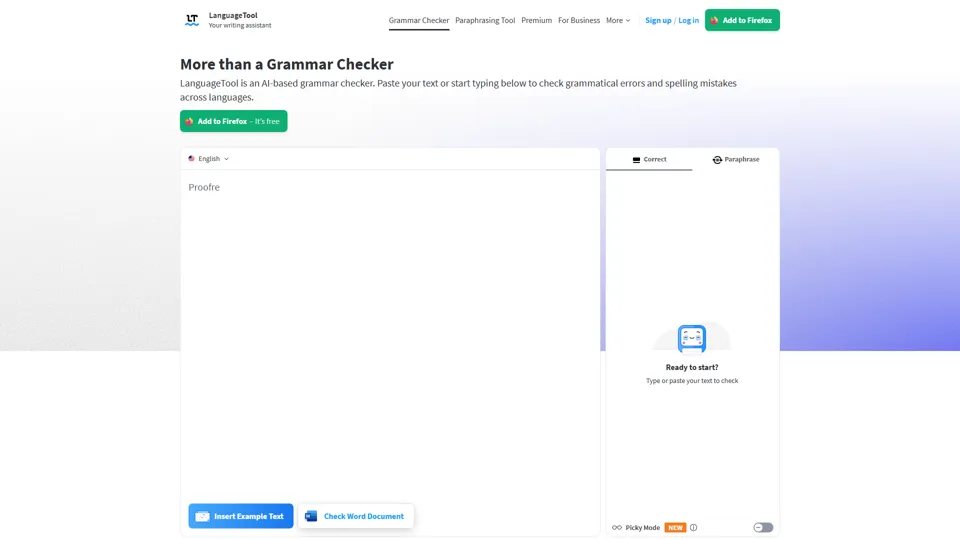
Free AI Grammar Checker - LanguageTool
LanguageTool is an AI-powered grammar and writing assistant that helps users check grammar, spelling, punctuation, and style across more than 30 languages, mainly for students, professionals, and multilingual teams. It helps writing-heavy roles communicate more clearly and edit faster at scale.
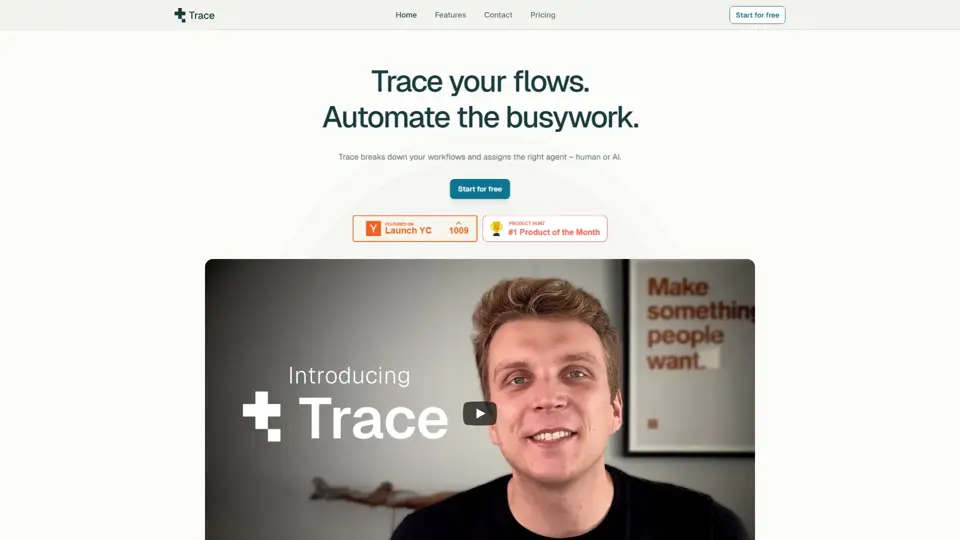
Trace
Trace is a software tool designed to support digital workflows, likely focused on helping teams organize, monitor, or analyze work more effectively. In the AI era, tools that centralize operational visibility help technical and business roles make faster decisions with less manual follow-up.
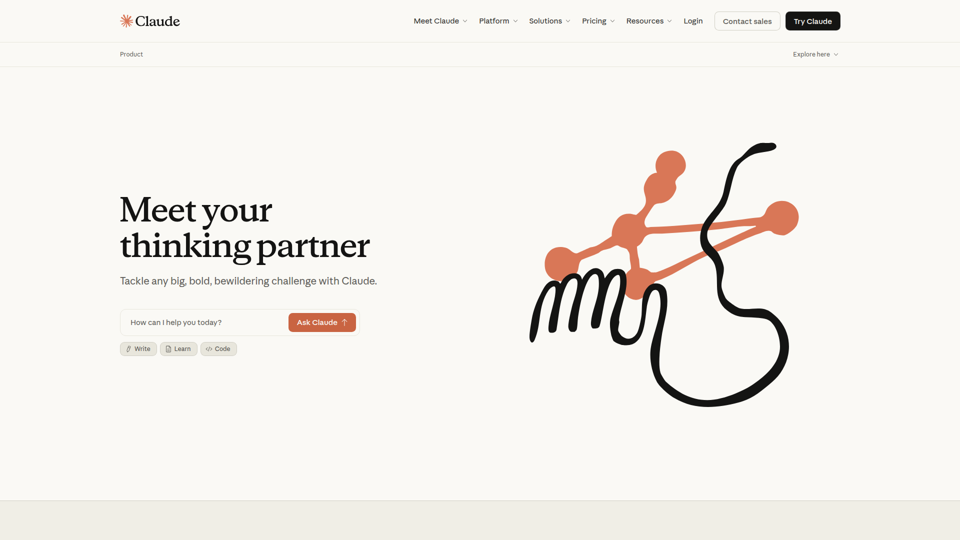
The AI for Problem Solvers | Claude by Anthropic
Claude by Anthropic is an AI assistant for problem solvers that helps users tackle complex work such as writing, coding, data analysis, research, and organizing tasks, mainly for professionals, developers, and teams handling difficult projects. In AI-enabled workflows, it can help knowledge workers and software teams move faster from analysis to execution while keeping people in control of approvals and file access.