
EchoWrite — AI Voice Dictation for Windows
Rate this Tool
Average Score
Total Votes
Select your score (1-10):
Detail Information
What
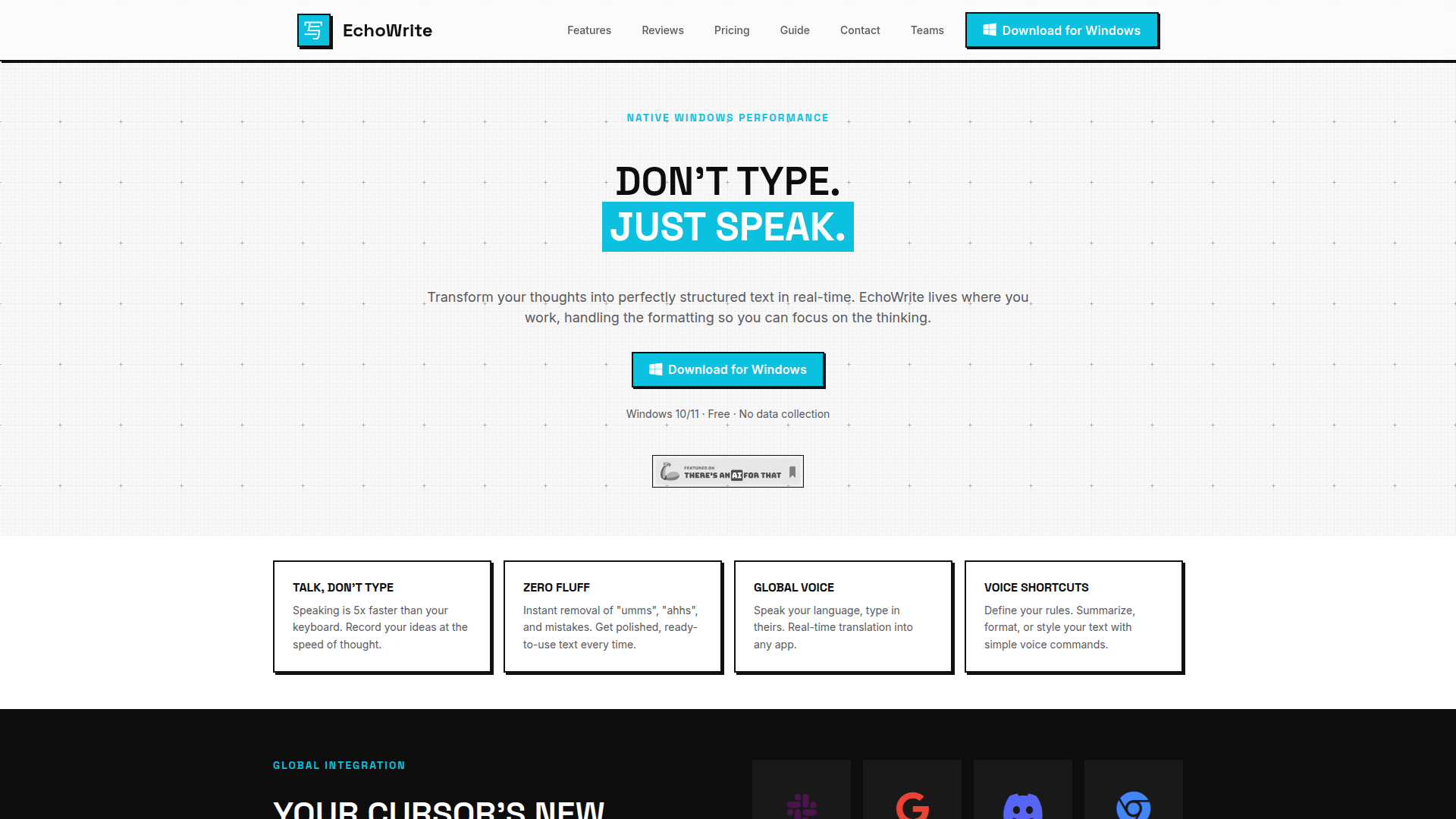
EchoWrite is a Windows voice dictation tool that turns spoken input into formatted text across desktop applications. It is designed for people who work primarily in text-heavy environments, especially developers, writers, and other knowledge workers who want to replace or reduce keyboard input.
The product appears positioned as a native Windows utility rather than a browser-based dictation app. Its core workflow is simple: trigger a global hotkey, speak while staying in the active app, then let EchoWrite transcribe, optionally transform, translate, and insert the resulting text where the cursor is located.
Features
- System-wide dictation on Windows: EchoWrite works across apps where text input is possible, which makes it useful for workflows in tools like editors, chat apps, browsers, and development environments.
- Real-time speech cleanup: It removes filler words and mistakes from spoken input to produce cleaner text that is closer to ready for direct use.
- Custom voice-driven text transformation: Custom prompts let users reshape raw dictation into formats such as summaries, structured documents, or styled outputs.
- Real-time translation into any app: Users can speak in one language and have EchoWrite type the translated result directly into the current application.
- Automatic multilingual detection: The product can detect language changes mid-sentence, reducing setup friction for multilingual users.
- Cloud or local processing choice: Users can either connect their own OpenAI API key or run local models such as Whisper, Llama, or Mistral for offline transcription and text processing.
Helpful Tips
- Assess local hardware before relying on offline mode: Since local transcription and text processing run on the device, performance will likely depend on the available CPU or GPU.
- Map hotkeys to distinct workflows: Teams or individuals using dictation heavily should standardize shortcuts for plain transcription versus prompt-based transformations to reduce friction.
- Validate output quality by use case: Translation, structured writing, and code generation from speech can save time, but outputs should still be reviewed before use in customer-facing, technical, or high-stakes contexts.
- Check app-specific insertion behavior in your environment: System-wide typing utilities often work broadly, but it is still practical to test target apps such as terminals, IDEs, and web forms before wider rollout.
- Compare total cost based on usage pattern: EchoWrite’s bring-your-own-key model may suit users who want control over API spend, while offline mode may be more attractive for privacy-sensitive or disconnected workflows.
OpenClaw Skills
EchoWrite could pair well with OpenClaw as a voice-first input layer for desktop productivity workflows. A likely use case would be OpenClaw skills that take dictated text from EchoWrite and route it into downstream agents for summarization, CRM note creation, support drafting, ticket generation, research logging, or internal documentation. If no native integration is stated, this should be treated as a workflow design opportunity rather than a confirmed built-in connection.
In a broader OpenClaw ecosystem, EchoWrite could enable specialized agents for professions that think faster than they type. Examples might include sales teams dictating call notes into structured pipeline updates, engineers speaking rough implementation ideas that an agent converts into issue tickets or code scaffolds, or consultants producing multilingual client summaries from spoken debriefs. Combined with OpenClaw orchestration, the likely impact is not just faster text entry, but a shift toward voice-captured, agent-structured knowledge work.
Embed Code
Share this AI tool on your website or blog by copying and pasting the code below. The embedded widget will automatically update with the latest information.
<iframe src="https://www.aimyflow.com/ai/echowrite-muware-xyz/embed" width="100%" height="400" frameborder="0"></iframe>
Explore Similar Tools

Free AI Photo Editor: Edit & Generate Image Online | Pokecut
Pokecut is an AI photo editor that helps users remove backgrounds, enhance images, and generate visuals online, mainly for ecommerce sellers, marketers, and creators who need quick design-ready assets. It speeds up routine image production so visual teams can create polished content with less manual editing.
Qoder - The Agentic Coding Platform
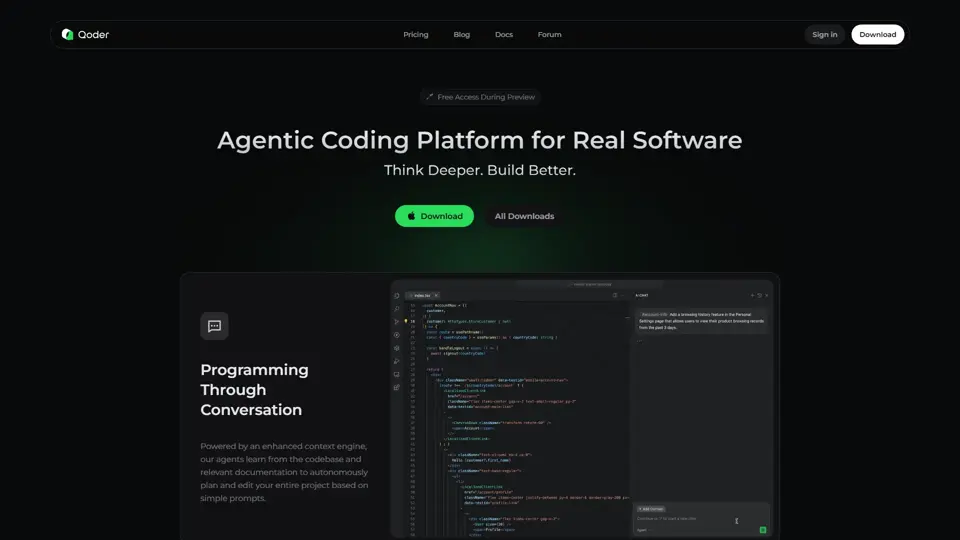
Qoder is an agentic coding platform that helps developers understand codebases and execute software tasks with AI agents, mainly for professional software engineers and development teams. It improves engineering throughput by combining strong code context with advanced models for more reliable task completion.

Seedance 2.0
Seedance 2.0 is ByteDance's AI video generation model designed to create high-quality videos from prompts and multimodal inputs, mainly for creators, developers, and media teams. In the AI era, it helps visual content roles turn ideas into production-ready motion assets with far less manual editing effort.
Struct | Automate your on-call runbook
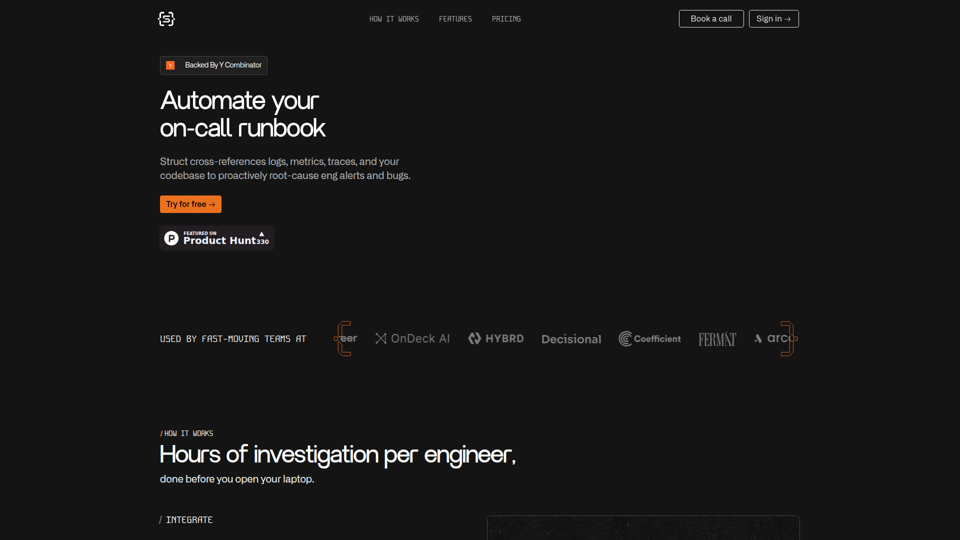
Struct is an AI on-call agent that investigates engineering alerts and bugs by analyzing logs, metrics, traces, and codebases, mainly for software engineers and SRE teams. In the AI era, it helps incident responders shorten triage time by delivering root-cause findings and suggested fixes directly in workflows.
Handit.ai — The Open Source Engine that Auto-Improves Your AI Agents
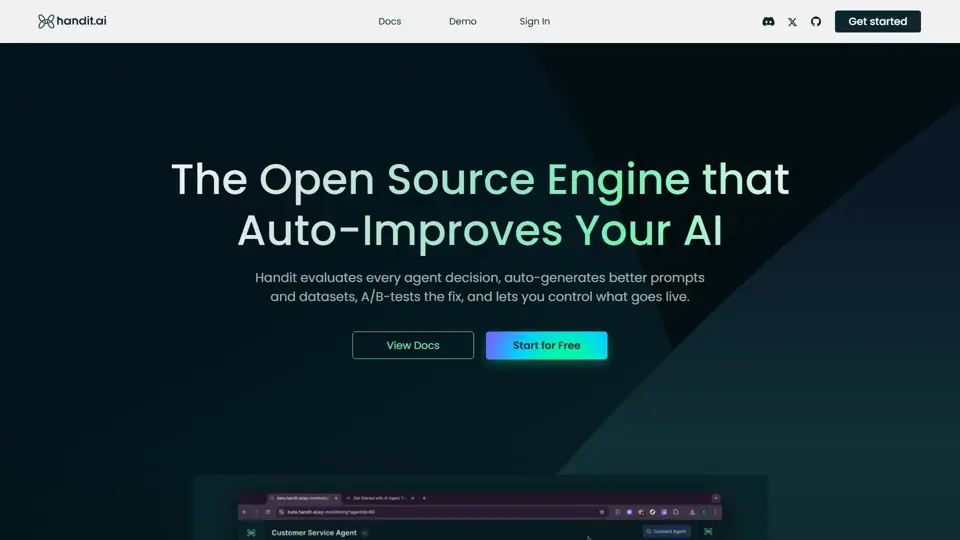
Handit.ai is an open-source optimization engine that evaluates AI agent decisions, generates improved prompts and datasets, and A/B tests changes for teams building and operating AI agents. It helps AI engineers and product teams improve agent quality faster while keeping tighter control over production behavior.
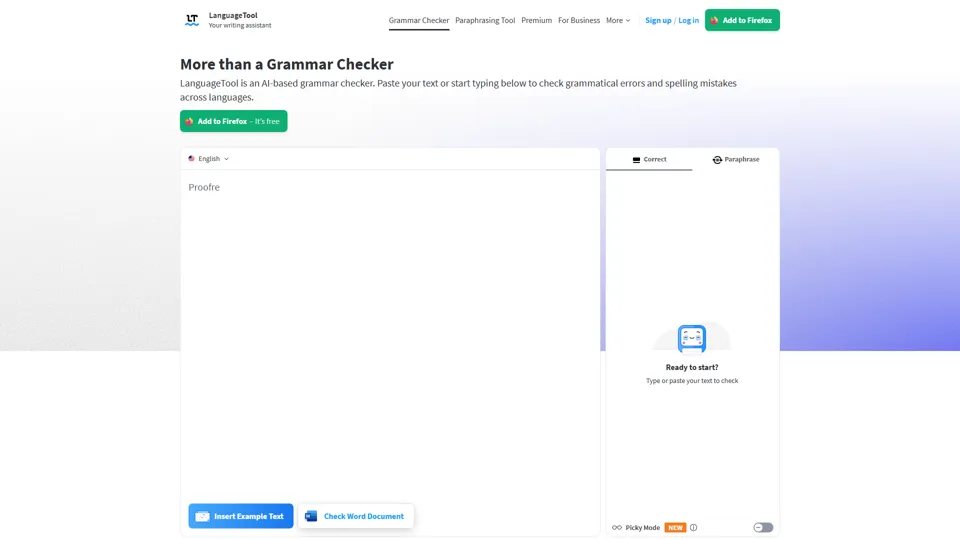
Free AI Grammar Checker - LanguageTool
LanguageTool is an AI-powered grammar and writing assistant that helps users check grammar, spelling, punctuation, and style across more than 30 languages, mainly for students, professionals, and multilingual teams. It helps writing-heavy roles communicate more clearly and edit faster at scale.
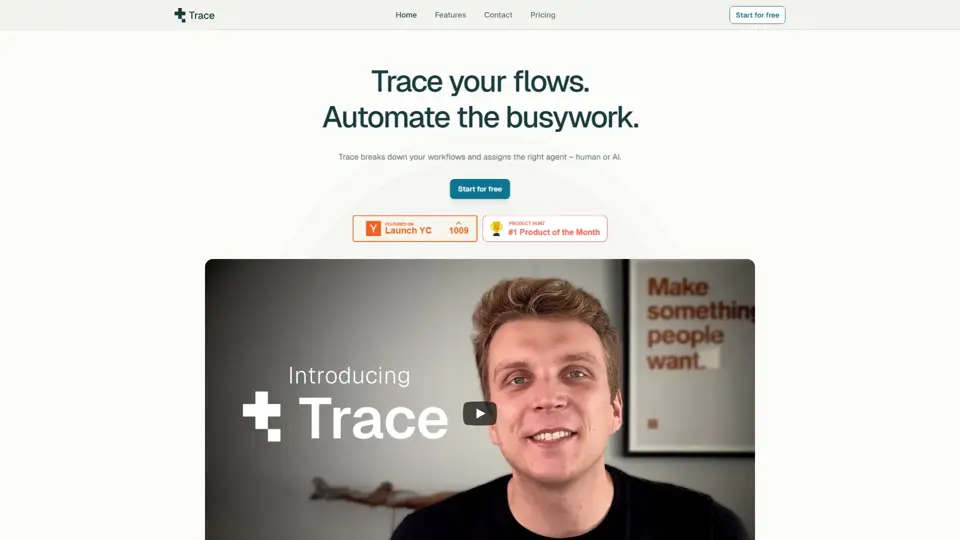
Trace
Trace is a software tool designed to support digital workflows, likely focused on helping teams organize, monitor, or analyze work more effectively. In the AI era, tools that centralize operational visibility help technical and business roles make faster decisions with less manual follow-up.
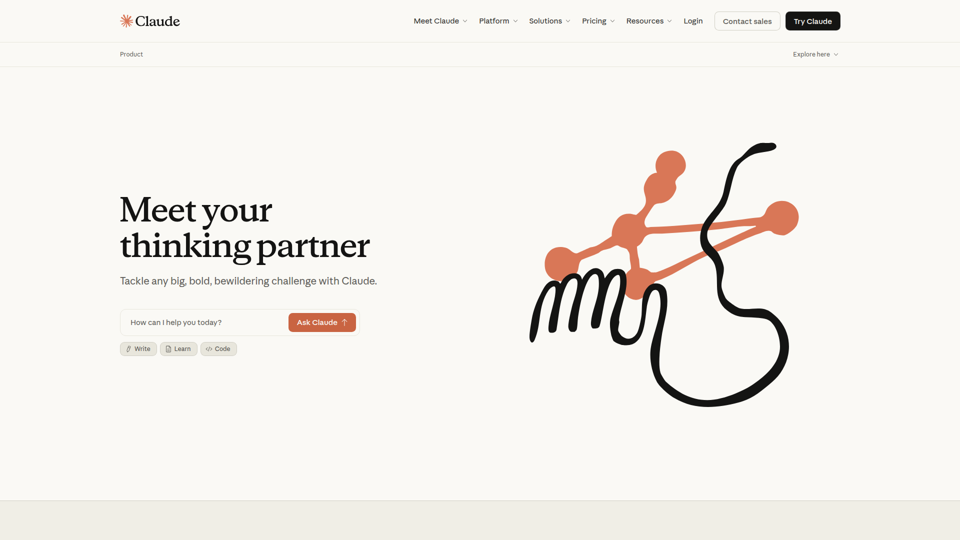
The AI for Problem Solvers | Claude by Anthropic
Claude by Anthropic is an AI assistant for problem solvers that helps users tackle complex work such as writing, coding, data analysis, research, and organizing tasks, mainly for professionals, developers, and teams handling difficult projects. In AI-enabled workflows, it can help knowledge workers and software teams move faster from analysis to execution while keeping people in control of approvals and file access.