
Industry Leading, Open-Source AI | Llama
Rate this Tool
Average Score
Total Votes
Select your score (1-10):
Detail Information
What
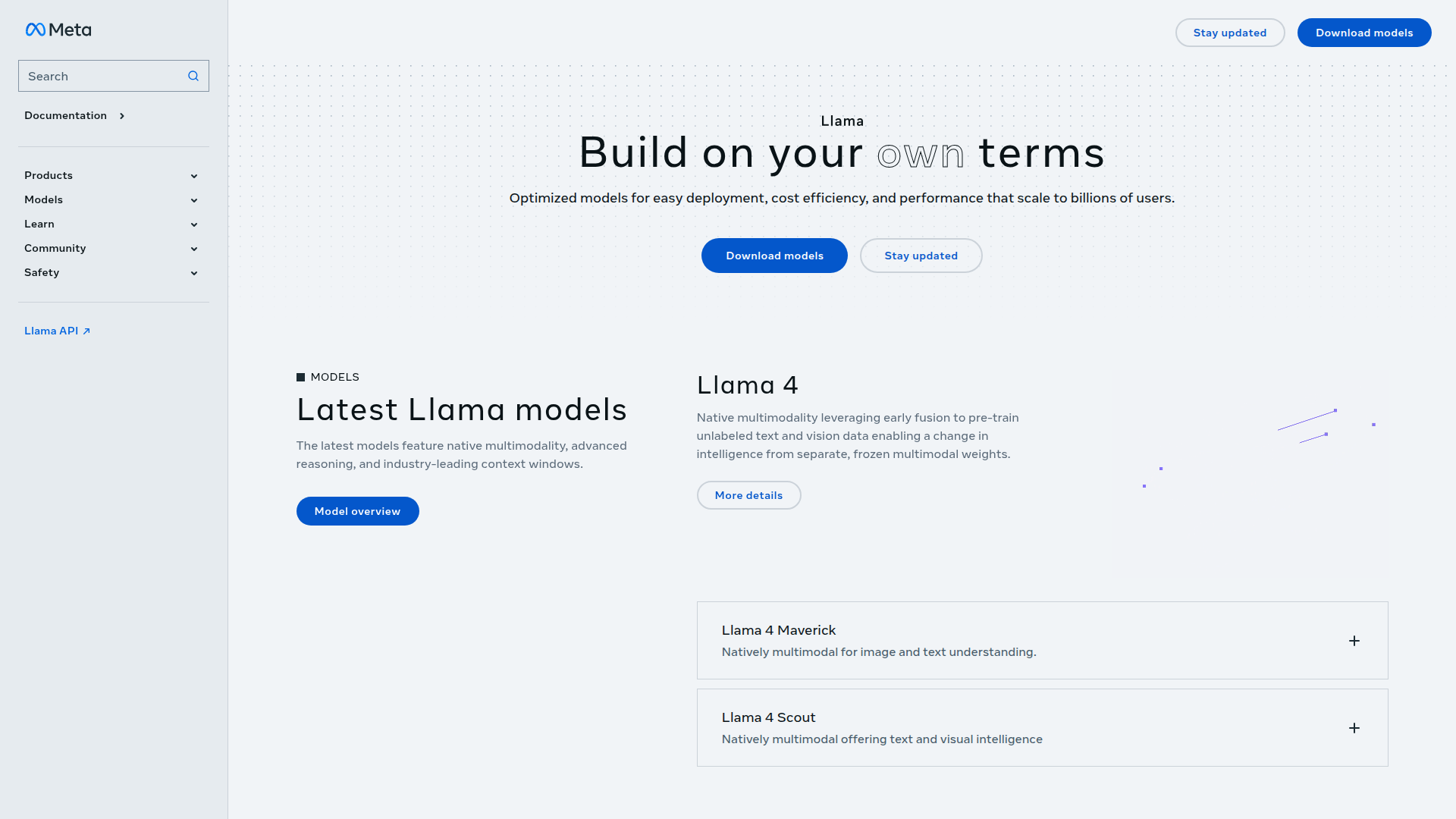
Llama is Meta’s open-source AI model family and developer platform for building, fine-tuning, and deploying large language and multimodal models. It is aimed at developers, AI teams, and organizations that want control over deployment, model choice, and optimization across text, image, and long-context use cases.
The product appears positioned as an open, flexible alternative for teams that want to build on their own terms rather than rely only on closed hosted models. The core workflow includes selecting a model family and size, adapting it through prompt engineering or fine-tuning, optimizing it with techniques such as quantization or distillation, and deploying it for tasks like summarization, coding, multilingual agents, document analysis, or multimodal applications.
Features
- Multiple model families and sizes: Llama 3 and Llama 4 provide a range of model sizes and capability profiles, helping teams match cost, performance, and deployment constraints to specific workloads.
- Native multimodality in Llama 4: Llama 4 models are designed to understand text and images together, which supports use cases such as visual reasoning, image-grounded analysis, and multimodal assistants.
- Long-context processing: Llama 4 Maverick and Scout advertise 10M-token context windows, making them suitable for long-form work such as large document analysis, memory-heavy workflows, and personalization scenarios.
- Flexible deployment model: The site emphasizes that models can be downloaded and deployed “on your own terms,” which is valuable for teams that need architectural control and portability.
- Model adaptation and optimization tools: Documentation covers prompt engineering, fine-tuning, quantization, distillation, vision capabilities, and evaluations, giving teams a practical path to improve performance for specialized use cases.
- Safety and protection resources: Llama Protections and related developer guidance indicate that Meta provides system-level safety resources, though the page does not fully specify enforcement mechanisms or deployment guarantees.
Helpful Tips
- Choose the model by workflow, not just by size: Long-context document analysis, multimodal reasoning, edge deployment, and synthetic data generation each map to different Llama variants.
- Validate benchmark relevance before committing: The page provides benchmark results, but teams should test against their own tasks because published evaluations may not reflect production data or workflows.
- Plan optimization early: If infrastructure efficiency matters, assess quantization, distillation, and model sizing at the start rather than after application logic is built.
- Use native multimodality only where it adds clear value: Multimodal models can improve image-and-text workflows, but text-only applications may be better served by simpler and potentially lower-cost configurations.
- Review safety guidance as part of implementation: The product includes protection resources, but teams should still define their own testing, monitoring, and risk controls for real-world deployment.
OpenClaw Skills
Llama could likely serve as a core reasoning and content-generation layer inside the OpenClaw ecosystem. Likely OpenClaw skills around it could include document summarization agents, multilingual knowledge assistants, coding copilots, image-and-text analysis workflows, and prompt-optimization pipelines that help teams route tasks to the right Llama model based on complexity, modality, and latency needs.
For industries such as support, commerce, research, and internal knowledge operations, OpenClaw could likely orchestrate Llama-based agents across retrieval, summarization, classification, and multimodal review workflows. If combined with OpenClaw governance, evaluation, and automation skills, this could shift teams from single-purpose chat interfaces toward managed AI work systems where specialized agents process long documents, interpret visual inputs, and support human decision-making at scale; this is a likely use case rather than a confirmed native integration from the page.
Embed Code
Share this AI tool on your website or blog by copying and pasting the code below. The embedded widget will automatically update with the latest information.
<iframe src="https://www.aimyflow.com/ai/llama-meta-com/embed" width="100%" height="400" frameborder="0"></iframe>
Explore Similar Tools

Free AI Photo Editor: Edit & Generate Image Online | Pokecut
Pokecut is an AI photo editor that helps users remove backgrounds, enhance images, and generate visuals online, mainly for ecommerce sellers, marketers, and creators who need quick design-ready assets. It speeds up routine image production so visual teams can create polished content with less manual editing.
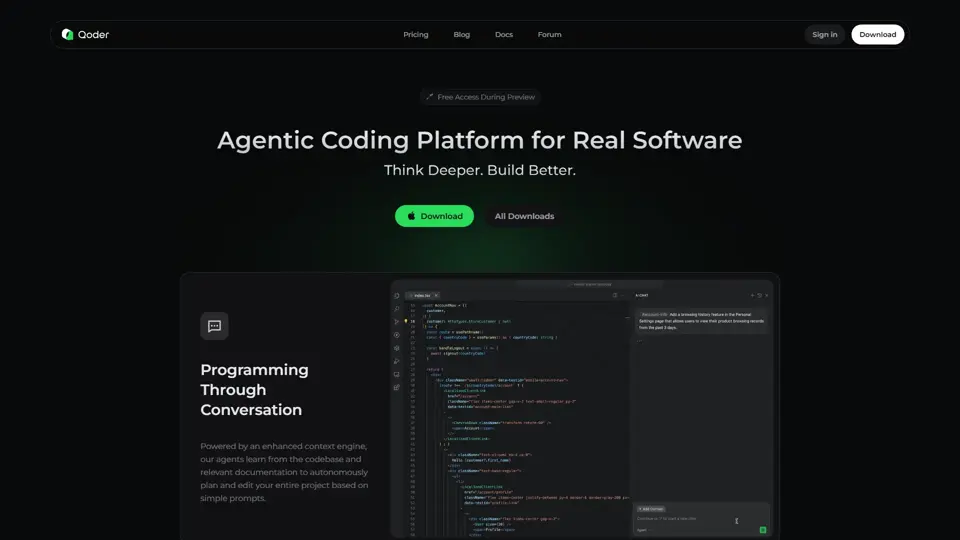
Qoder - The Agentic Coding Platform
Qoder is an agentic coding platform that helps developers understand codebases and execute software tasks with AI agents, mainly for professional software engineers and development teams. It improves engineering throughput by combining strong code context with advanced models for more reliable task completion.

Seedance 2.0
Seedance 2.0 is ByteDance's AI video generation model designed to create high-quality videos from prompts and multimodal inputs, mainly for creators, developers, and media teams. In the AI era, it helps visual content roles turn ideas into production-ready motion assets with far less manual editing effort.
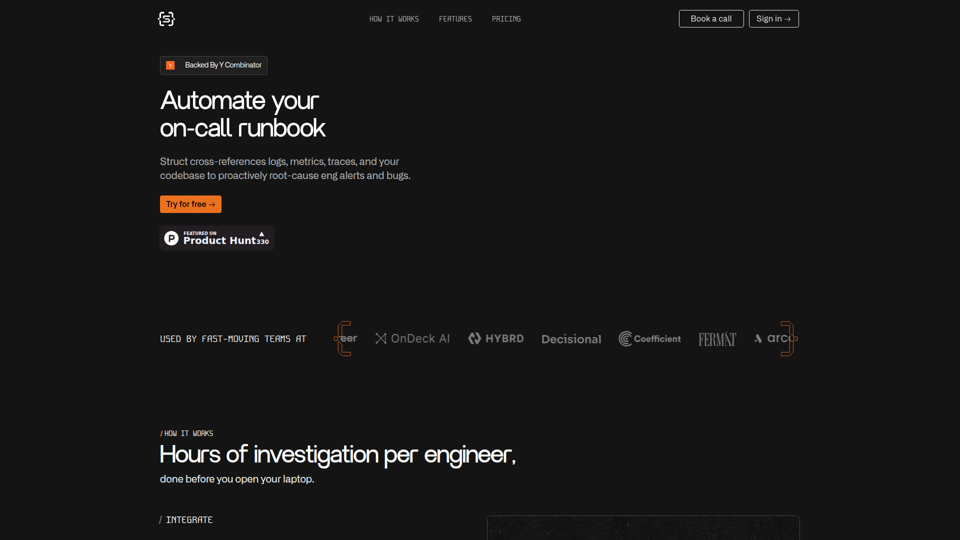
Struct | Automate your on-call runbook
Struct is an AI on-call agent that investigates engineering alerts and bugs by analyzing logs, metrics, traces, and codebases, mainly for software engineers and SRE teams. In the AI era, it helps incident responders shorten triage time by delivering root-cause findings and suggested fixes directly in workflows.
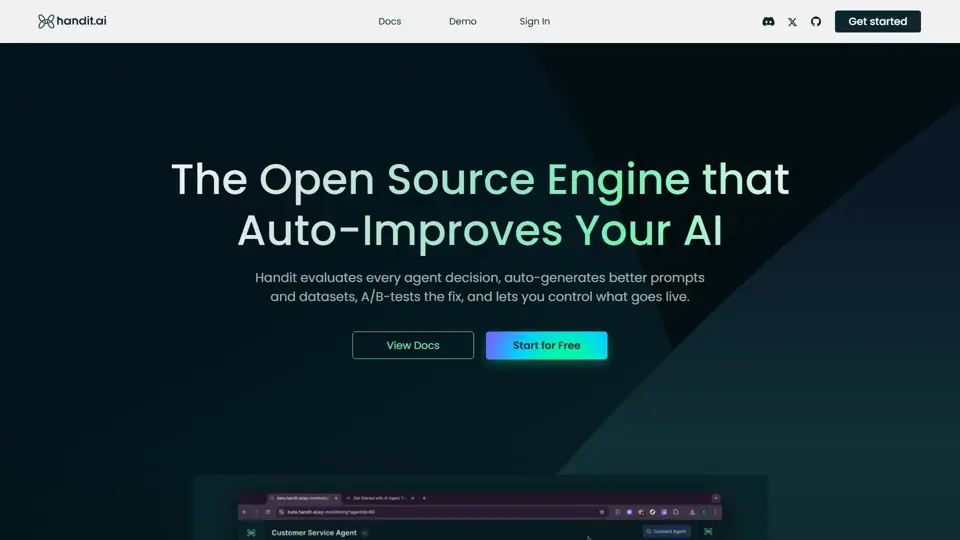
Handit.ai — The Open Source Engine that Auto-Improves Your AI Agents
Handit.ai is an open-source optimization engine that evaluates AI agent decisions, generates improved prompts and datasets, and A/B tests changes for teams building and operating AI agents. It helps AI engineers and product teams improve agent quality faster while keeping tighter control over production behavior.
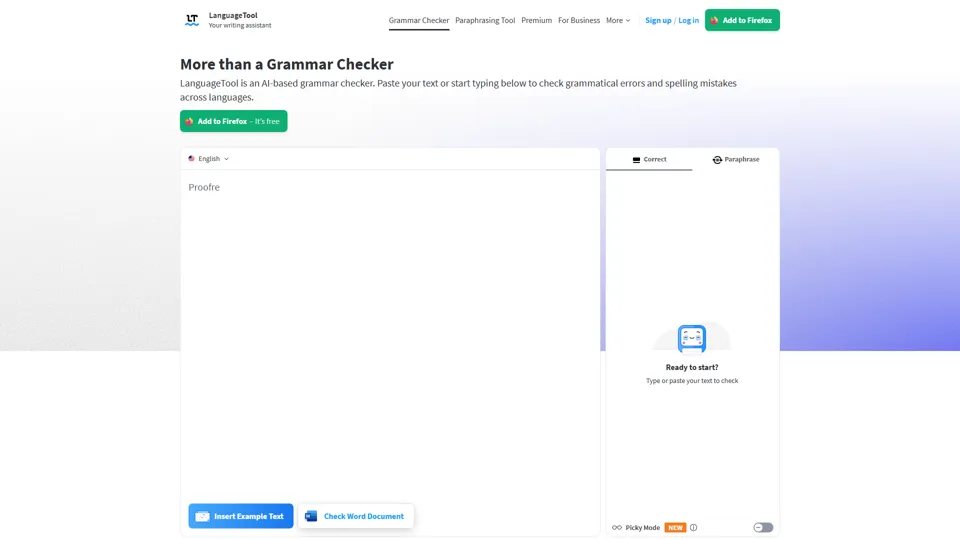
Free AI Grammar Checker - LanguageTool
LanguageTool is an AI-powered grammar and writing assistant that helps users check grammar, spelling, punctuation, and style across more than 30 languages, mainly for students, professionals, and multilingual teams. It helps writing-heavy roles communicate more clearly and edit faster at scale.
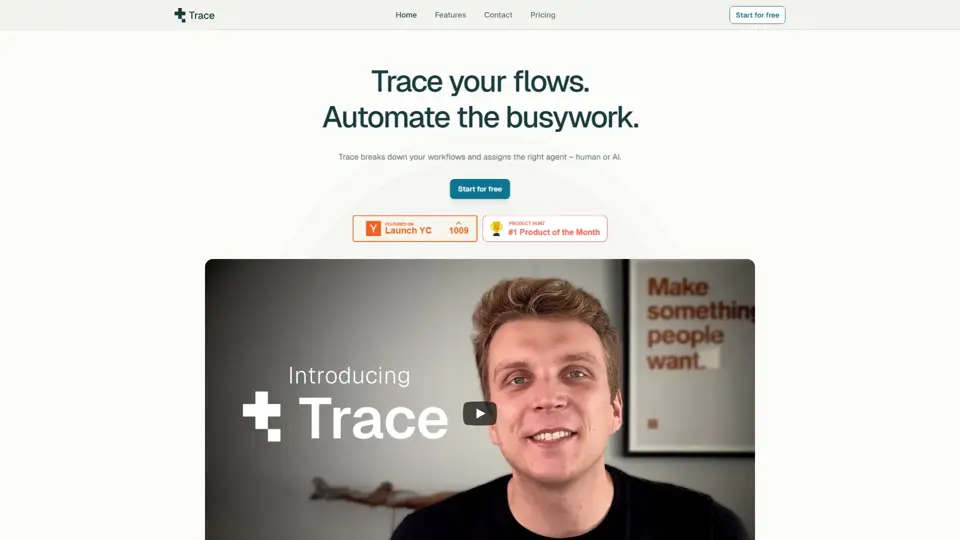
Trace
Trace is a software tool designed to support digital workflows, likely focused on helping teams organize, monitor, or analyze work more effectively. In the AI era, tools that centralize operational visibility help technical and business roles make faster decisions with less manual follow-up.
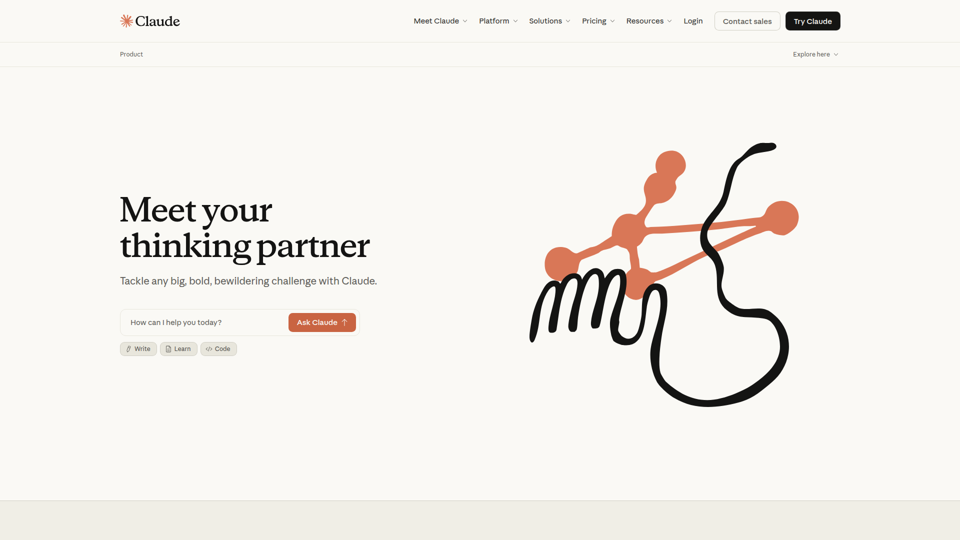
The AI for Problem Solvers | Claude by Anthropic
Claude by Anthropic is an AI assistant for problem solvers that helps users tackle complex work such as writing, coding, data analysis, research, and organizing tasks, mainly for professionals, developers, and teams handling difficult projects. In AI-enabled workflows, it can help knowledge workers and software teams move faster from analysis to execution while keeping people in control of approvals and file access.