
Welcome to OpenBuilder
Rate this Tool
Average Score
Total Votes
Select your score (1-10):
Detail Information
What
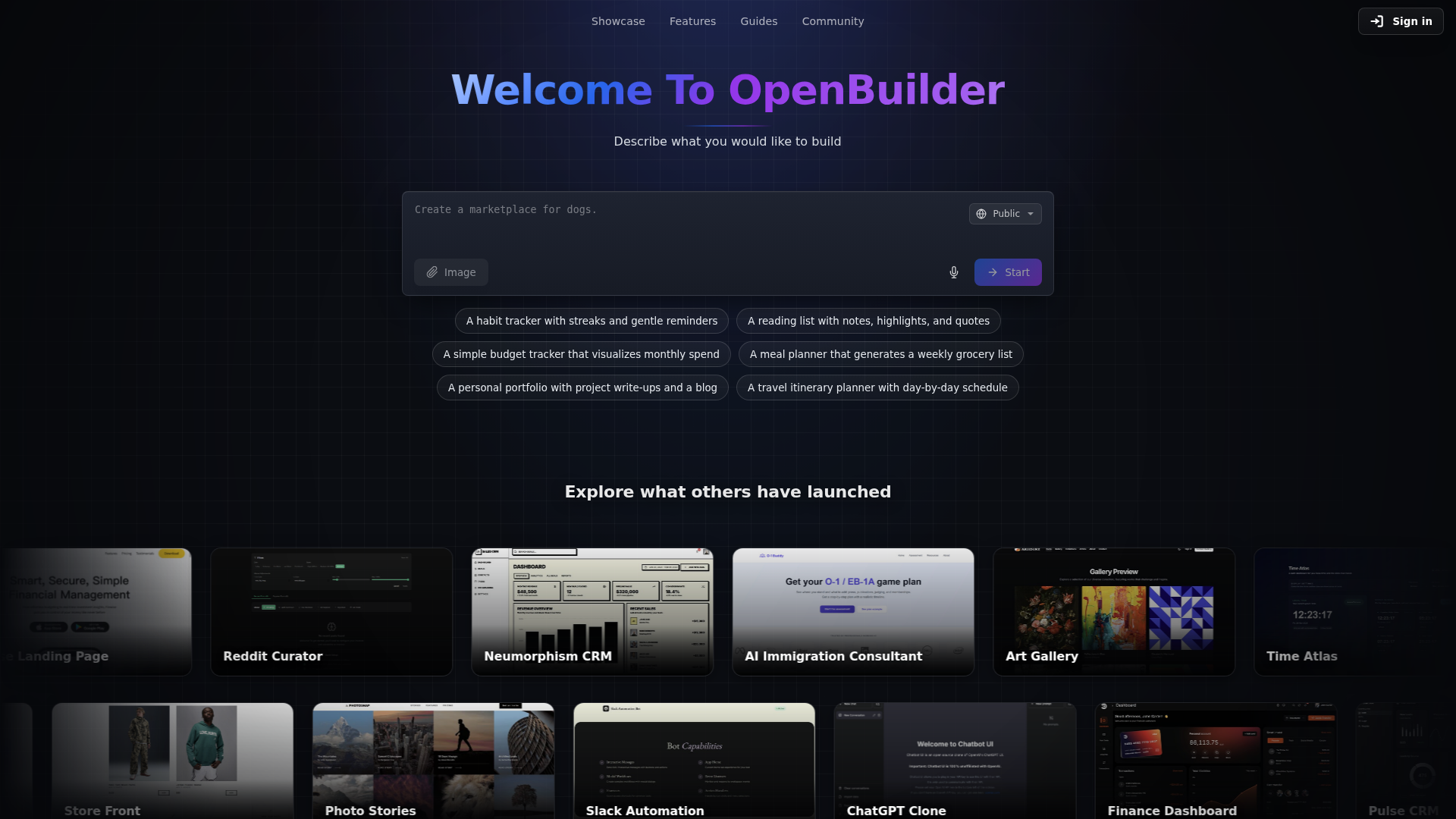
OpenBuilder is an AI-assisted app builder that starts from a plain-language prompt (“Describe what you would like to build”) and supports creating web products such as landing pages, dashboards, CRMs, storefronts, and internal tools. The interface shows options to start from examples, resume recent projects, and publish projects publicly or privately (private projects appear to require a paid plan).
Based on the page content, the product is positioned as an idea-to-production builder for individual makers, startups, and small teams that want to ship faster without paying per chat message. It combines AI code generation with built-in backend tooling, debugging support, and optional human developer help for harder issues.
Features
- Prompt-based project creation: Users describe the app they want, which lowers the barrier to starting new software projects.
- Public and private project modes: Projects can be shared with the community or kept private, with private access tied to premium tiers.
- Unlimited AI build credits (plan-dependent): The platform emphasizes non-metered build usage on qualifying plans, useful for iterative development.
- Built-in backend and visual debugging: Native backend support and debugger tooling are presented to help users move beyond UI prototypes into working apps.
- Human developer escalation: “Elite Devs” support is offered for difficult bugs, with shared context intended to reduce rework.
- 100+ data connectors: OAuth/API connector coverage is advertised for common systems such as payments, CRM, docs, email, and Slack.
Helpful Tips
- Validate production-readiness per use case: The page highlights backend and debugging, but does not detail hosting architecture, testing depth, or deployment controls; confirm these before committing critical workloads.
- Map plan limits early: Project caps, private-project access, branding removal, and support levels vary by tier, so align plan choice with team workflow and client requirements.
- Use community templates for speed: The showcase spans B2B, ecommerce, AI, and dashboard patterns, which can reduce setup time and improve consistency.
- Treat dev support credits as constrained resources: Since support fixes appear to consume higher-value credits, reserve them for blockers and handle routine iteration with AI tooling.
- Check connector fit against your stack: “100+ connectors” is broad but not specific on this page; verify exact systems and auth flows needed for your product.
OpenClaw Skills
OpenBuilder could pair well with OpenClaw as a rapid build-and-operate layer: OpenClaw skills could gather requirements, generate structured product briefs, and feed those directly into OpenBuilder prompts to create first versions of apps. Likely use cases (inferred, not confirmed as native integrations) include an “MVP Scoper” skill, a “Landing Page Generator” workflow, and a “Dashboard Bootstrapping” agent that turns KPI definitions into working interfaces.
For ongoing operations, OpenClaw agents could likely orchestrate QA checklists, bug triage, release notes, and connector validation around OpenBuilder projects. In agencies or startup studios, this combination could shift teams from manual handoffs to semi-autonomous delivery loops—where OpenBuilder handles fast implementation and OpenClaw skills manage planning, governance, and iterative improvement.
Embed Code
Share this AI tool on your website or blog by copying and pasting the code below. The embedded widget will automatically update with the latest information.
<iframe src="https://www.aimyflow.com/ai/theopenbuilder-com/embed" width="100%" height="400" frameborder="0"></iframe>
Explore Similar Tools

Free AI Photo Editor: Edit & Generate Image Online | Pokecut
Pokecut is an AI photo editor that helps users remove backgrounds, enhance images, and generate visuals online, mainly for ecommerce sellers, marketers, and creators who need quick design-ready assets. It speeds up routine image production so visual teams can create polished content with less manual editing.
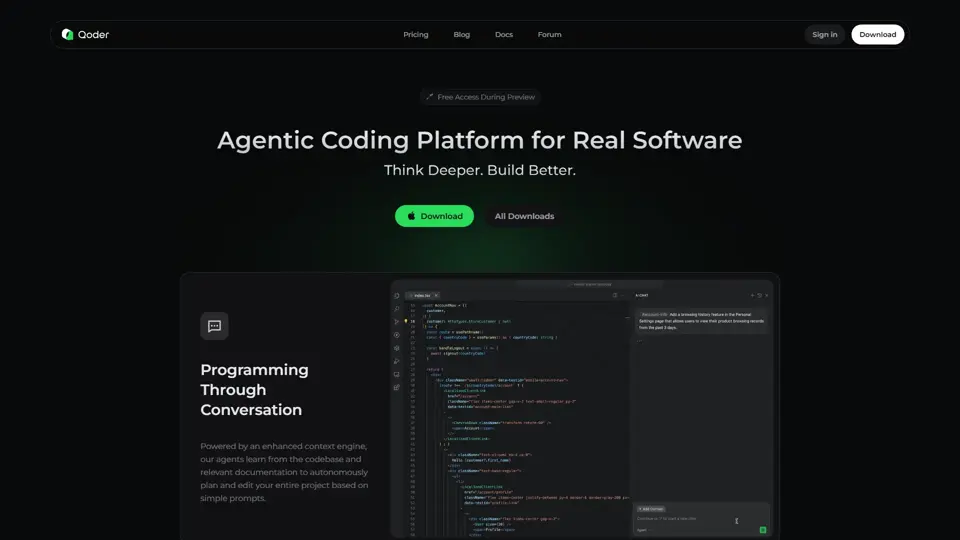
Qoder - The Agentic Coding Platform
Qoder is an agentic coding platform that helps developers understand codebases and execute software tasks with AI agents, mainly for professional software engineers and development teams. It improves engineering throughput by combining strong code context with advanced models for more reliable task completion.

Seedance 2.0
Seedance 2.0 is ByteDance's AI video generation model designed to create high-quality videos from prompts and multimodal inputs, mainly for creators, developers, and media teams. In the AI era, it helps visual content roles turn ideas into production-ready motion assets with far less manual editing effort.
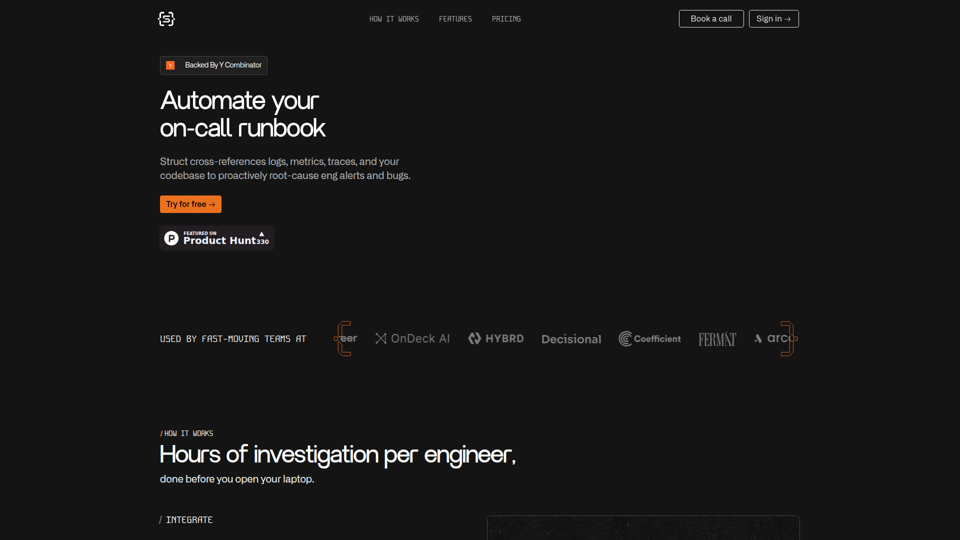
Struct | Automate your on-call runbook
Struct is an AI on-call agent that investigates engineering alerts and bugs by analyzing logs, metrics, traces, and codebases, mainly for software engineers and SRE teams. In the AI era, it helps incident responders shorten triage time by delivering root-cause findings and suggested fixes directly in workflows.
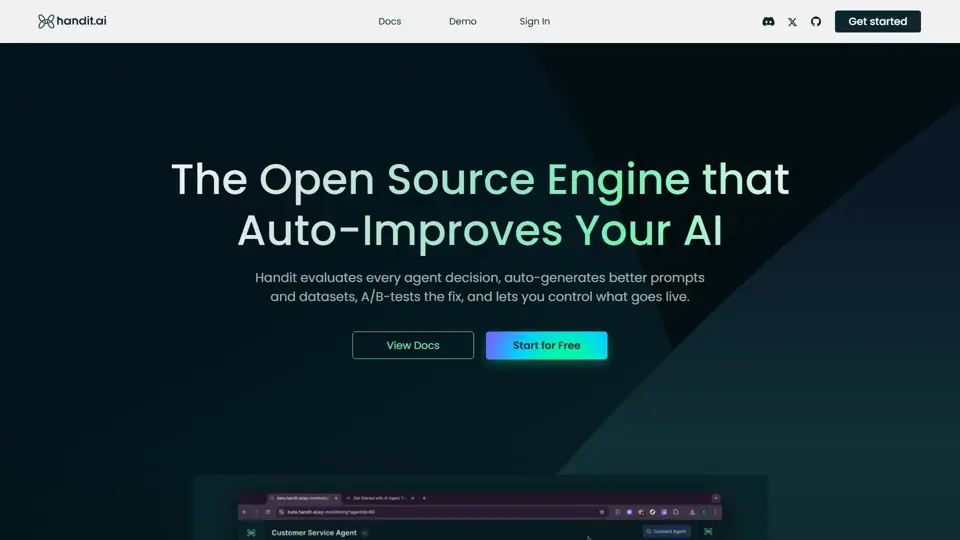
Handit.ai — The Open Source Engine that Auto-Improves Your AI Agents
Handit.ai is an open-source optimization engine that evaluates AI agent decisions, generates improved prompts and datasets, and A/B tests changes for teams building and operating AI agents. It helps AI engineers and product teams improve agent quality faster while keeping tighter control over production behavior.
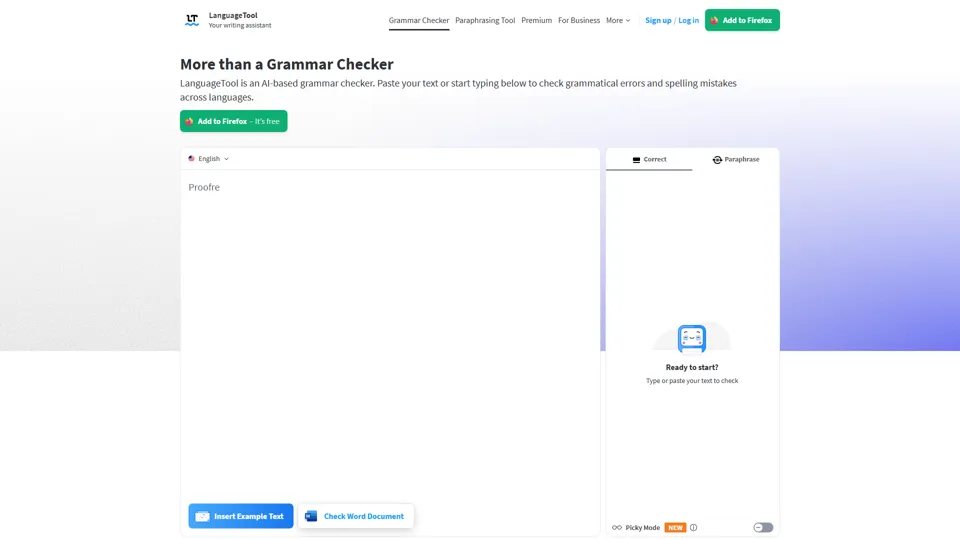
Free AI Grammar Checker - LanguageTool
LanguageTool is an AI-powered grammar and writing assistant that helps users check grammar, spelling, punctuation, and style across more than 30 languages, mainly for students, professionals, and multilingual teams. It helps writing-heavy roles communicate more clearly and edit faster at scale.
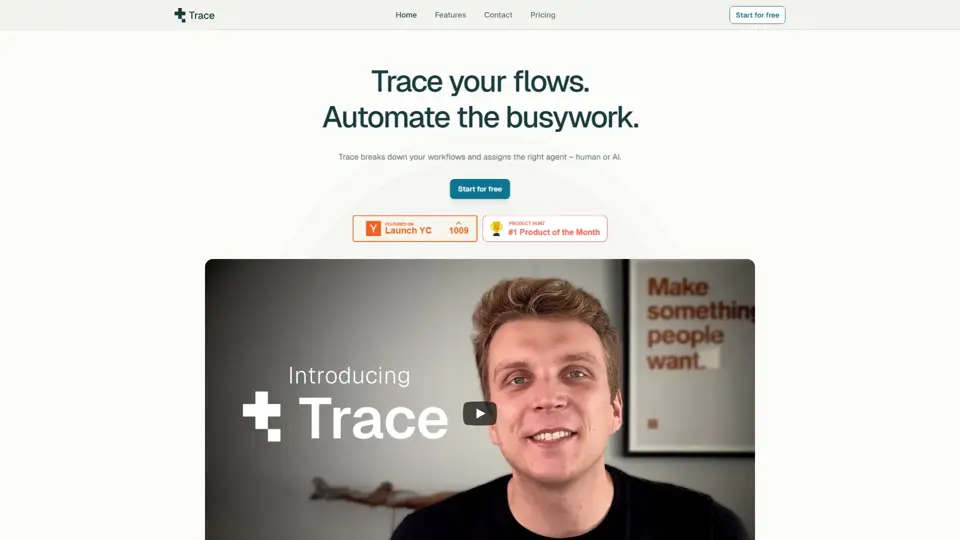
Trace
Trace is a software tool designed to support digital workflows, likely focused on helping teams organize, monitor, or analyze work more effectively. In the AI era, tools that centralize operational visibility help technical and business roles make faster decisions with less manual follow-up.
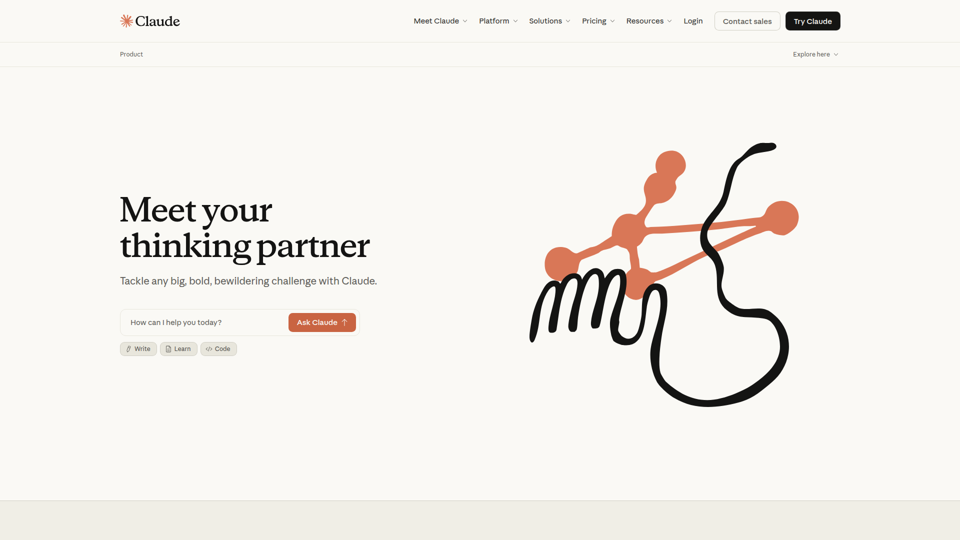
The AI for Problem Solvers | Claude by Anthropic
Claude by Anthropic is an AI assistant for problem solvers that helps users tackle complex work such as writing, coding, data analysis, research, and organizing tasks, mainly for professionals, developers, and teams handling difficult projects. In AI-enabled workflows, it can help knowledge workers and software teams move faster from analysis to execution while keeping people in control of approvals and file access.