
Insurance Eligibility Verification & Healthcare Automation | Fuse
Rate this Tool
Average Score
Total Votes
Select your score (1-10):
Detail Information
What
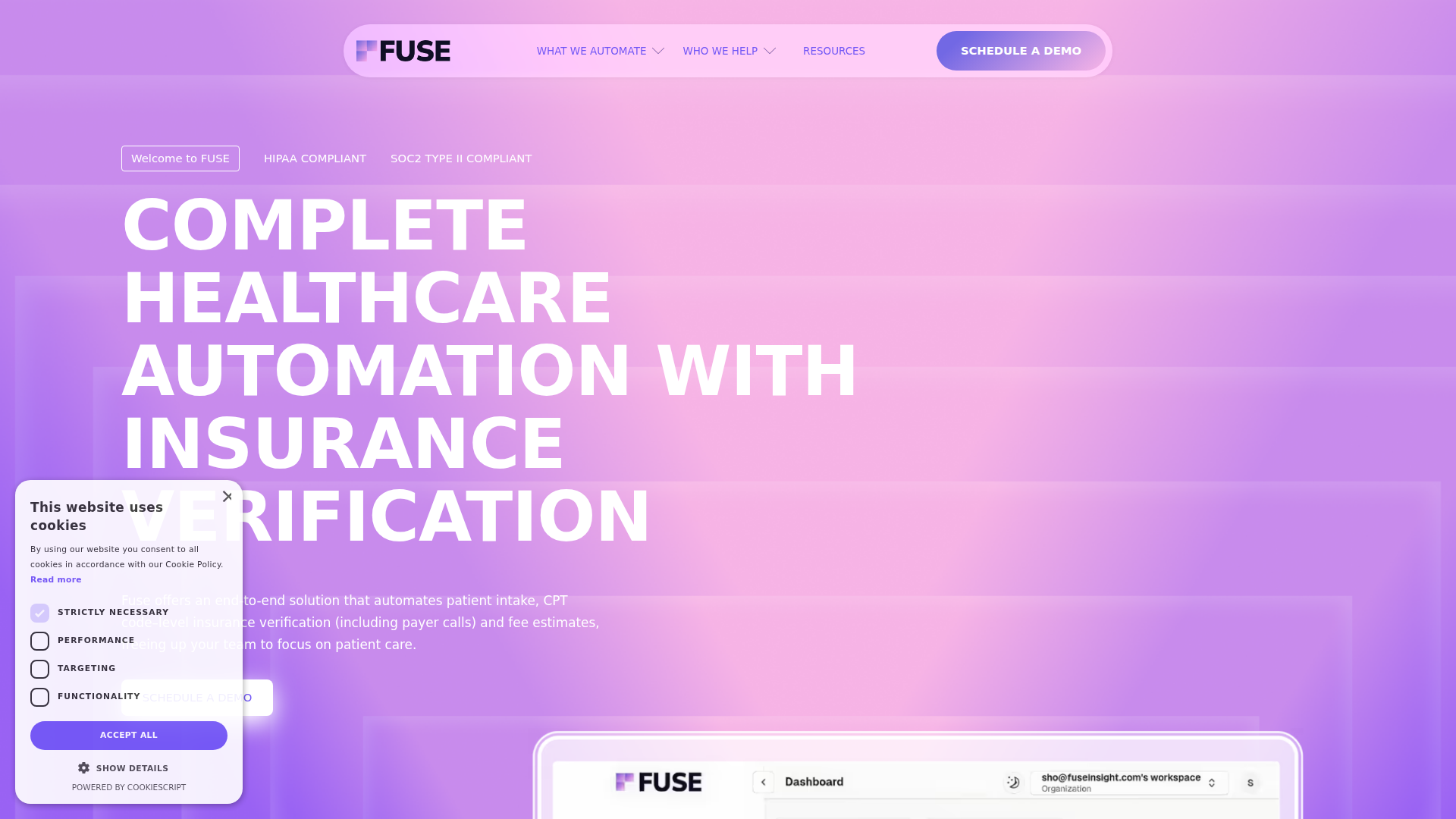
Fuse is a healthcare automation platform focused on patient intake, insurance eligibility verification, CPT code-level benefits checks, and patient cost estimates. It is designed for provider organizations that want to reduce administrative work tied to insurance verification and improve upfront financial clarity for patients.
The product appears positioned for medical practices and specialty providers such as behavioral health, women’s health, physical therapy, neurology, pain management, surgery centers, and primary care. Its core workflow is to fit into existing EHR-based processes, verify benefits through payer portals and payer calls, and return results to the patient record without requiring new software for staff to learn.
Features
- Digital patient intake: Captures insurance and payment card details, collects customizable HIPAA-compliant forms, and guides patients through registration in a structured flow.
- Automated insurance benefits verification: Checks payer portals and performs payer calls on behalf of staff to reduce manual verification work.
- CPT code-level eligibility verification: Confirms coverage for specific procedures before service delivery, helping teams identify benefits details and potential authorization issues earlier.
- Patient cost estimates and price transparency: Uses detailed payer benefit data to support more accurate upfront pricing and expected patient responsibility estimates.
- Works with existing EHR workflows: Fuse says teams can add it as a user in the EHR, after which results are written back as notes on patient accounts.
- Workflow customization during onboarding: The company states it learns current processes during onboarding and adapts the solution to minimize disruption and avoid requiring new software.
Helpful Tips
- Validate EHR fit early: Although Fuse says it works with most EHRs, buyers should confirm exactly how notes are written back, how scheduling data is accessed, and whether any edge cases require manual handling.
- Map high-volume verification scenarios first: The clearest value is likely in specialties with procedure-driven coverage checks and frequent payer follow-up, so implementation should prioritize those workflows.
- Review estimate accuracy assumptions: Patient cost estimates depend on payer data quality and benefit interpretation, so teams should establish internal review rules for complex plans or unusual CPT combinations.
- Assess operational ownership: Practice managers, billing leaders, and front-desk teams should align on when verification happens, how exceptions are escalated, and who acts on returned eligibility notes.
- Separate confirmed capabilities from roadmap items: The site mentions additional functionality is being built, so procurement decisions should focus on currently described intake, verification, and estimate workflows.
OpenClaw Skills
Within the OpenClaw ecosystem, Fuse could likely support healthcare operations agents built around intake completion, insurance verification follow-up, estimate review, and denial-prevention workflows. Based on the website, a practical OpenClaw skill could monitor scheduled visits, identify accounts missing benefits verification, summarize Fuse-generated eligibility notes, and route exceptions to billing or practice staff. This is a likely workflow concept rather than a confirmed native integration.
A broader OpenClaw layer could also turn Fuse outputs into operational intelligence for specialty clinics. For example, agents could likely categorize common payer delays, flag recurring CPT-level coverage gaps, prepare daily work queues for billing managers, or compare estimate readiness across locations. In healthcare administration, that combination could shift teams from manual status checking toward exception-based management, with staff spending more time on complex reimbursement decisions and patient communication rather than repetitive verification tasks.
Embed Code
Share this AI tool on your website or blog by copying and pasting the code below. The embedded widget will automatically update with the latest information.
<iframe src="https://www.aimyflow.com/ai/fuseinsight-com/embed" width="100%" height="400" frameborder="0"></iframe>
Explore Similar Tools
LunaBill | Automate Your AR Calls
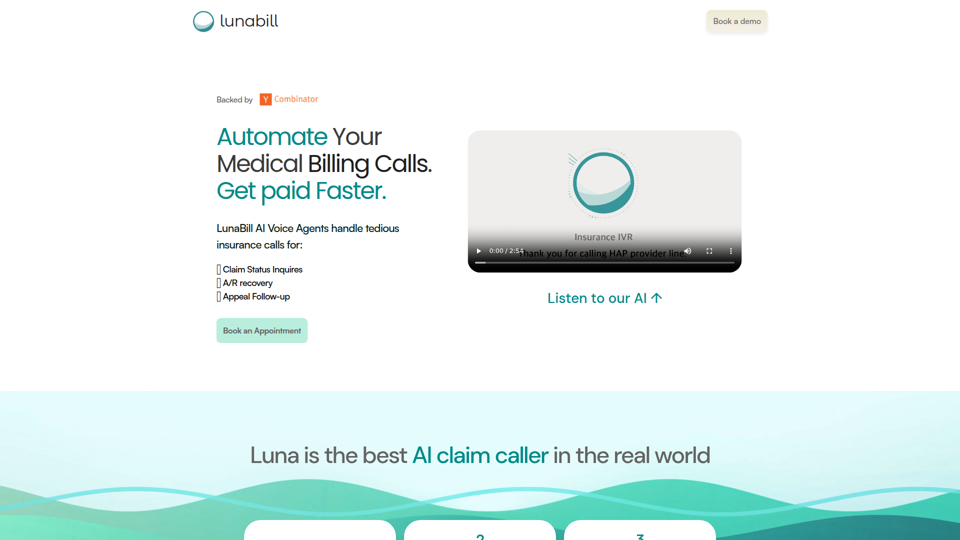
LunaBill is an AI voice agent platform that automates medical billing and accounts receivable calls, helping healthcare billing teams and practices check claim status, recover A/R, and follow up on appeals. For revenue cycle and medical billing staff, it can reduce manual insurer phone work by navigating IVRs, gathering denial details, and supporting faster claim reprocessing and escalation.
Toothy AI - AI-Powered Dental Insurance Verification & Billing
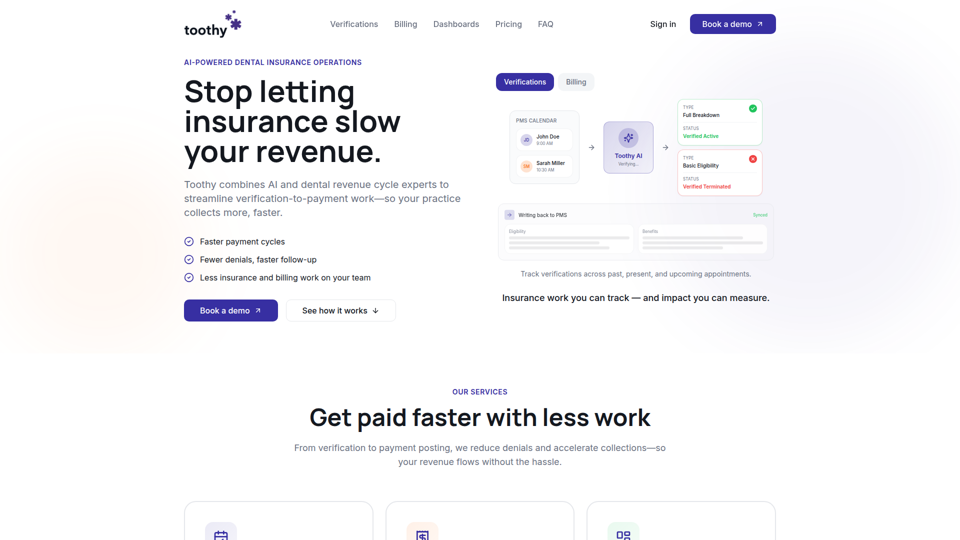
Toothy AI is an AI-powered dental insurance verification and billing platform that helps dental practices streamline work from eligibility checks to claims follow-up and payment posting, with support from dental revenue cycle professionals. For dental office managers, billers, and revenue cycle teams, it can reduce manual insurance tasks while improving visibility into denials, collections, and aging through dashboards and daily reporting.
Syntra - Chart & Charges Review
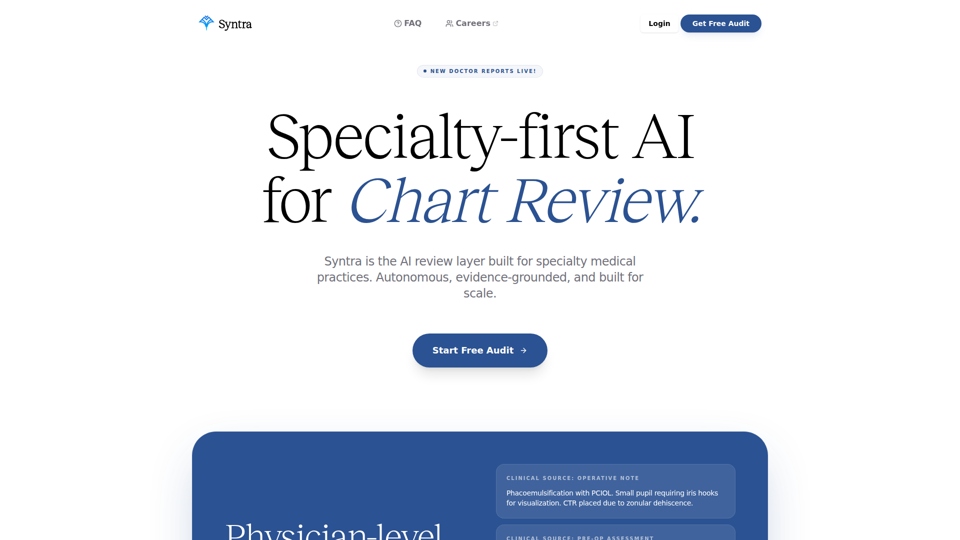
Syntra is an AI chart and charges review platform for specialty medical practices that helps coding, billing, and compliance teams identify coding errors, capture missed charges, and audit charts and claims across specialties such as ophthalmology, orthopedics, optometry, and dermatology. For medical coders and revenue cycle staff, its specialty-tuned, evidence-grounded review can improve billing accuracy and surface documentation-supported charge opportunities before claims are submitted.
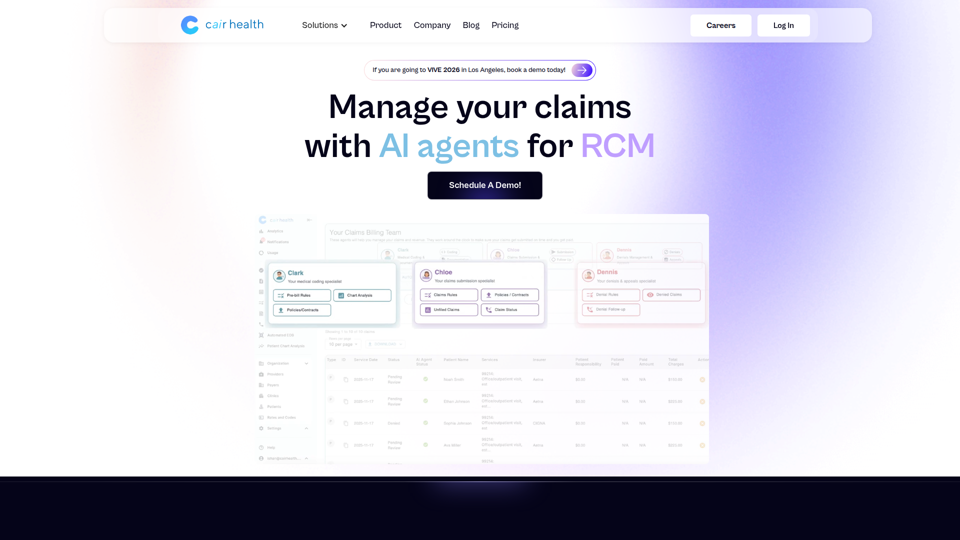
Cair Health
Cair Health is an AI revenue cycle management platform that helps healthcare billing teams automate coding, eligibility checks, claims submission, denials follow-up, payer phone calls, and EOB extraction. For revenue cycle, billing, and claims operations professionals, it can reduce manual claim handling and support faster, more consistent reimbursement workflows.
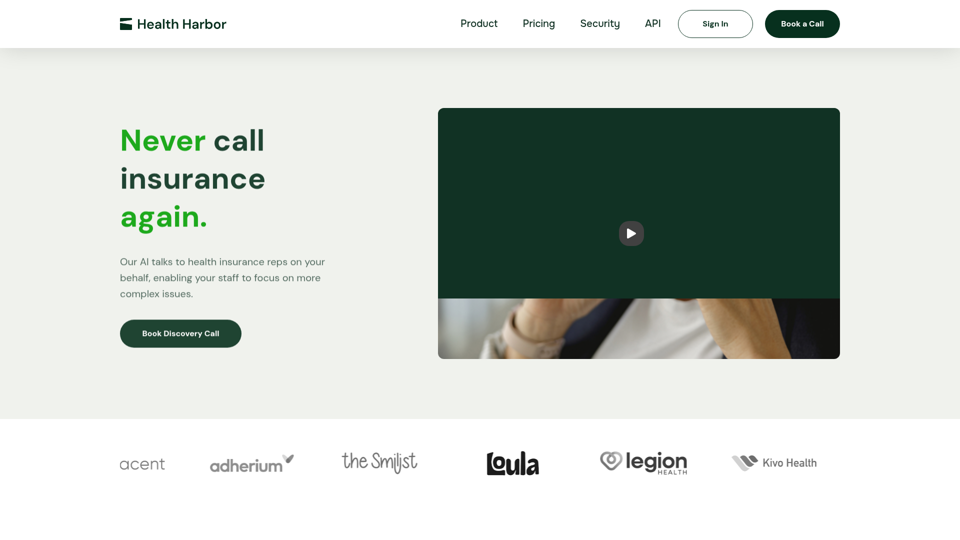
Home
Health Harbor is an AI tool that handles health insurance phone calls for benefit verifications, prior authorizations, and claim status follow-up, mainly for healthcare provider teams and revenue cycle staff. In AI-enabled operations, it can reduce time spent on IVR navigation and hold queues so billing, authorization, and clinical operations teams can focus on resolving complex coverage and payment issues.
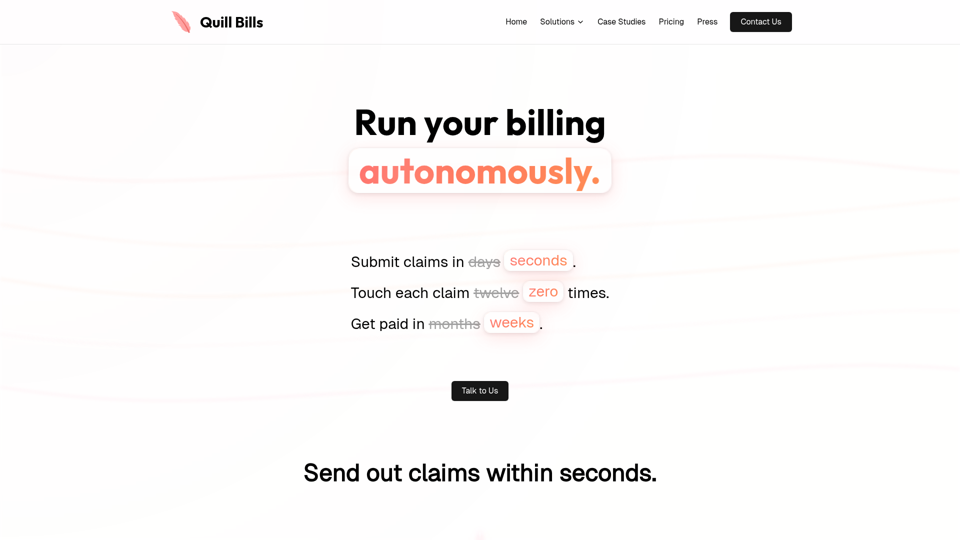
Quill Bills | Run your billing autonomously.
Quill Bills is an AI-native practice management and revenue cycle management system that automates medical billing tasks like coding, eligibility checks, claim submission, payment posting, patient billing, and insurer phone calls for independent healthcare practices. For billing teams, practice administrators, and revenue cycle staff, this can reduce manual claims work and help them focus on exceptions, denials, and cash flow oversight.
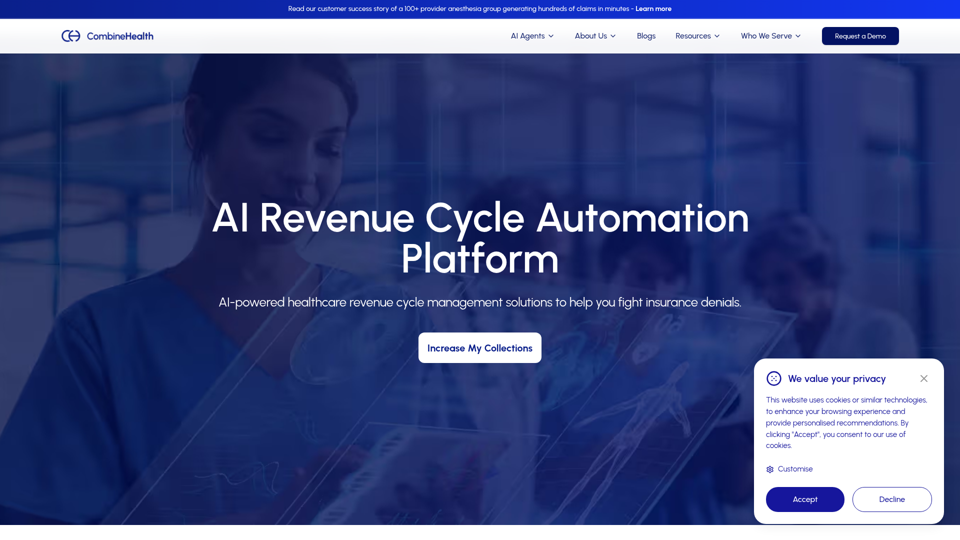
AI Medical Coding & Billing Software for Healthcare | CombineHealth
CombineHealth is an AI medical coding and billing platform that automates healthcare revenue cycle tasks such as coding, claims management, denial handling, documentation, and collections for healthcare revenue cycle teams and provider organizations. For medical coders, billers, and RCM leaders, it can improve accuracy and speed by applying payer-specific rules, real-time analytics, and explainable AI across the workflow.