1
Mechanical Design
Develops components and assemblies that meet functional, manufacturing, and service requirements.
Average AI replaceability score
3.6/ 5
1000 ratings

How do you think AI will affect this role?
Role Expertise
Rate how well AI can perform each role-specific skill. A score of 5 means AI can handle it extremely well. Each IP can submit one full rating every 24 hours.
Develops components and assemblies that meet functional, manufacturing, and service requirements.
Builds accurate 3D models and drawings with tolerances, fits, and production details.
Evaluates loads, stresses, motion, and thermal behavior to verify design performance.
Selects materials and finishes based on strength, wear, environment, cost, and manufacturability.
Plans tests, analyzes results, and resolves deviations before release to production.
Rate all five skills based on how well AI can do them.
Your ratings help show where AI is strongest and where humans still matter more.
Ready to explore an AI-optimized workflow for your role? Click to discover or generate one.

Anything is an AI app builder that helps users turn ideas into websites, apps, tools, and digital products by describing what they want, mainly for founders, makers, and non-technical builders. In the AI era, it lets product creators test and ship concepts faster with less engineering dependence.
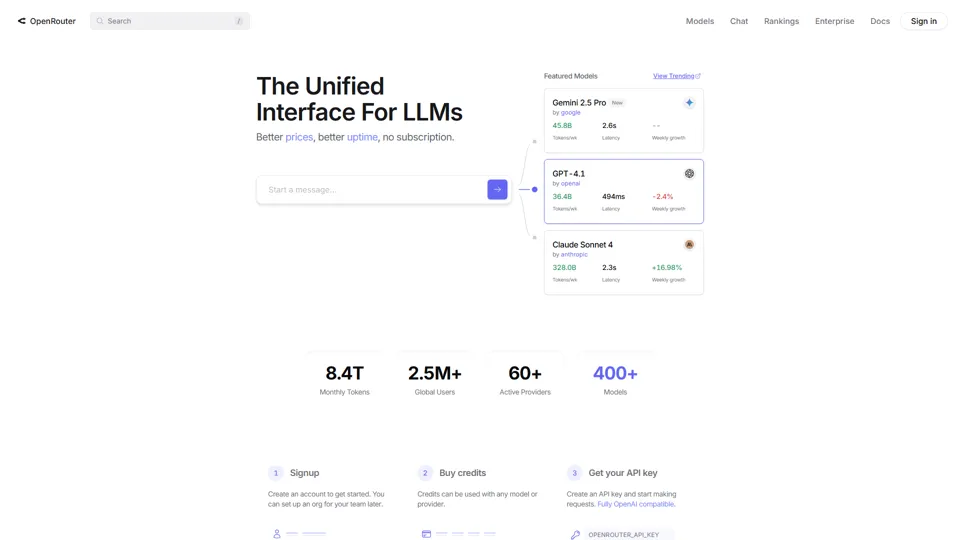
OpenRouter is a unified API and routing platform for large language models that helps developers access, compare, and use multiple models through one interface. It gives engineering and product teams more flexibility to optimize model choice for cost, performance, and reliability as needs change.

Bolt is an AI app builder that helps users turn prompts into working web applications quickly, mainly for founders, product teams, and developers prototyping new ideas. In the AI era, it compresses the path from concept to prototype so builders can validate products faster.
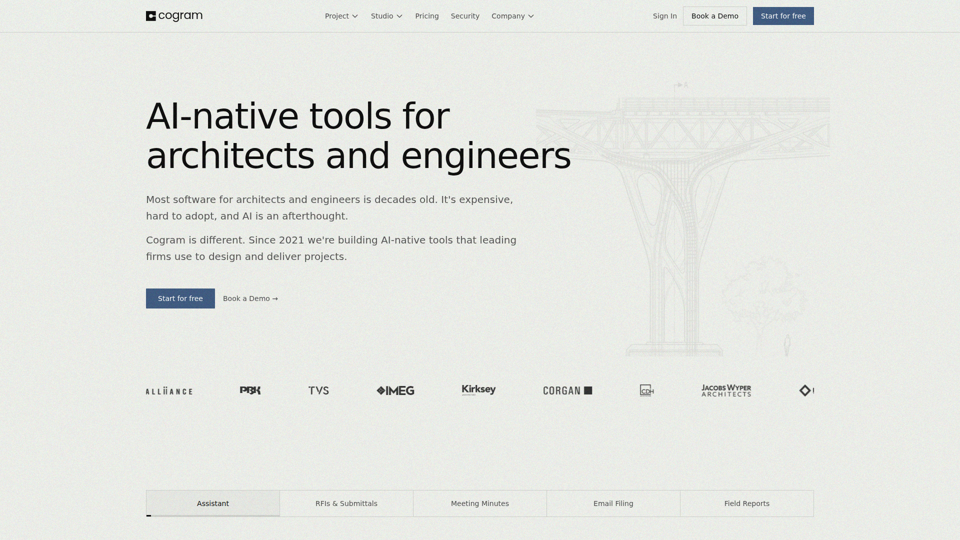
Cogram is an AI platform for architects, engineers, and other AEC professionals that helps teams streamline project documentation, collaboration, RFIs and submittals, meeting minutes, field reports, and email management. For architecture, engineering, and project delivery roles, it can reduce repetitive admin work and make project information easier to capture, search, and reuse across active jobs.
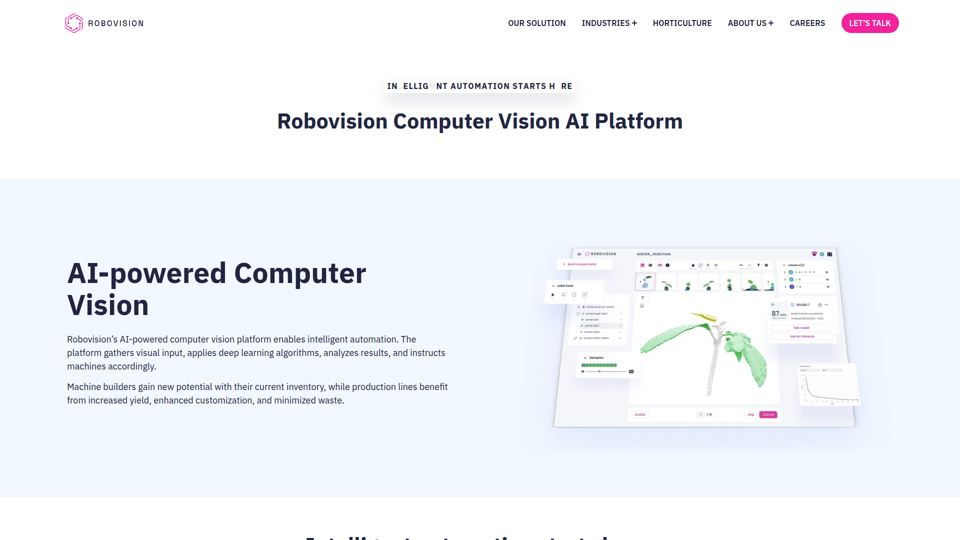
Robovision is an AI-powered computer vision platform that helps industrial teams build, test, optimize, and deploy vision models for intelligent automation, mainly for machine builders, manufacturers, and data scientists. In AI-driven production, it can reduce manual inspection work and let data scientists and operations teams focus more on improving models, quality control, and deployment speed.
Noetic is an AI-powered hardware compliance platform that helps hardware teams identify applicable regulations, draft technical documentation, and find suitable testing labs faster. For compliance, regulatory, and engineering functions, it can shorten the path from standards research to lab-ready documentation by keeping requirements, documents, and status updates in one place.
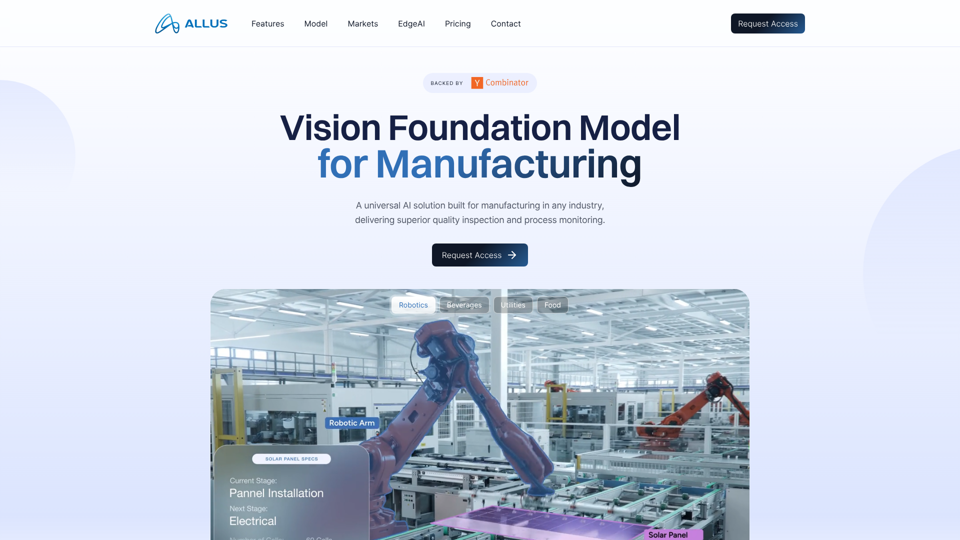
Allus AI is a vision foundation model and AI platform for manufacturing that helps teams build and deploy industrial inspection, quality assurance, anomaly detection, and process monitoring solutions, mainly for manufacturers and production operations teams. In AI-enabled factories, it can help quality engineers and manufacturing leaders reduce manual inspection work and act on real-time analytics from edge and cloud deployments.
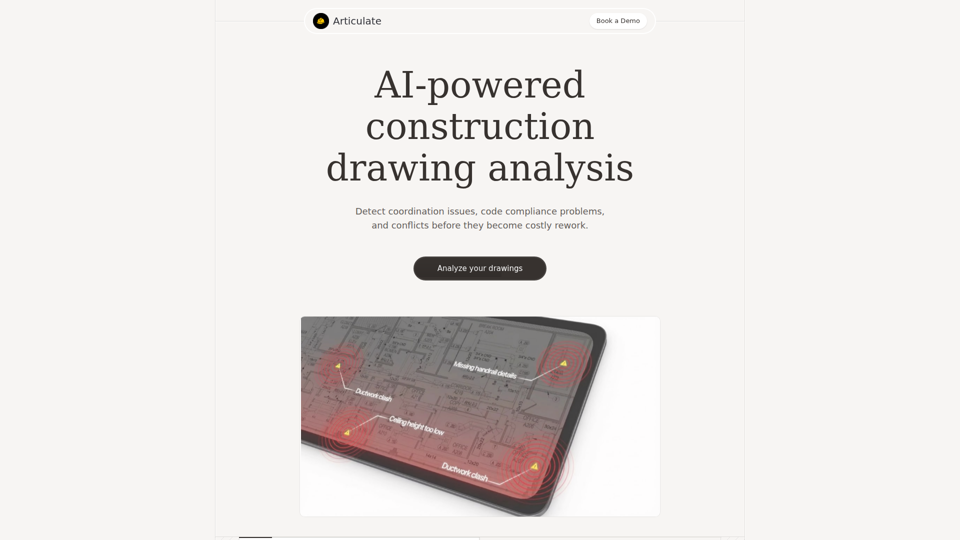
Articulate is an AI-powered construction drawing analysis platform that reviews 2D PDF plans to identify coordination conflicts, code compliance issues, and design errors for architects, engineers, general contractors, and other construction professionals. In AI-assisted preconstruction workflows, it can help design and project teams review drawings faster, prioritize issues by location and severity, and reduce RFIs and rework before work reaches the field.
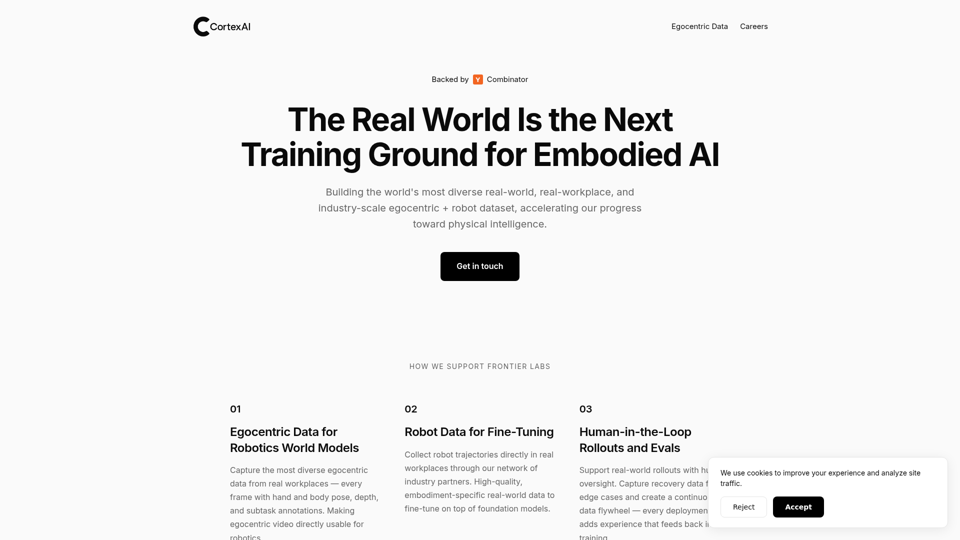
Cortex AI is a real-world data platform for embodied AI that helps frontier labs and robotics teams collect egocentric workplace video, robot trajectories, and human-in-the-loop rollout data for training and fine-tuning robotics models. For robotics engineers and AI researchers, this kind of real-workplace data can make world models and deployment evaluations more grounded in physical tasks and edge cases.
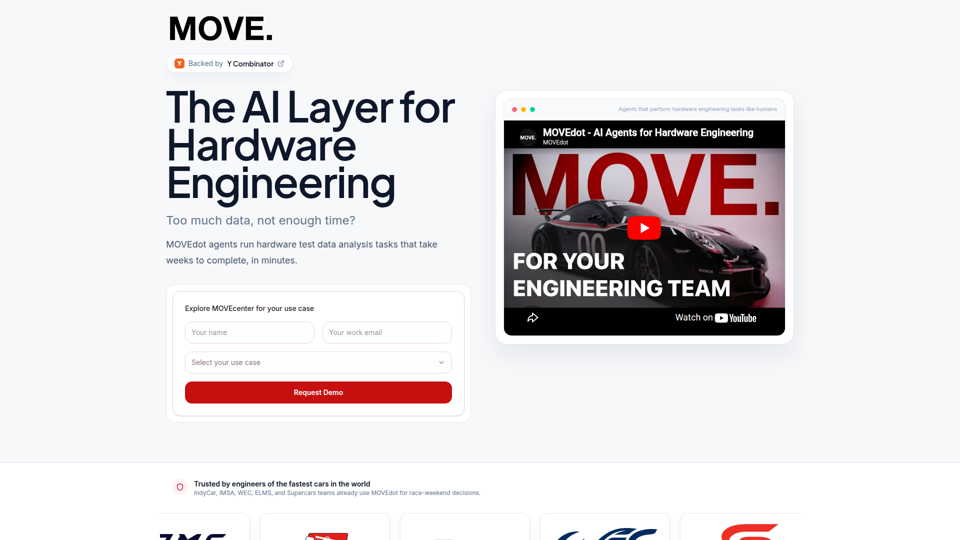
MOVE. is an AI agent platform for hardware engineering teams that analyzes hardware test data, surfaces anomalies and correlations, and turns raw telemetry, sensor logs, and related inputs into reports and answers faster. For hardware engineers, race engineers, and R&D teams, it can reduce manual data review so they can focus more on diagnosing issues, improving performance, and making engineering decisions.
Browse adjacent professions, overlapping workflows and related AI tool demand around Mechanical Engineer. These links help you compare how nearby roles are adopting AI.